Lobster Pot is a safety-first agent guardrail system for OpenClaw that forces all actions into a sandboxed environment "lobster trap" before execution, logs everything through Weave for auditing and evaluation "lobster pot", and uses recursive prompt refinement "keep cooking" to prevent unsafe or wasteful agent behavior over time. By analyzing traces with RLM-style long-context reasoning and iteratively patching prompts/policies within the session, Lobster Pot stops cost blowouts, prompt drift, and exposure risk while learning how you want tasks run. Only the hardened shells get released into the sea! Try it out: https://weavehack3-tsx7-6n7je5ot5-ryans-projects-a4a34d15.vercel.app/ https://youtu.be/Z25eVeUDY2E for better concept page
More from WeaveHacks 3: Self-Improving Agents Hackathon with Weights & Biases
Cloud platforms like AWS and GCP are powerful, but their interfaces can be complex and unintuitive - especially for new users. Our project makes navigating…



 +2
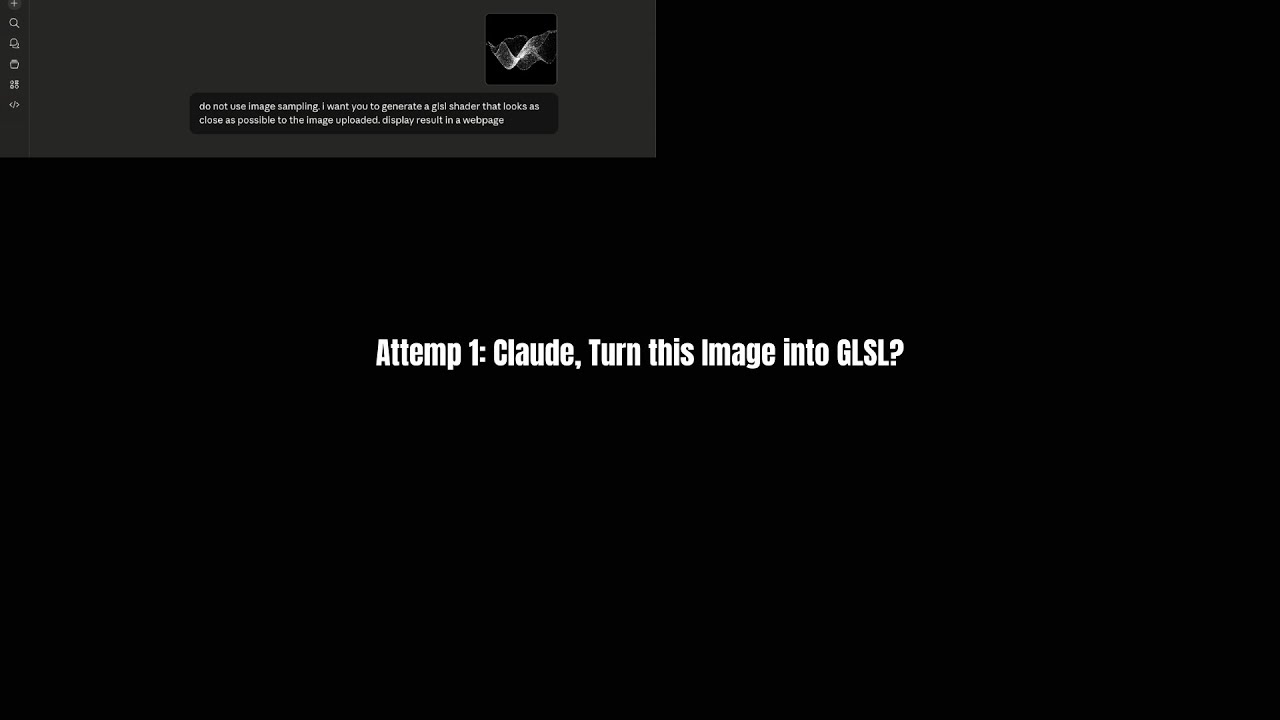
Turn image into GLSL fragment shader code through self-improving agentic loops. https://shader-38ceag7cg-jessies-projects-a62a485b.vercel.app

Chameleon of the Dungeons is an intelligent login security suite designed primarily for ethical hackers and penetration testers to simulate, analyze, and test…



 +1
Frontier LLMs are generalists trying to squeeze every benchmark. We showcase a deployed application of "Learning to Discover at Test Time" (Yuksekgonul et al…
www.canva.com/…


n live sports and real-time media, AI agents often fail because they are stateless, relying on static prompts that cannot be adjusted mid-broadcast when…
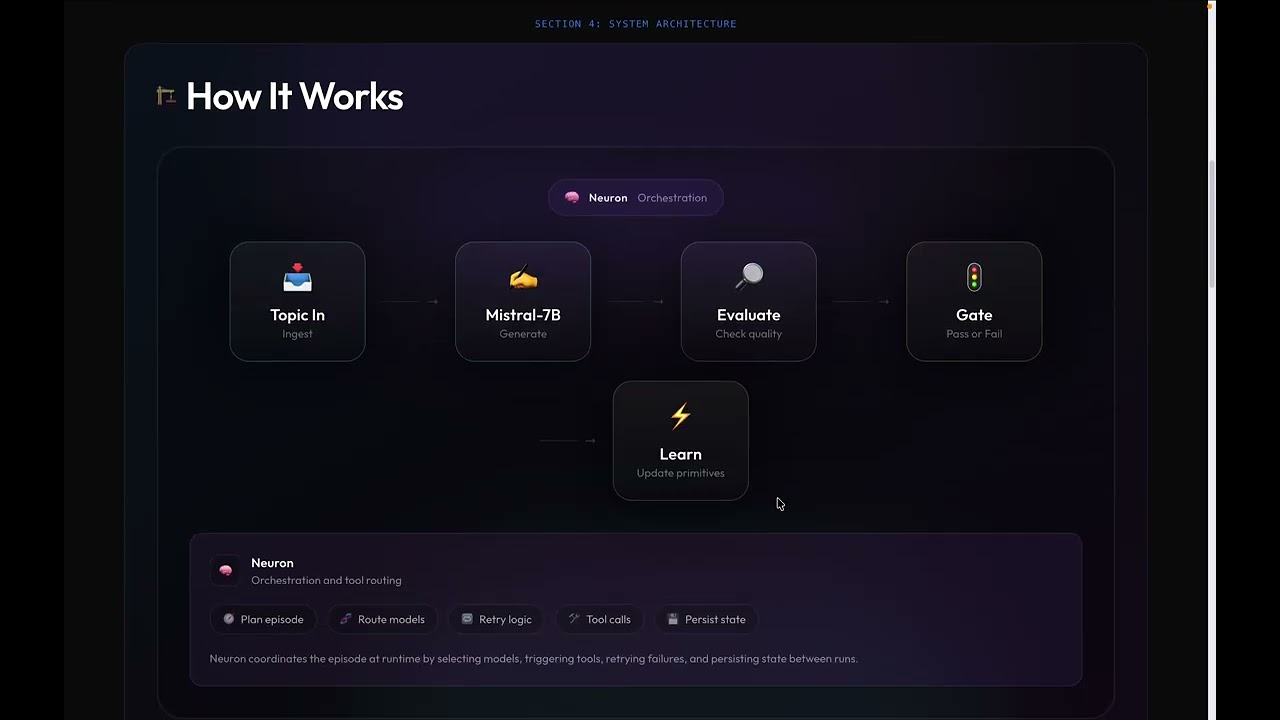
- Self-learning AI email agent that evolves with you over time - Discord-connected, Gmail-powered workflow - Builds a living relationship map from your…



 +1