Insurers deny medical claims over payer rules nobody writes down. We built a self-improving harness that learns those rules from the denials. A scrubber agent (Claude Sonnet) predicts whether each claim will be denied. A watcher agent (Claude Opus) reads the insurer’s denial codes and writes new executable rules. A code gate replays every proposed rule against all past outcomes and promotes it only if it fixes a real miss with zero regressions, so no model grades its own work. Rules are versioned in MongoDB Atlas, and the harness also merges its own rules into more general ones. On 22 held-out claims it never trained on, denials caught went from 5 of 11 to 10 of 11 (balanced accuracy 0.636 to 0.818) over 3 learning rounds. The gate rejected 10 of 26 proposed rules.


More from The Harness Engineering & Model Wrangling #SFTechWeek Hackathon
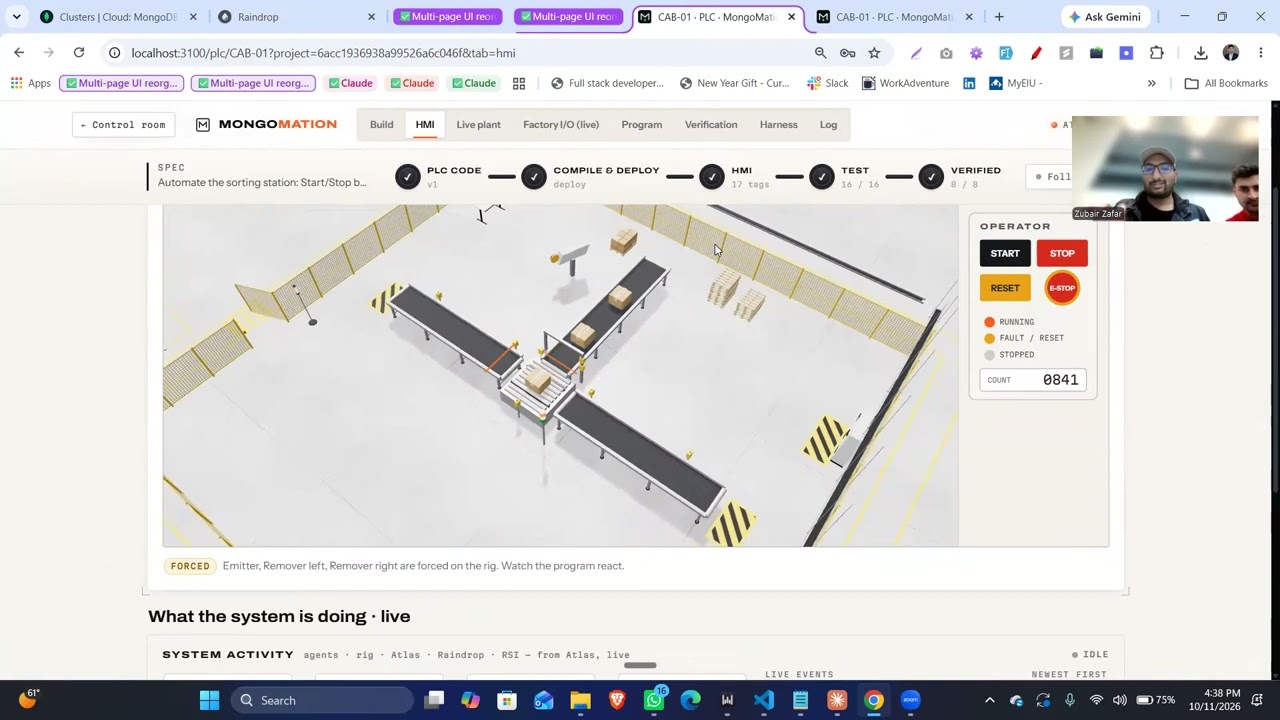
MongoMation is an autonomous PLC engineer. You describe a machine in plain English, and Claude agents write IEC 61131-3 PLC code, compile and deploy it to a…


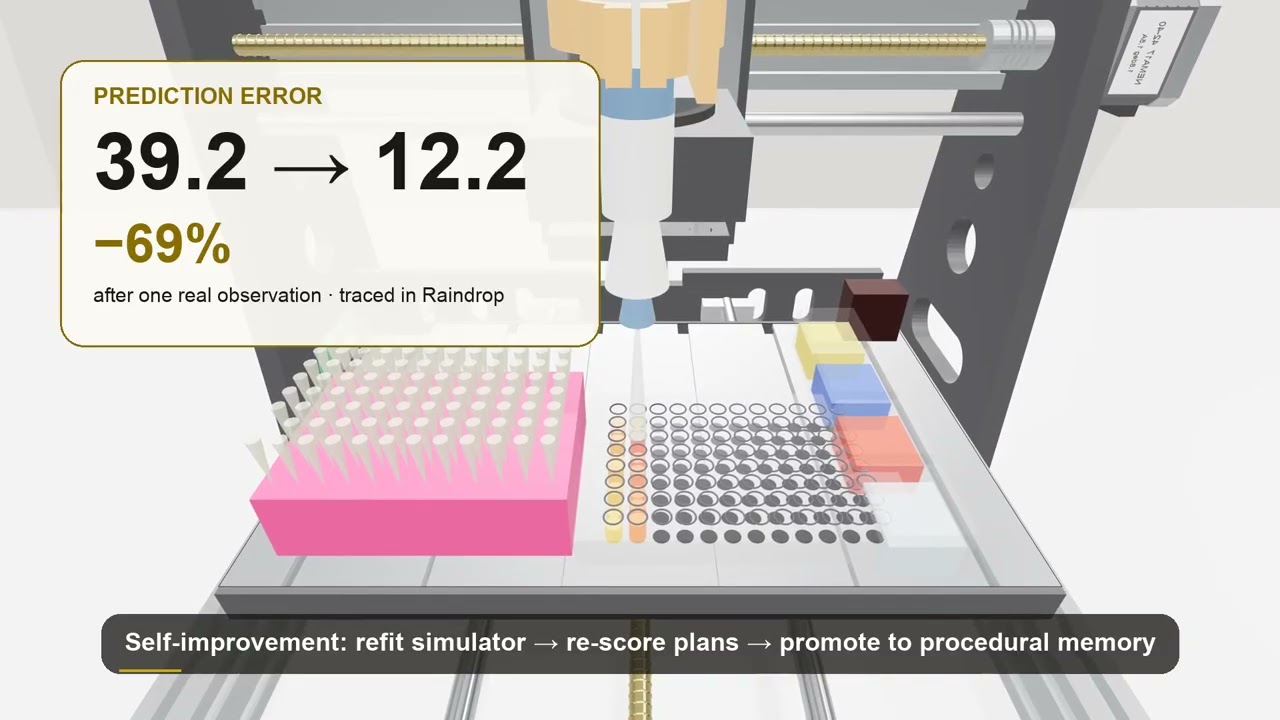
LabRat is a self-improving harness for a physical lab agent, running on a real bench: two SO-101 arms, a 3018 CNC carrying a servo pipette I designed during…
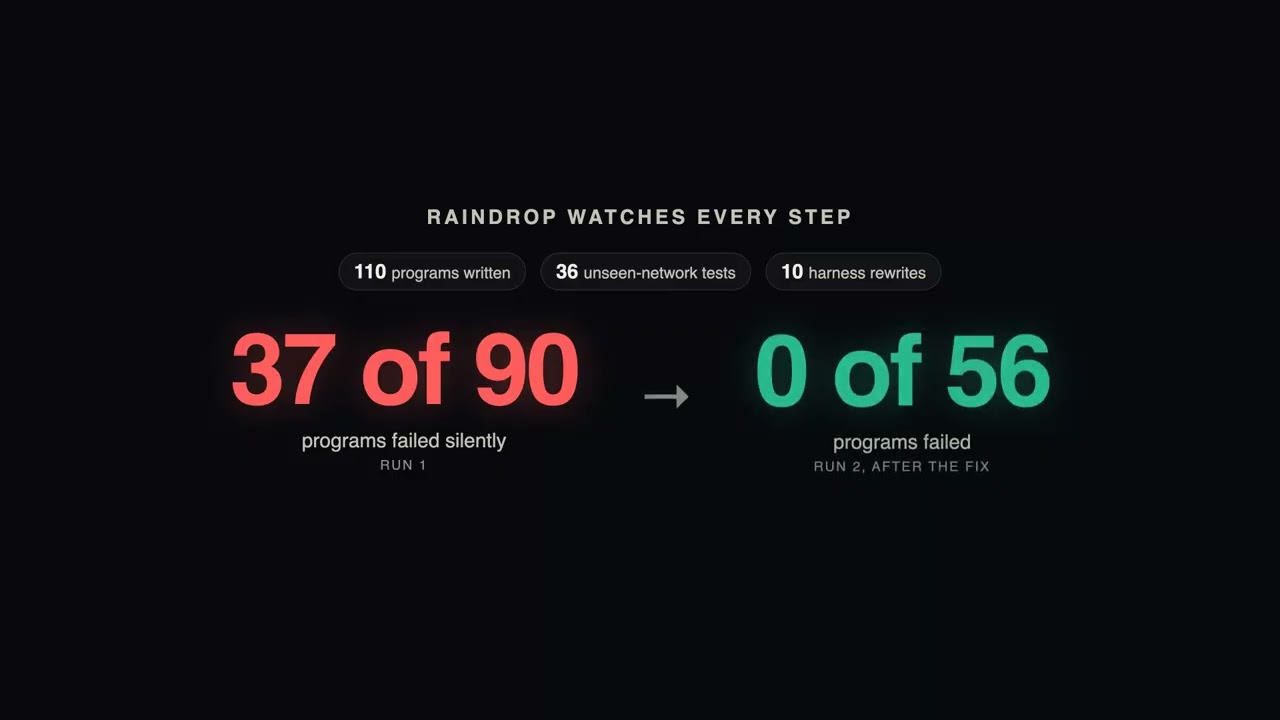
Recursive Harness Scientist: an AI scientist that improves its own scientific method, and must replicate every gain on data it has never seen. Why it…
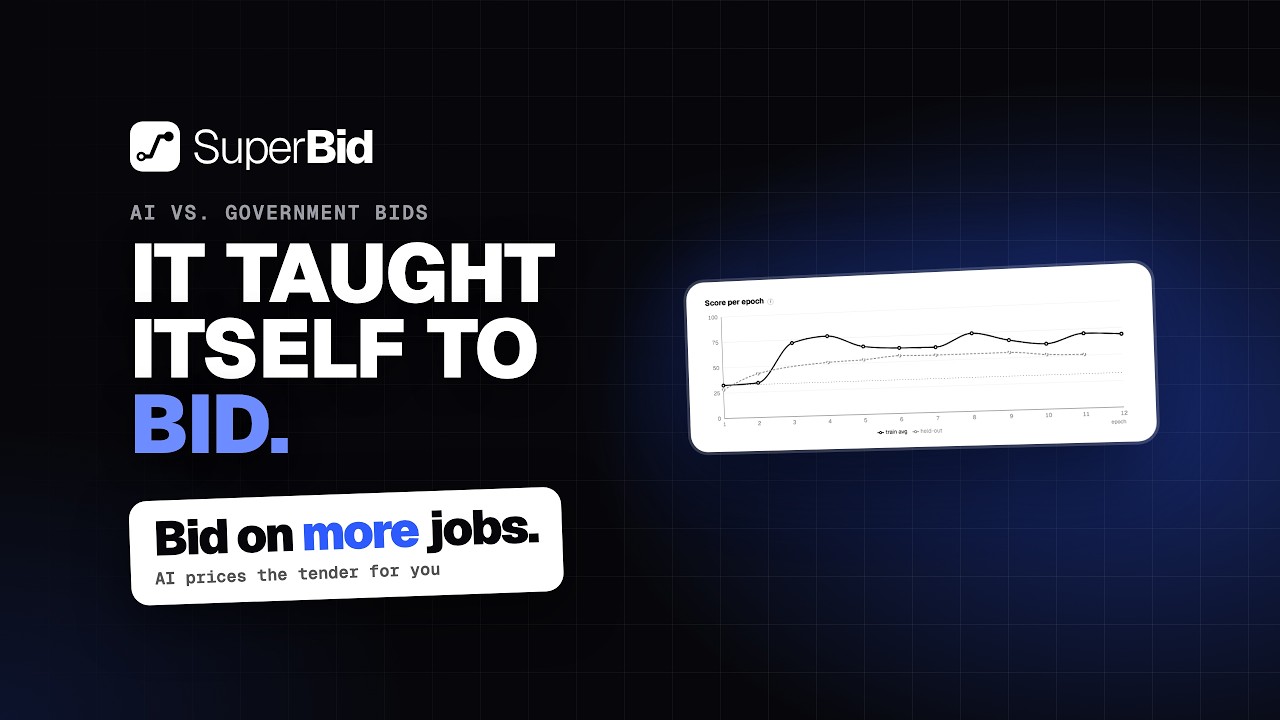
Super Bid is a self-improving AI estimator that teaches itself to price bids the way a specific company would. It practices on the company’s real past bids…


A robot that gets better at handling objects it’s never seen, without retraining. After every round, an AI coach reviews what broke and rewrites the robot’s…


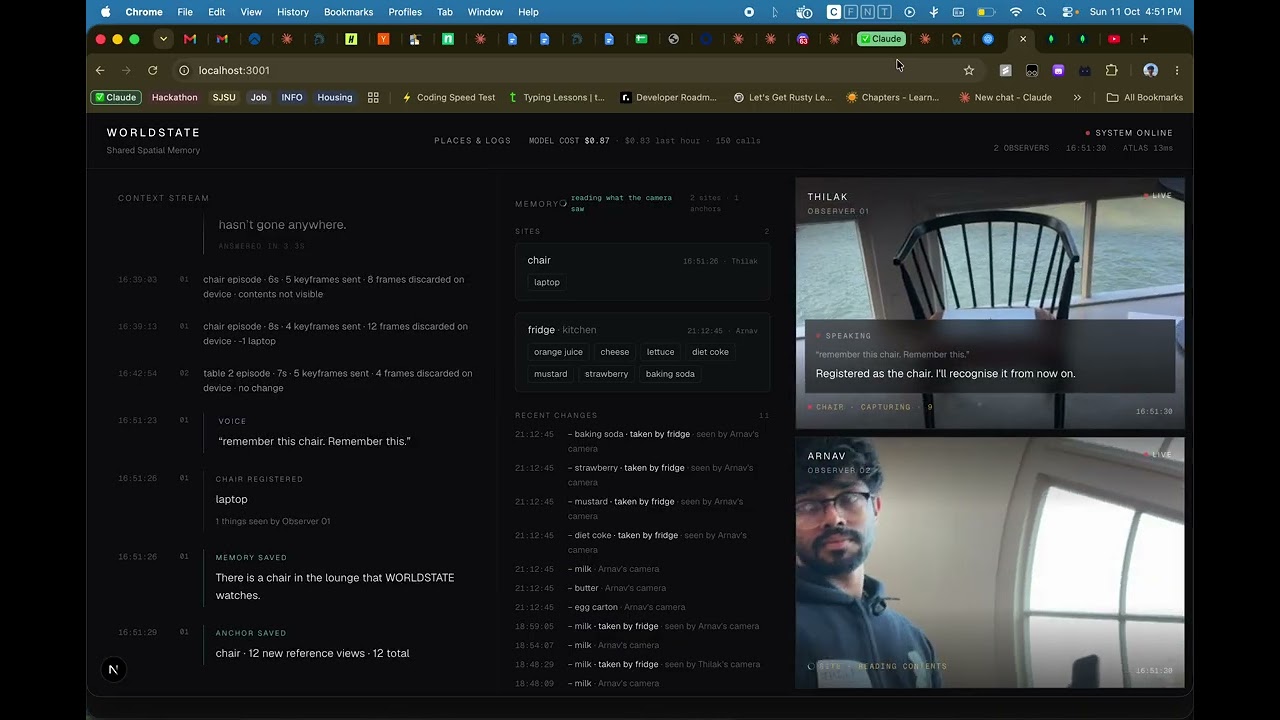
WORLDSTATE gives physical spaces a memory. Any phone becomes an observer: open a link, point the camera, and WORLDSTATE tracks what's inside fridges, shelves…