Morph adapts a robot fleet’s mission software to new robot bodies on its own. Use cases: disaster-response teams adding borrowed drones to ground fleets, warehouses onboarding a new vendor’s robots, mixed inspection fleets. Give it a robot’s structure, a map and a goal; a fixed planner (Claude Haiku) follows a versioned harness (rules, workflow graph, limits, tool specs). When missions fail, Raindrop signals and similar failures retrieved from Atlas feed an evolution agent (Claude Sonnet) that proposes one edit; a locked verifier and gate keep it only if more missions succeed with no new safety violations and no regression. Results, same model throughout: drone held-out 0/12 → 12/12 with 0 violations; fixed-wing VTOL 6/12 → 12/12; quadruped and hexapod 12/12 from structure. The gate rejected unsafe edits, including one that switched off no-fly avoidance. Live viewer: https://kitrakrev.github.io/morph/
More from The Harness Engineering & Model Wrangling #SFTechWeek Hackathon
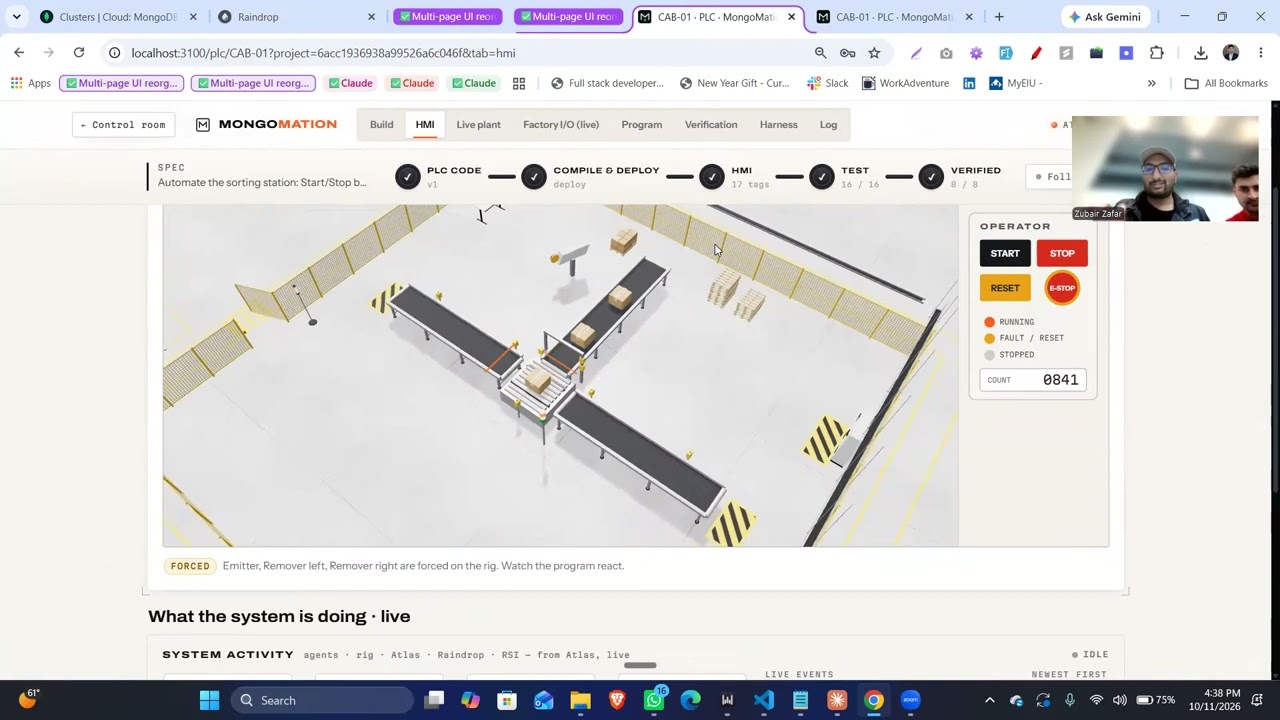
MongoMation is an autonomous PLC engineer. You describe a machine in plain English, and Claude agents write IEC 61131-3 PLC code, compile and deploy it to a…

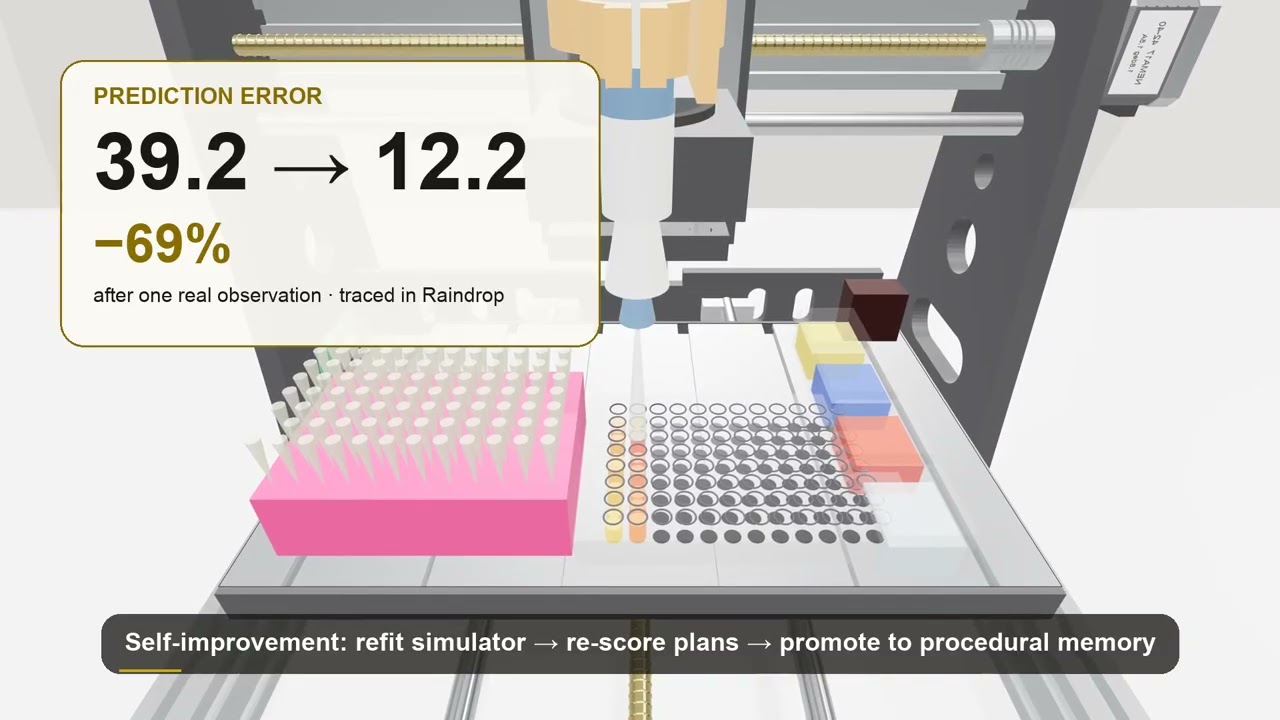
LabRat is a self-improving harness for a physical lab agent, running on a real bench: two SO-101 arms, a 3018 CNC carrying a servo pipette I designed during…

Recursive Harness Scientist: an AI scientist that improves its own scientific method, and must replicate every gain on data it has never seen. Why it…

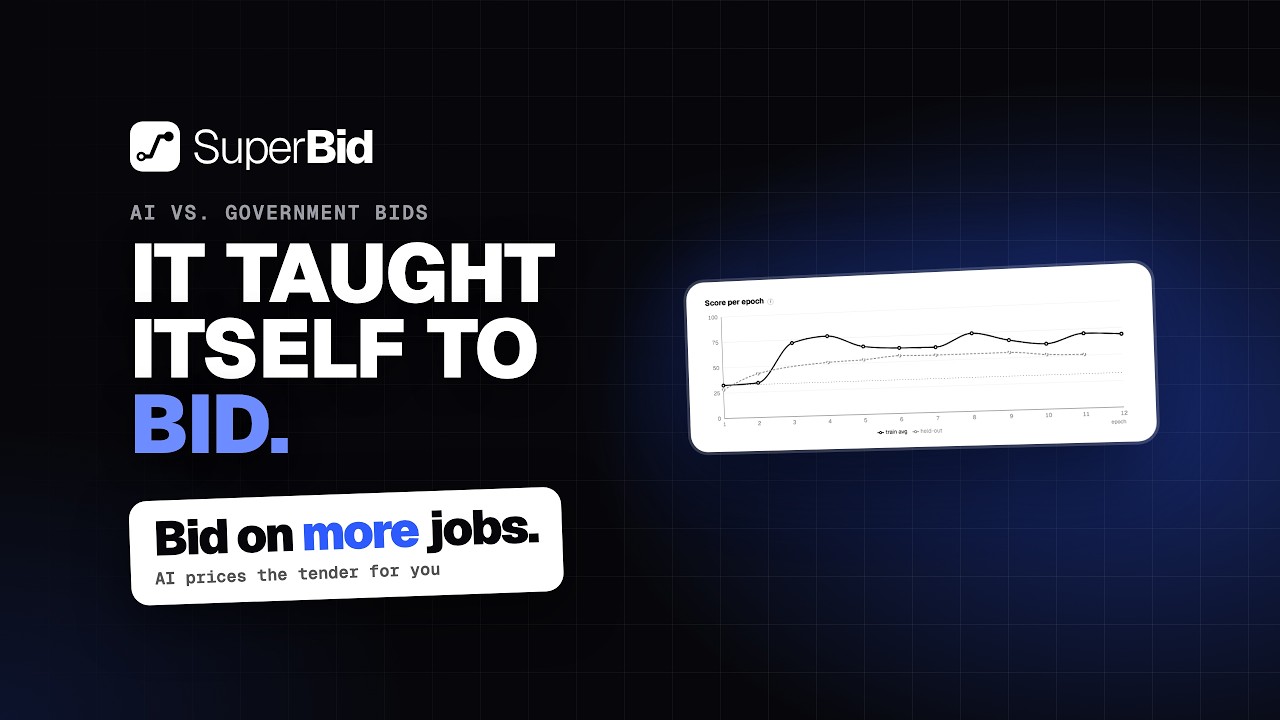
Super Bid is a self-improving AI estimator that teaches itself to price bids the way a specific company would. It practices on the company’s real past bids…

A robot that gets better at handling objects it’s never seen, without retraining. After every round, an AI coach reviews what broke and rewrites the robot’s…
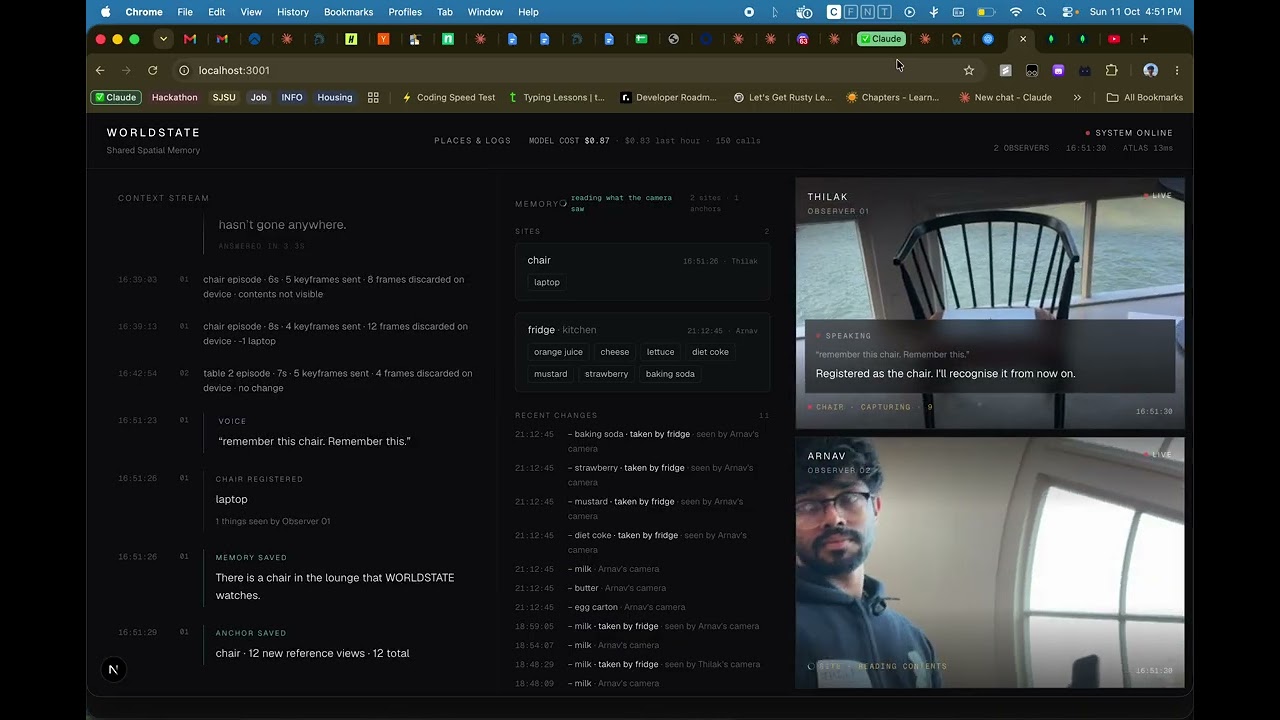
WORLDSTATE gives physical spaces a memory. Any phone becomes an observer: open a link, point the camera, and WORLDSTATE tracks what's inside fridges, shelves…