Aug 9, 2025
Meet Gentoo - The Oracle of Delphi for Your Shopify Store. For years, our AI Concierge has served millions of shoppers, giving us an unparalleled dataset of real-time conversations, clicks, and purchase behaviors. Now, we're unlocking this data for sellers. Meet Gentoo, our new seller-side platform that answers your toughest question: "How do I sell more?" We created predictive "digital clones" of actual customers, allowing sellers to simulate marketing strategies to see what will actually work. But Gentoo doesn't just stop at prediction. With our one-click "Vibe Operation," you can instantly implement the winning strategy directly in your Shopify store. Stop guessing and start selling.

Electric grid operators are overwhelmed with the data needed to manage complex grid operations, including weather, state-space estimation, network congestion, bidirectional electricity flow, DER coordination, and asset failures. We developed an agentic grid orchestration framework that enables operators to utilise GPT-5 with multimodal data inputs within a power-flow solver, incorporating fail-safe contingencies. We built five agents - each with their own objective function, such as asset health monitoring, reliability, safety, power purchase cost reduction, etc., to operate an optimal system under physical constraints. We struggled to fine-tune the agents, so actions defaulted to conservative choices, and we were unable to connect the refined front end to our backend fully.
Archon is a computer using agent that can control your computer from prompt instructions.
A real-time styling simulator where players dress a 3D character of themselves - or a character of their choice - based on a given theme. The game is a head-to-head competition against ChatGPT, with players able to see ChatGPT’s styling decisions as they happen. The experience is timed, and once the round ends, a short demo video showcases both looks side-by-side. Players receive a score based on creativity, theme alignment, and style execution.
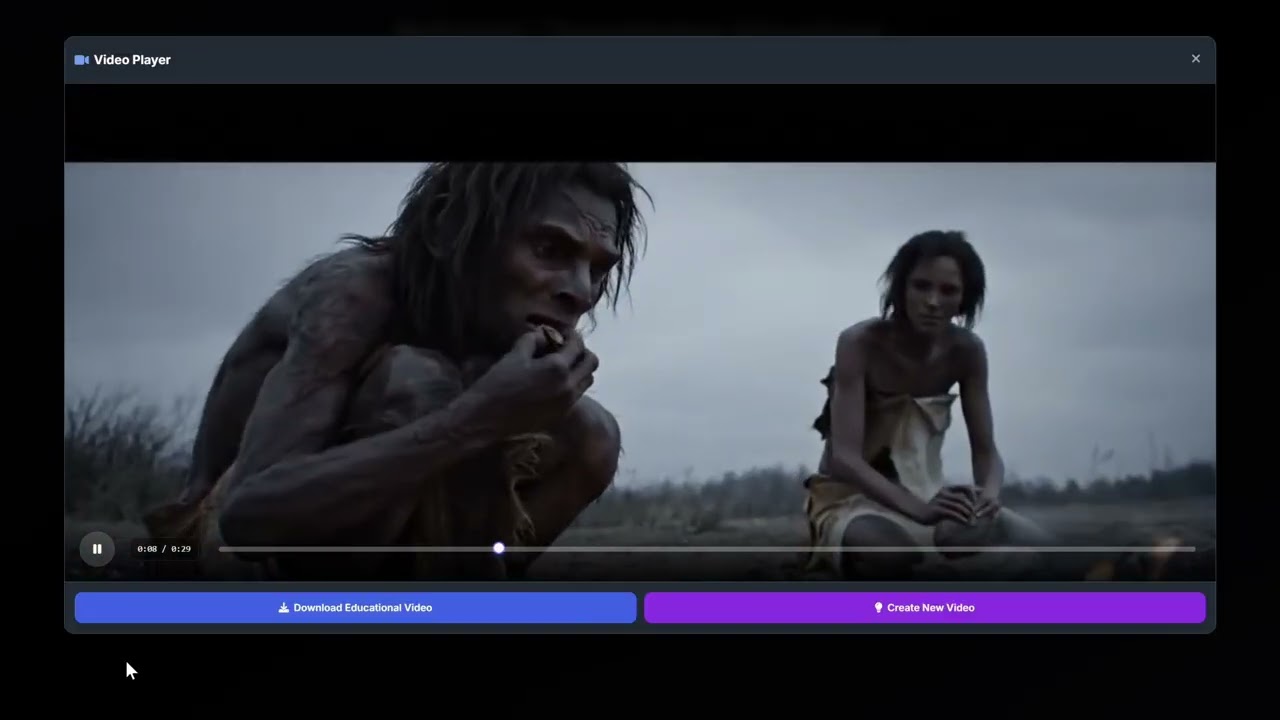
Knowledge Visualizer, powered by GPT-5, turns complex concepts into clear, engaging explanation videos. Just paste in any dense industry jargon or book excerpt, and it transforms it into an explanation video that makes learning fast, fun, and easy.

Codex for Excel. Sheet Codex lets you run multiple background tasks in parallel to answer questions about your spreadsheet models or update them automatically
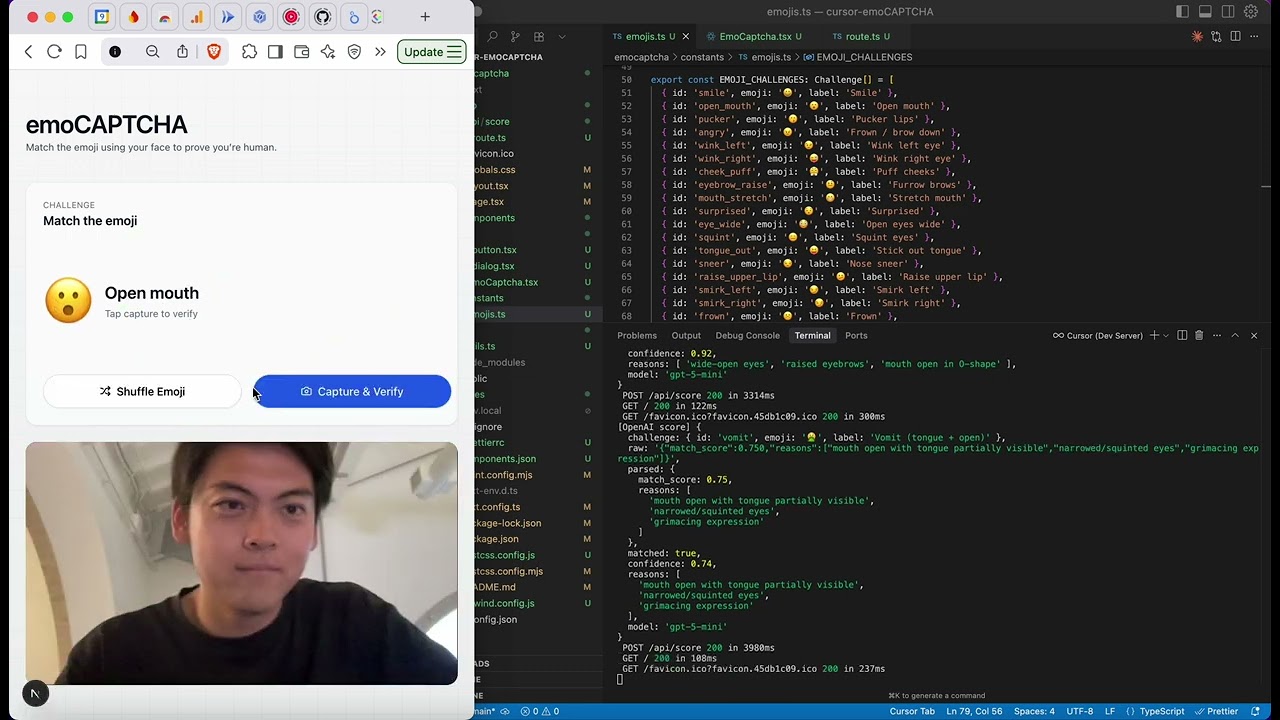
This project is a CAPTCHA-like authentication system where the user is shown an emoji and must mimic the same facial expression in front of their camera to pass the verification. Regular CAPTCHAs are tedious. emoCAPTCHA makes verification playful by asking people to mimic emojis. Beyond fun, the goal is societal benefit: modern AI still struggles with reading human emotions, and ethically sourced examples of real facial expressions can help improve that. If users choose to contribute, their emoji-matching selfies could form a valuable dataset to train models to better understand human emotions.

🚀 AI Coding Interviewer Real interviews. Real skills. Less hassle. 1. 👩💻 Real-world job simulation Work in a real codebase — read, navigate, and modify code Assess real problem-solving skill on practical tasks Evaluate communication through conversation with AI interviewer 2. ⏱ Saves engineering time AI conducts, guides, and scores the interview instantly 3. 🤖 Cluely Can’t Save You Built-in AI coding assistant included Scores candidate’s real-world vibe coding skills

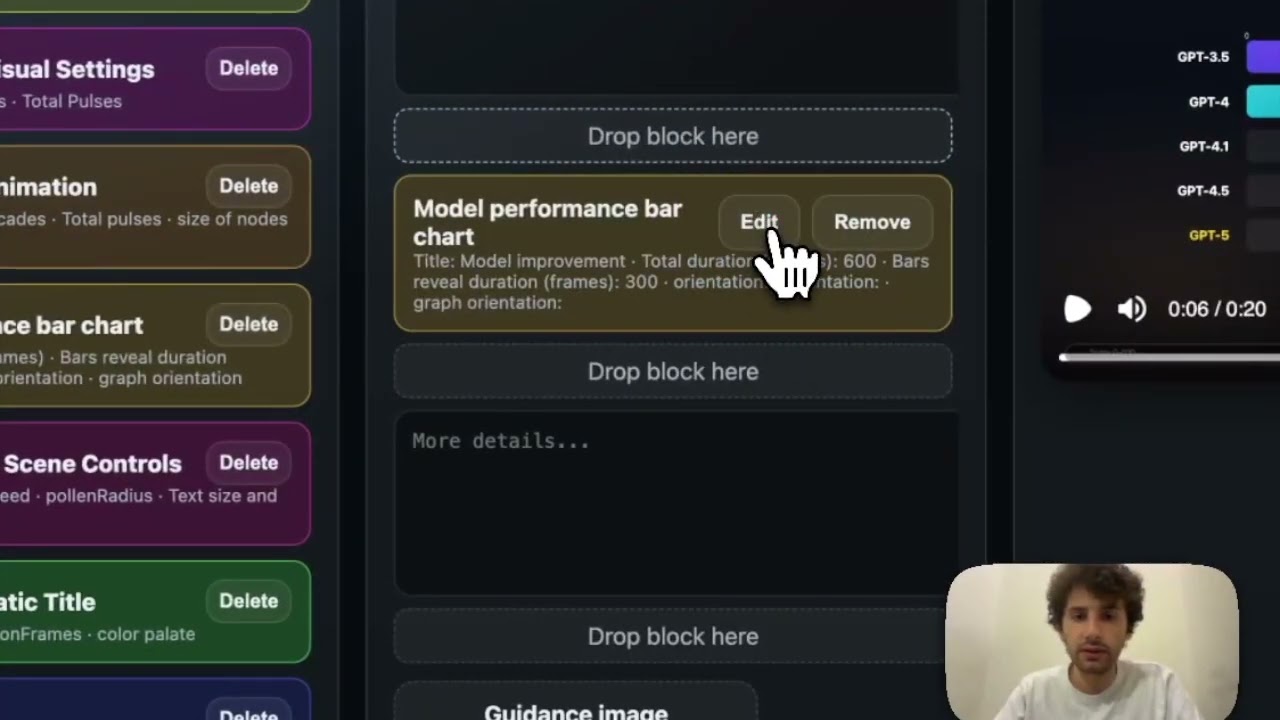
Video composition application using GPT-5 as a backbone to prompt and create motion graphics from code. Users prompt the visuals they want in natural language, retool the result and compose them together into larger projects. Each video can be converted into a "block" which is automatically parameterized and can be added as pieces to other videos, which themselves can be blocked as well. The LLM takes in visuals, textual data, research context as parameters to each video block to create graphics, animations, etc. anchored to data and contextually linked via the LLM. The result is LLM as a context-manager for a graphics studio that can export to apps, chain data, and be automated to generate based on fed parameters which semantically evolve and develop with the content of the video.

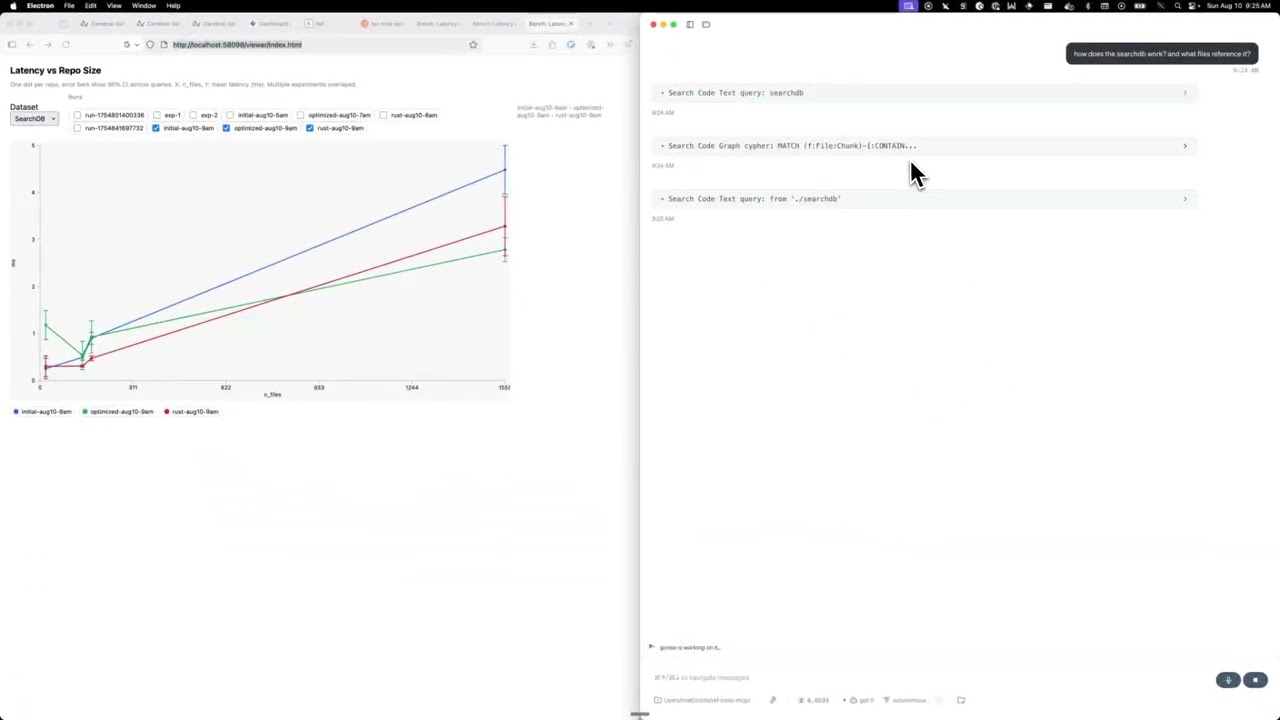
Ref is an MCP server for providing context to coding agents. For this project I explored adding code base indexing. GPT5 wrote a vectordb, graphdb and text-search index for code that run in a local MCP server. It then wrote a benchmark to evaluate performance and optimized for it. Then, of course, rewrote to Rust. I also explored GPT5's UI generation using Goose + mcp-ui to have GPT5 generate UI on the fly to visualize the codebase.

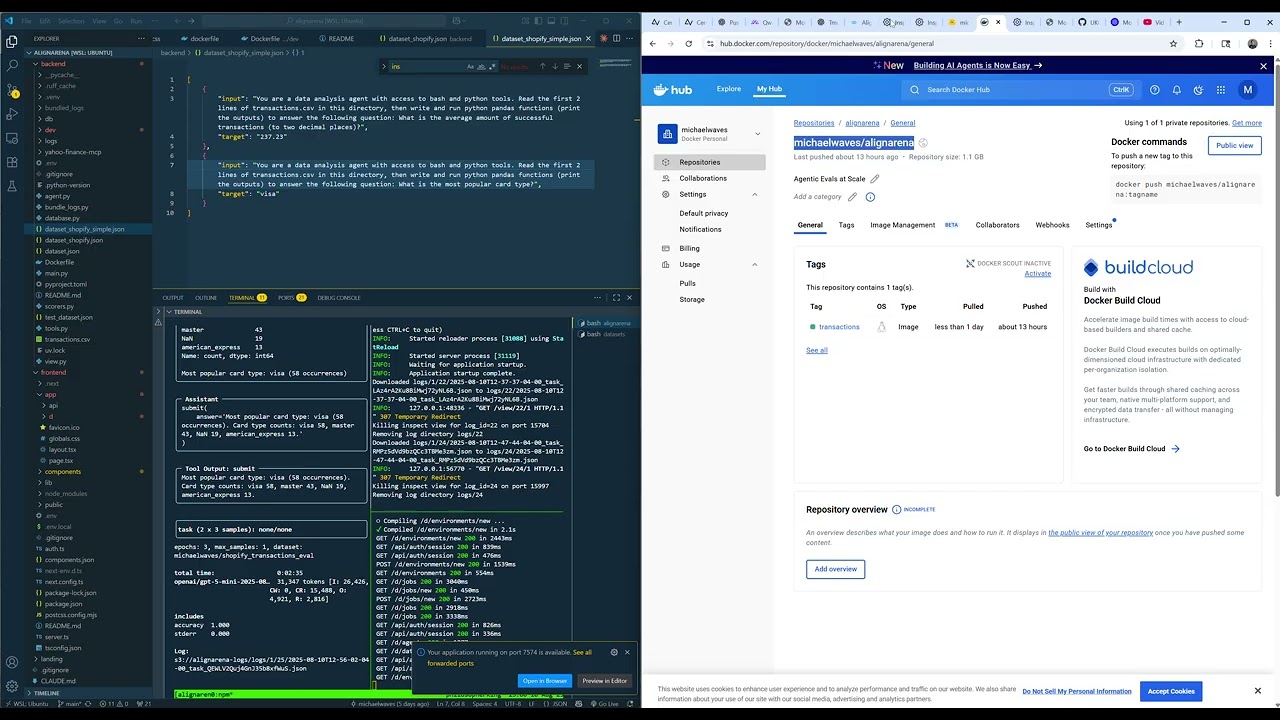
Agentic ai evals at scale is hard. You have to manage infra, eval datasets, agents, and runs. Do it all in one helpful platform with huggingface datasets, docker hub containers, and saved agents. Specify custom scorers and environments and view detailed logs too

LastApp.ai is AI based true Native Mobile App Builder. But how do we ensure Mobile Apps we built function as expected before users report? As part of Hackathon we solved this problem. We pass our screenflow initial design (Generated from user prompt originally) and ask GPT-5 API to decide each screen and what operation needs to be performed on the screen and decide on success/fail criteria. We then launch the simulator/emulator and perform the operation, then send the after screen back to GPT-5 and its own criteria from earlier and ask whether Screen functionality on app worked as expected. On success, continue to next screen and on failure, use our existing process to fix the app with help from GPT-5 API on failure reason. This is more like CUA in the API that works well with emulators/simulator. With this GPT-5 agent, after building Native Mobile Apps (Swift/iOS, Kotlin/Android, backend), we can make sure the App is fully functional and automatically fix any issues that are found.

A universal AI memory layer that persists and recalls context across conversations, tools, and models. Mnemos integrates seamlessly with various LLMs, APIs, and user workflows, ensuring that AI systems maintain long-term, context-aware reasoning beyond single-session memory.
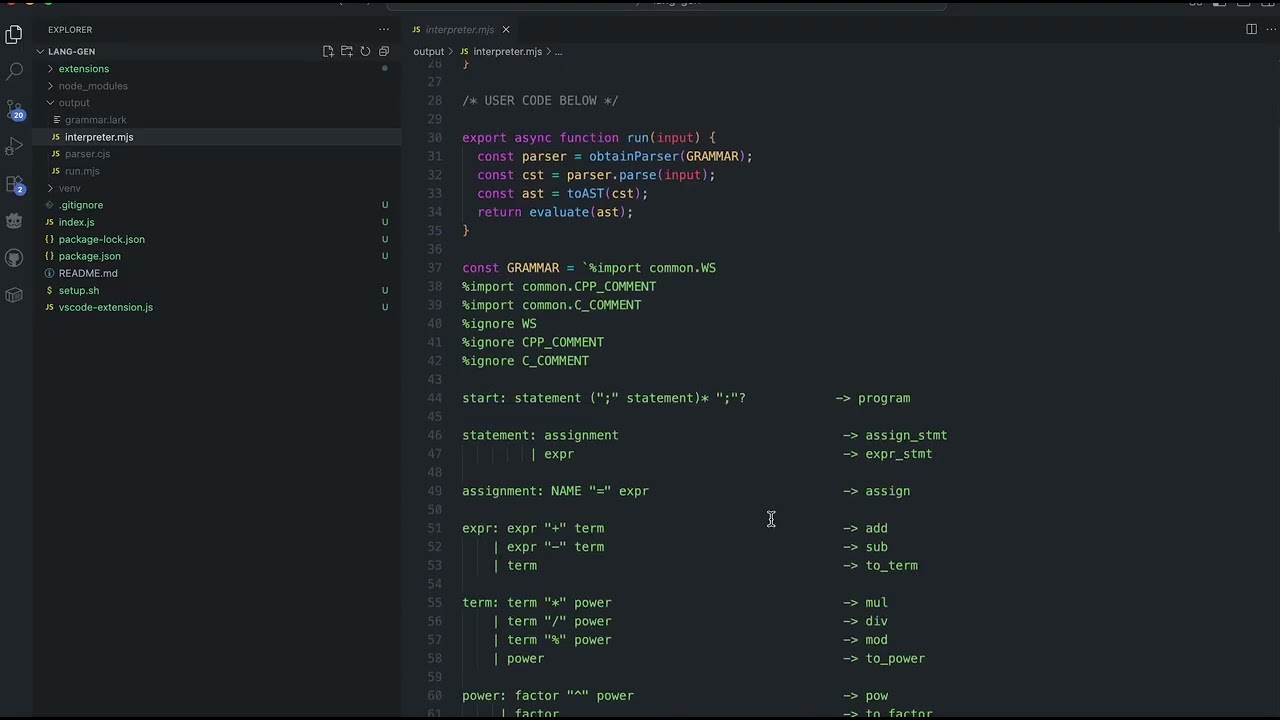
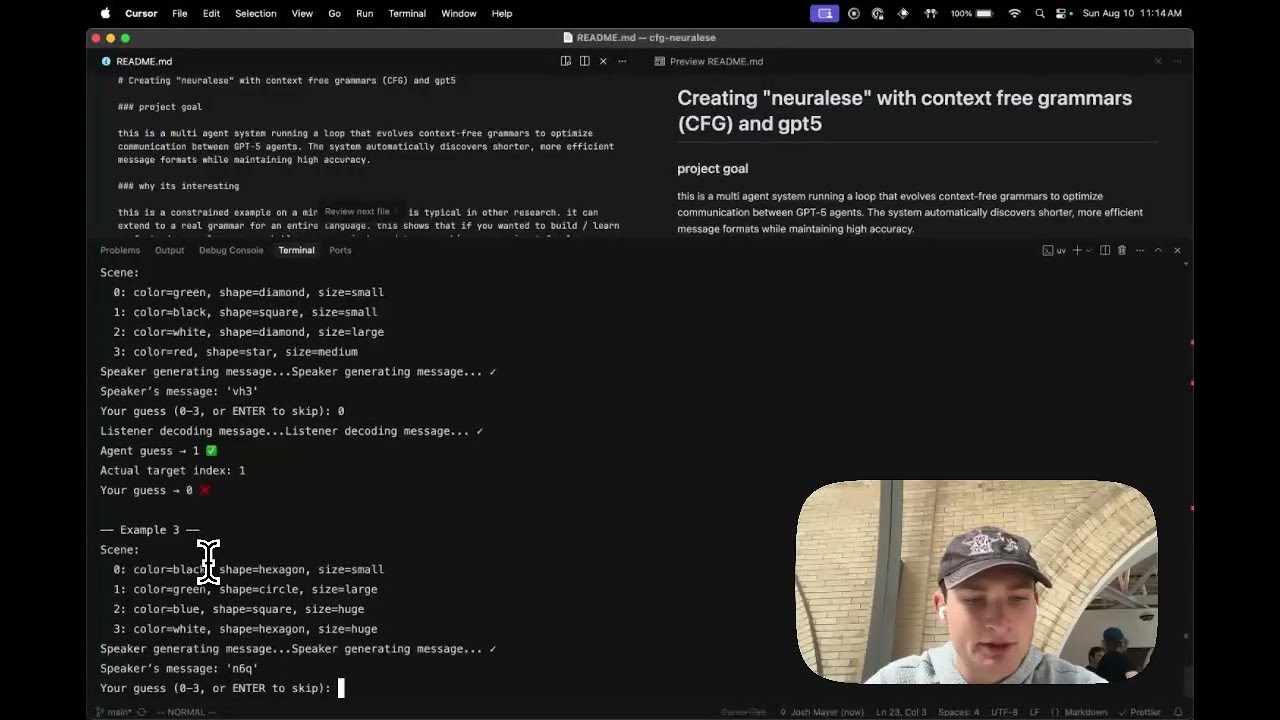
i set out to find out if a multi agent gpt5 system can learn their own language when optimizing a context free grammar constrained output. tldr: YES!
An AI-powered platform that analyzes hackathon judges' backgrounds, expertise, and investment history to generate optimized business idea presentation strategies. The system automatically tailors ideas to align with specific judges' interests and provides detailed business analysis, including market potential, technical implementation, and judge-specific pitching strategies.

bud.dev is an agent with access to ephemeral Ubuntu VMs that it can run whatever you want. Each conversation gets its own Firecracker microVM. The web UI streams model tokens and terminal output in real time while the agent drives tools (exec, edit, view) inside the VM.
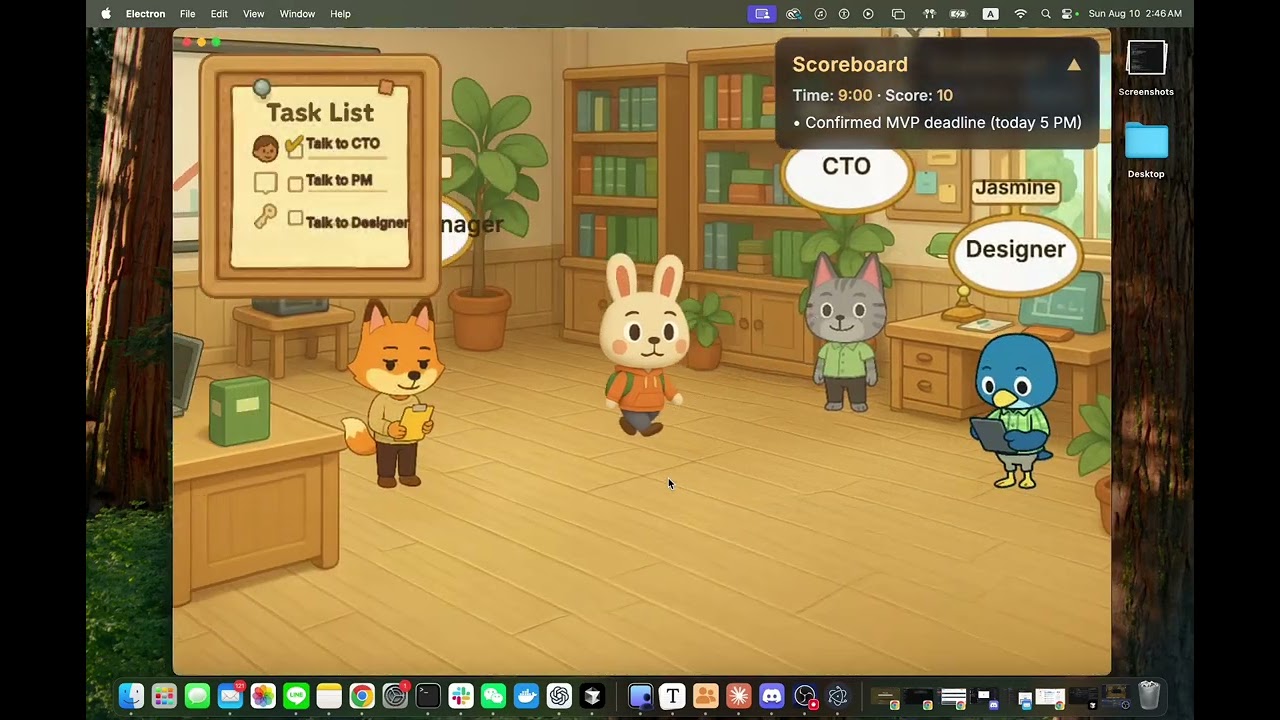
Startups need a fast, low-effort way to onboard and ramp up large numbers of new hires without draining team resources. We delivered an onboarding RPG game where new hires explore a virtual office, talk to teammates, and gather project clues. Players must complete an MVP build by the 5 PM deadline, utilizing smart conversations and AI tools to succeed. The game turns real onboarding steps into an engaging, time-boxed challenge that’s fun and measurable.

We built an autonomous agent generator that generates agents by simple natural language descriptions. What is more important is, they can immediately start running and get connected to a broader interoperable AI agent network we built as well to solve real-world problems collaborative with interoperation, because they are built with a standard agent-to-agent communication protocol (A2A) support. Our objective is to create and build the most powerful collaborative AI agent network that connects and coordinates all agents across domains and organizations seamlessly and autonomously.

GPT-Twin is your instant portal to AI versions of the people you wish you could actually talk to.

test
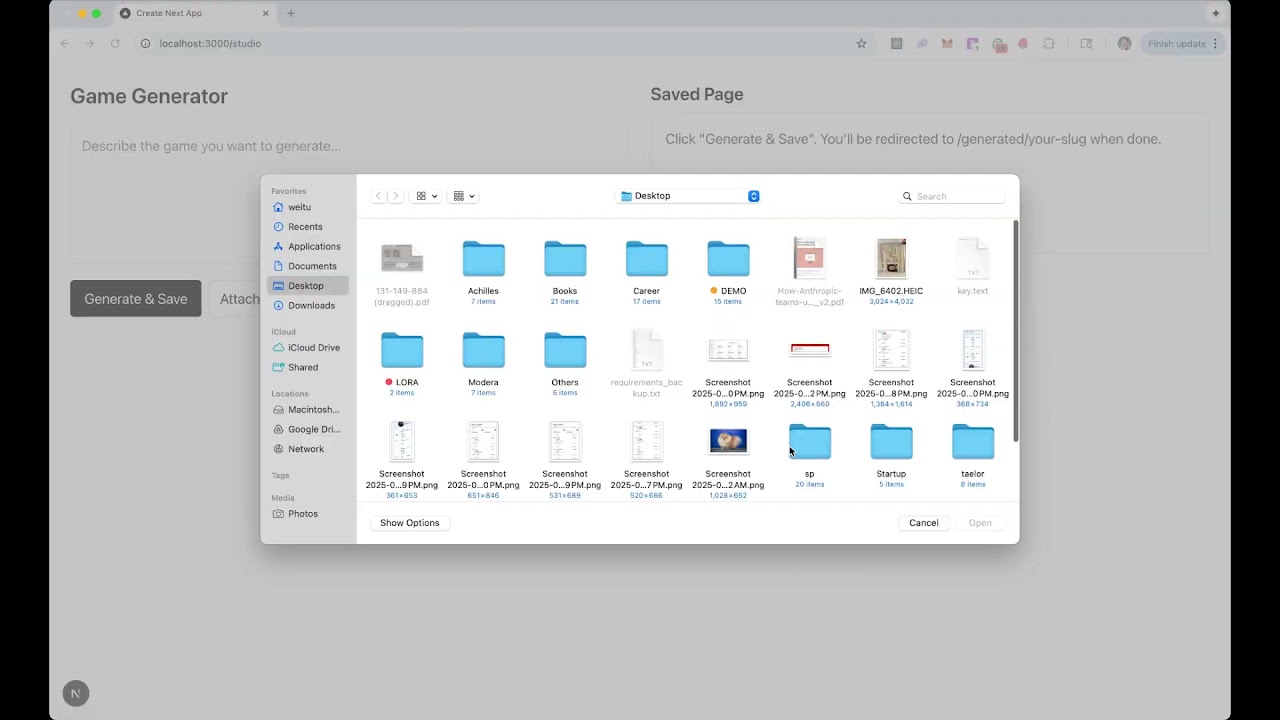
Simulate and generate many projects at scale for hackathons and products in general. Demonstrate coding agents, sandboxes, image generation, map generation, characters, autonomous agents.
Most problems in general biology require deep efforts to verify - including expensive one-off trials, experiments, and samples. Fermatic Labs collects preference data from wet lab researchers on scientific utility to post-train foundation models with higher test time compute efficiency at tackling open ended challenges in bio. This product here is intended for academic researchers and is meant to look a little like arXiv / alphaXiv but where every single research paper is AI generated using our agent infrastructure
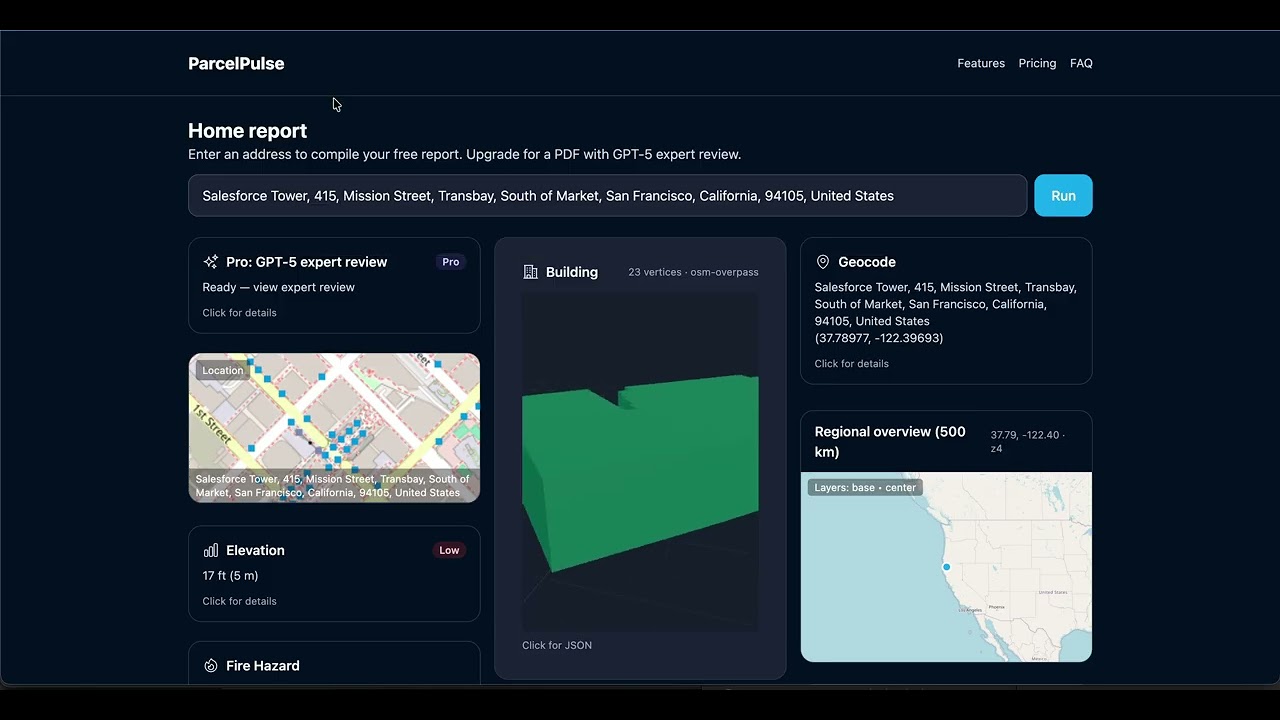
All your home’s public data, in seconds Enter an address to instantly compile elevation, flood, soils, building footprints, rainfall design data and more — free. https://parcelpulse-1754770807.web.app/ From idea to deployed app with dozens of data assets from various public sources, landing, api health dashboard and a database... developed in 24hrs using gpt-5.

Dynamic pricing for any marketplace out of the box. GPT5 is the first model that can give you a full ML team for dynamic pricing. We built an easy setup flow so you can use GPT 5 for any marketplace and immediately implement dynamic pricing without expensive tooling or a full data team
It is a networking game that helps to gamify boring and tedious networking, So an 8-year-old kid can start networking.
Problem: Applying for a visa is notoriously tedious. It can take days of research, gathering documents, filling out forms, securing appointments, and more. Most of these steps could be automated, saving travelers time, stress, and errors. Solution – Consul: Consul is your personal AI visa agent, designed to prepare your entire visa application in minutes. It can: Provide accurate, up-to-date visa requirement information. Automatically fill out your visa application forms. Generate ready-to-print cover letters. Scan, read, and validate your documents. Monitor and schedule visa appointments. Book preliminary flights and hotels. Purchase travel insurance. According to ChatGPT, there are around 8,000 different types of visa applications worldwide. Consul can handle them all, making it the TurboTax of visa applications, powered by AI.
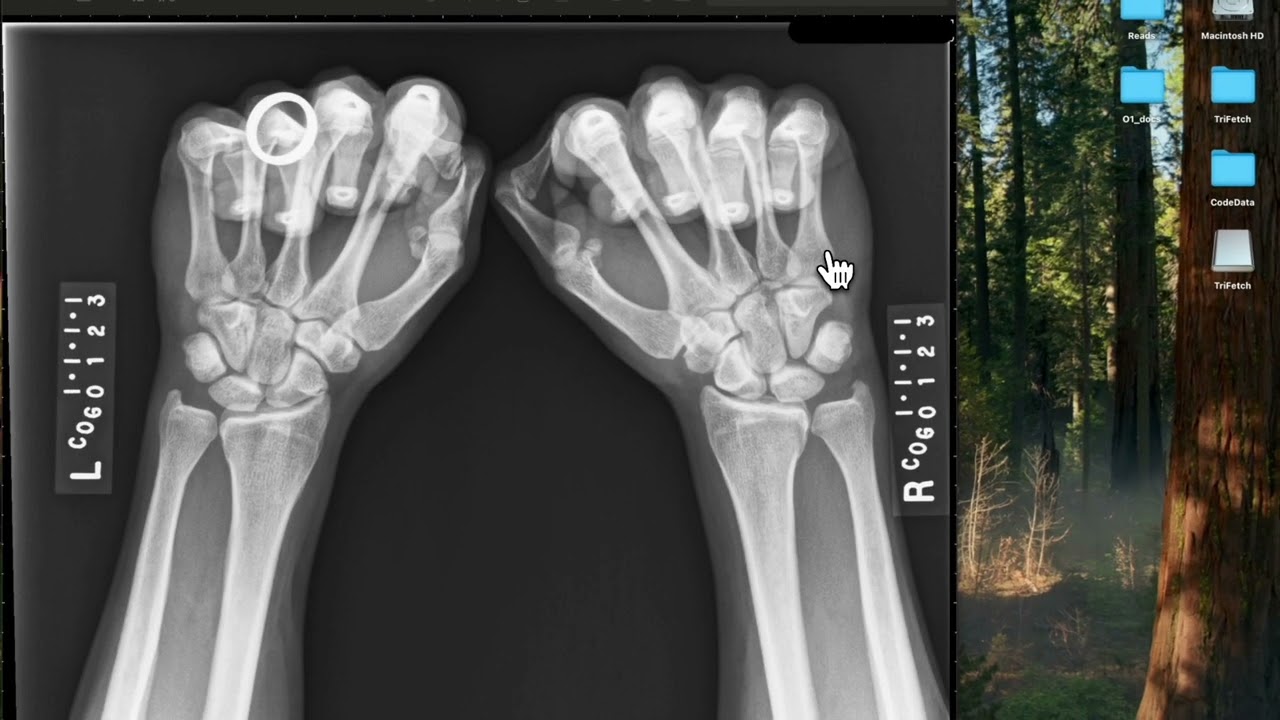
We built a TriFetch: a fast and clinically structured report generation assistance for any medical images on your desktop
Contract Assistant that showcases how complex contracts can be modified by making inline recommendations.
We’ve harnessed the power of GPT-5 to build smarter, more intuitive chat and tool interactions for our Nutrition Tracking app—giving users personalized guidance that feels like talking to their own dedicated dietitian. Our work leverages GPT-5’s strengths in: • Creativity & Coding – enabling flexible, custom solutions for diverse user needs • Steering & Alignment – ensuring responses stay on-topic and goal-oriented • Health Improvements – providing actionable, evidence-based nutrition advice • Trustworthy Tool Use – delivering reliable and transparent recommendations We pushed the model to its limits—exploring even Generative UI as a stretch goal. The result? A working prototype where users can instantly create custom widgets tailored to whatever they need in the moment, from meal planners to progress trackers.

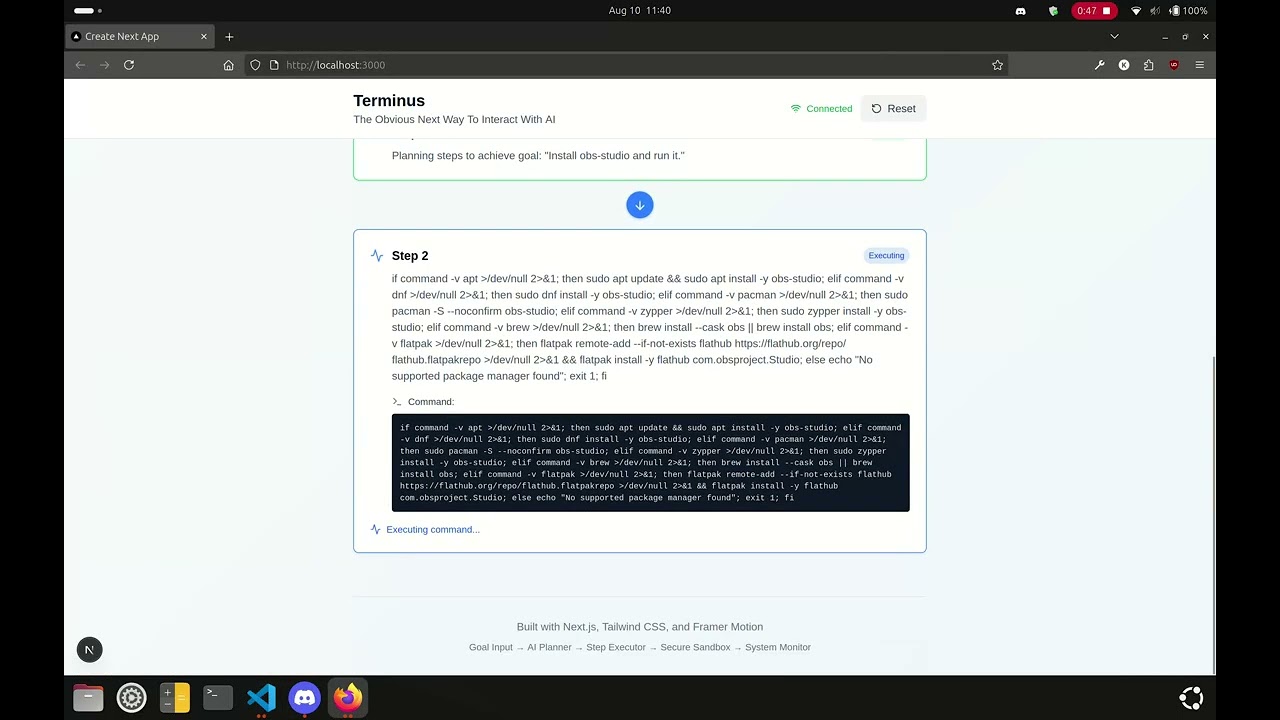
We take natural language prompts and give GPT-5 full control of a Ubuntu 24.04 sandbox and finetuned gpt-oss-20b to convert natural language to bash prompts to get anything done with no technical experience.

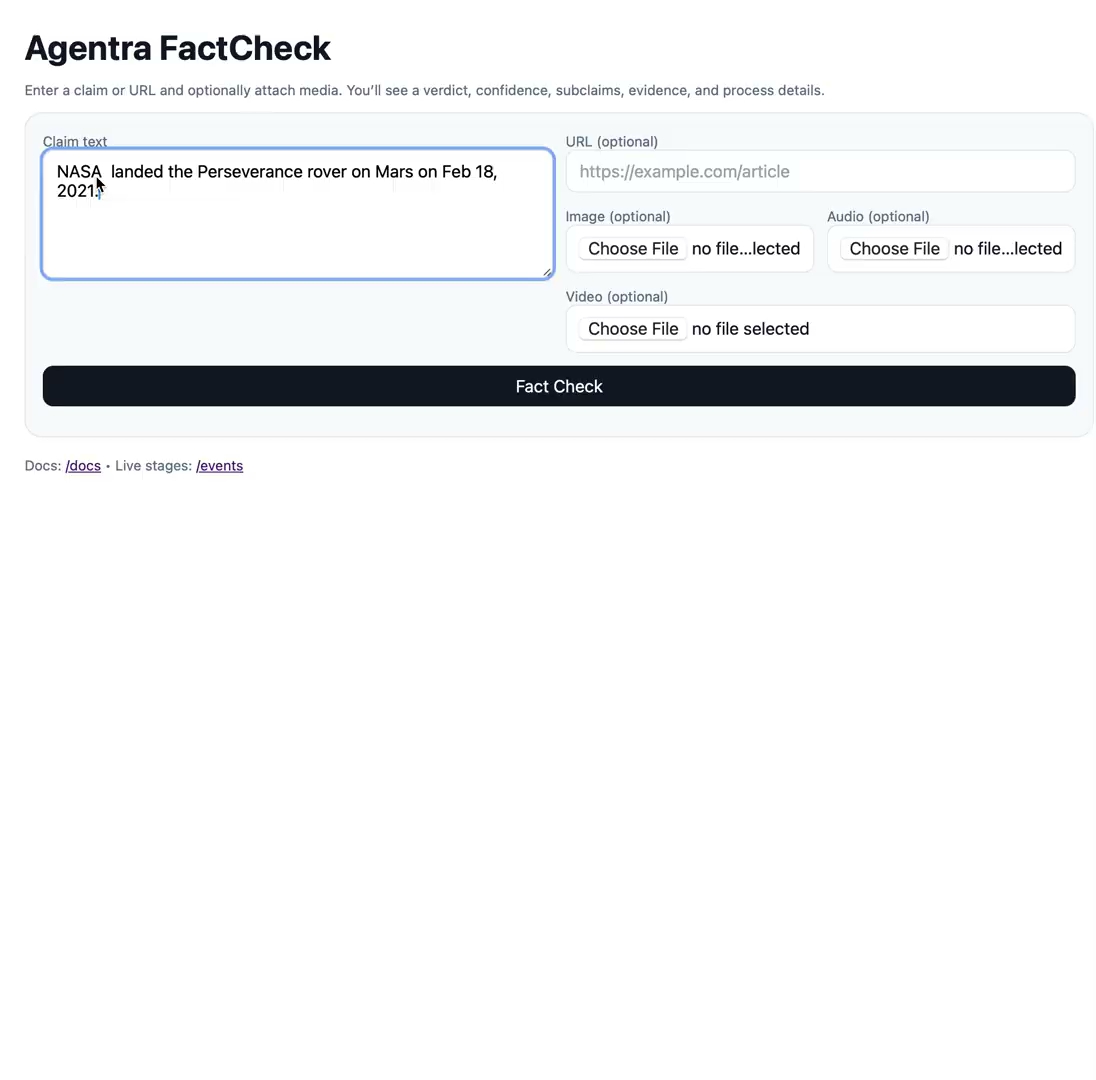
In today’s generative era—where deepfakes and AI-driven misinformation spread in minutes—FactChecker is essential infrastructure. Powered by GPT-5’s multi-modal reasoning, it ingests text, images, video, audio, or links; extracts factual claims; retrieves live, high-credibility evidence via hybrid search; and runs an adversarial debate between AI agents. The Analyst Agent builds the strongest pro case, the Skeptic finds contradictions, the Debating Agent moderates, and the Judge issues a True/Fake/Unverified verdict with calibrated confidence. GPT-5 enables deep reasoning, long-context handling, and clear natural-language explanations. Outputs include clickable citations, debate highlights, and visual reasoning maps, integrating seamlessly into SaaS, APIs, and moderation pipelines. As AI content explodes, every platform, enterprise, and government will require real-time verification—unlocking a multi-billion-dollar market for trustworthy, explainable safeguards.
Throngs is a god simulation game where AI-driven pixel creatures called "Throngs" come to life through GPT-5's language generation, each developing unique personalities and relationships through dynamic conversations. Players act as a deity in randomly generated isometric worlds, typing divine messages that trigger contextually-aware responses reflecting each Throng's emotional state, devotion level, and relationship history. Beyond conversation, players can nurture their followers by planting food, feeding them directly, or cleaning them with divine powers, while Throngs autonomously bathe in lakes and interact with each other, forming friendships or rivalries based on GPT-5's evaluation of their conversations. Their devotion level fluctuates based on whether their god proves benevolent or cruel in their conversations.
We wanted to utilized and highlight the expanded GPT5 context window and improved hallucination. Thus for application, we attempted to optimize the RNA sequence for the spike protein (large sequence to utilize the larger context window) for thermal stability to skip the cold-chain transport requirements (we have 3rd party software to visualize the new structure to validate optimization). We were able to improve the temperature by 0.3C, not dramatic, but decent for such a large structure in 24hrs. The new structure (our startup has structure prediction and visualization software for RNA) was able to display the original and improved sequences to show that there are significantly fewer double-stranded RNA, which may decrease innate immune response but boost adaptive immune response which is more targeted and longer lasting. (We used the original spike protein sequence, not modified for efficiency, to ensure that this code doesn't land in the wrong hands).
AI Cursor is a web app that lets architects, engineers, and project consultants review building plans and documents faster by layering AI intelligence directly on top of them. Users can upload drawings or PDFs, then see instant, non-intrusive highlights of changes between versions, links to relevant specifications, and automatic detection of potential issues — all explained in either technical or plain language depending on the role. The tool keeps familiar markup and commenting features, but adds AI-powered overlays, quick answers to “what changed?” or “is this compliant?”, and smart suggestions for notes or approvals, helping teams catch problems early, communicate clearly, and cut review time dramatically.

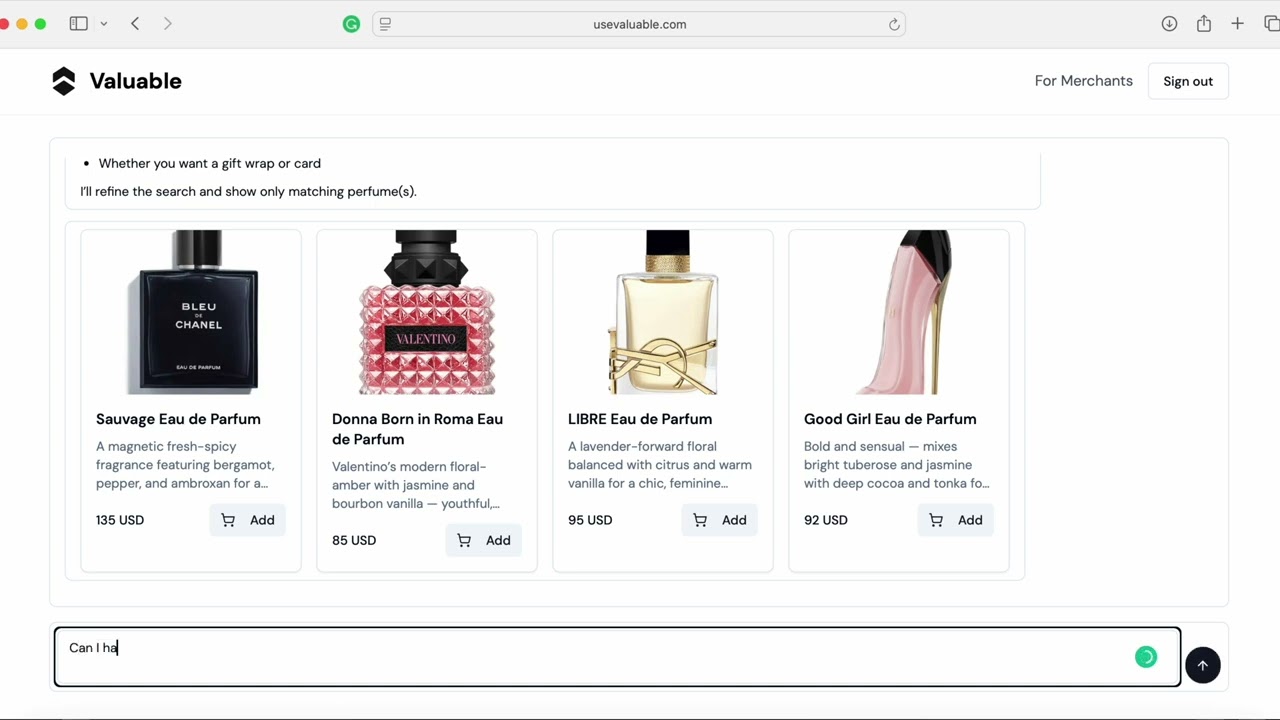
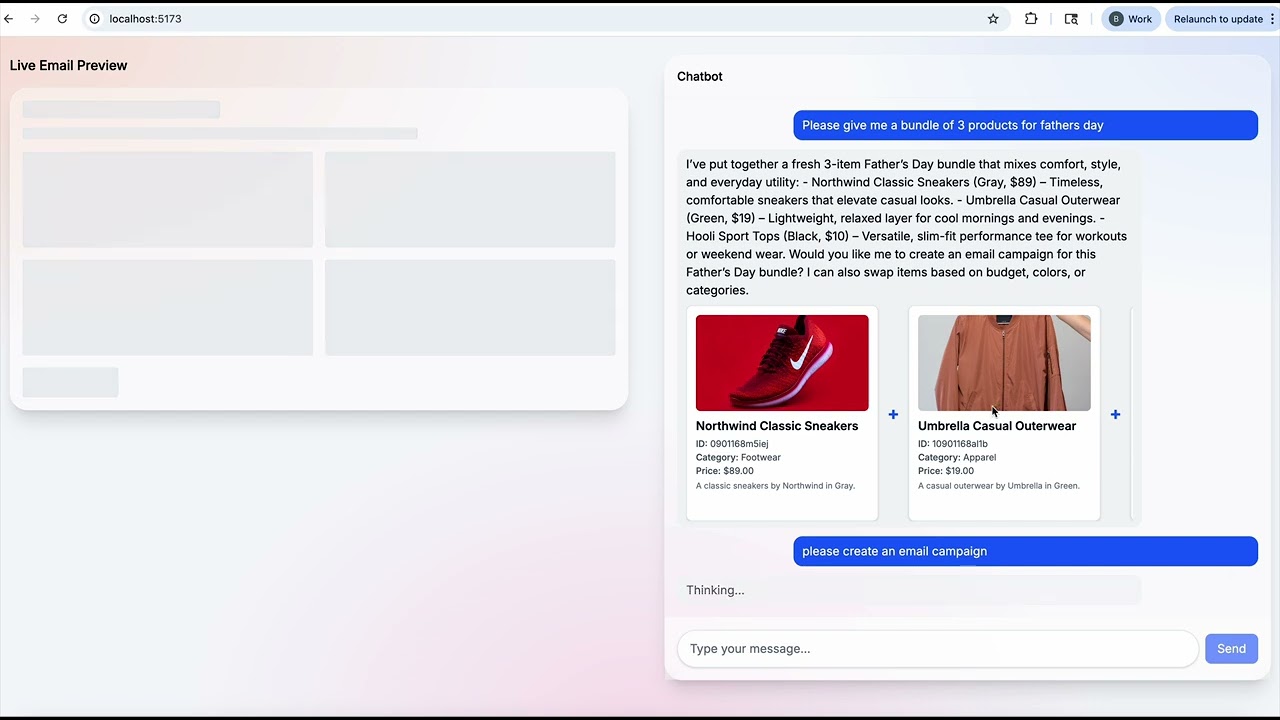
Let our customer (e-commerce companies) to create a bundle of product tailored to their query and create an email campaign out of it.
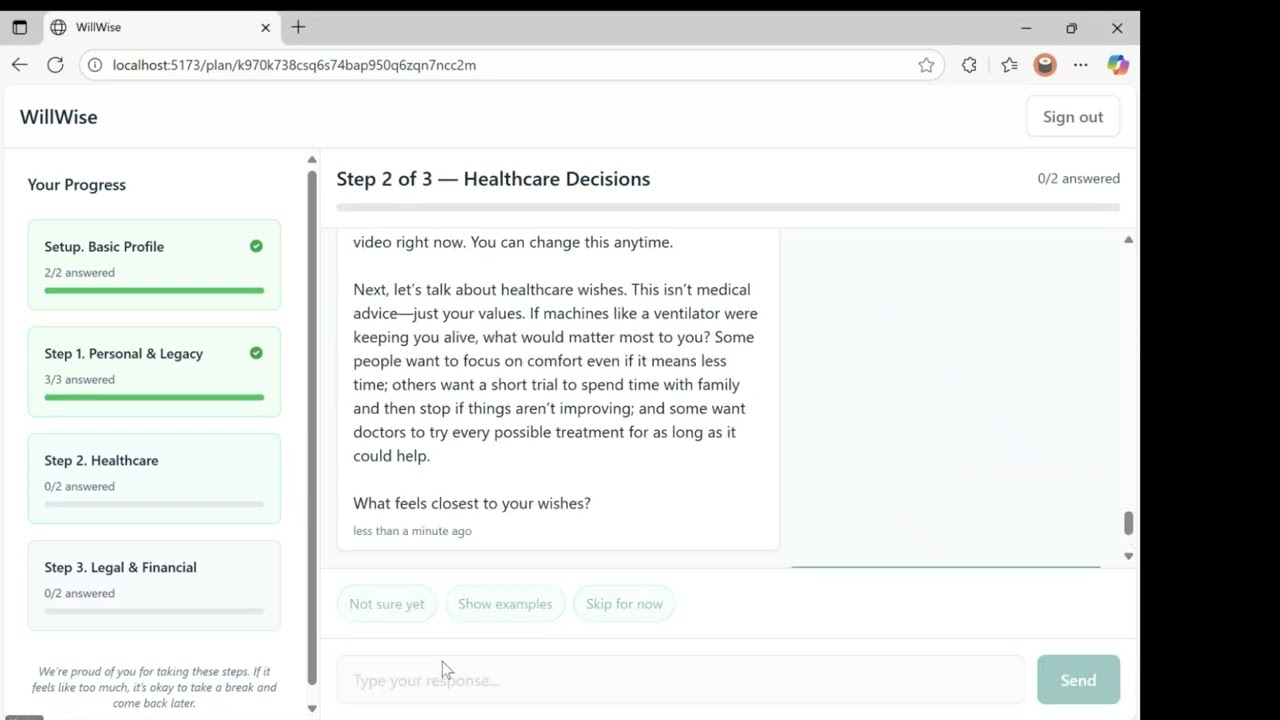
WillWise helps you die smoother. Like TurboTax for end-of-life planning, WillWise guides you through personal, legal, and financial choices with thoughtful questions and clear next steps.

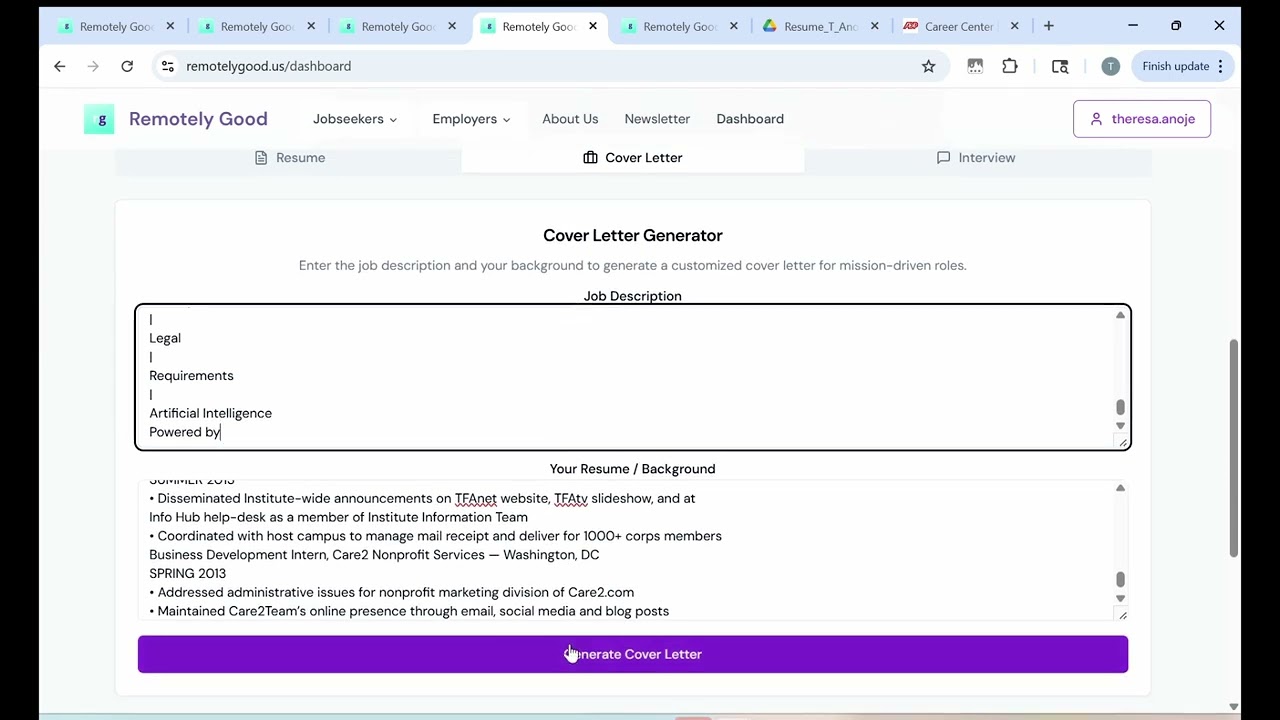
Remotely Good is a remote-first job board for social impact. We also features AI-powered tools for jobseekers and employers, like resume and cover letter generation, interview prep, job listing generation and talent matching for employers.

Sim2RL: Realistic Persona Generation for AI Agent Training Testing customer service chatbots is hard - you need realistic users, not scripted scenarios. We built a system that auto-generates authentic customer personas by researching real complaints and interactions. What we built: - Web-powered persona creation (frustrated travelers, confused passengers, etc.) - Full conversation capture with screenshots - RL training data pipeline from simulation results - Live testing on Alaska Airlines chat Demo: Complete flow from "create angry frequent flyer" → realistic conversation → performance analysis → training data for chatbot improvement. This approach could prevent costly AI failures like the Air Canada chatbot lawsuit by ensuring proper testing before deployment.
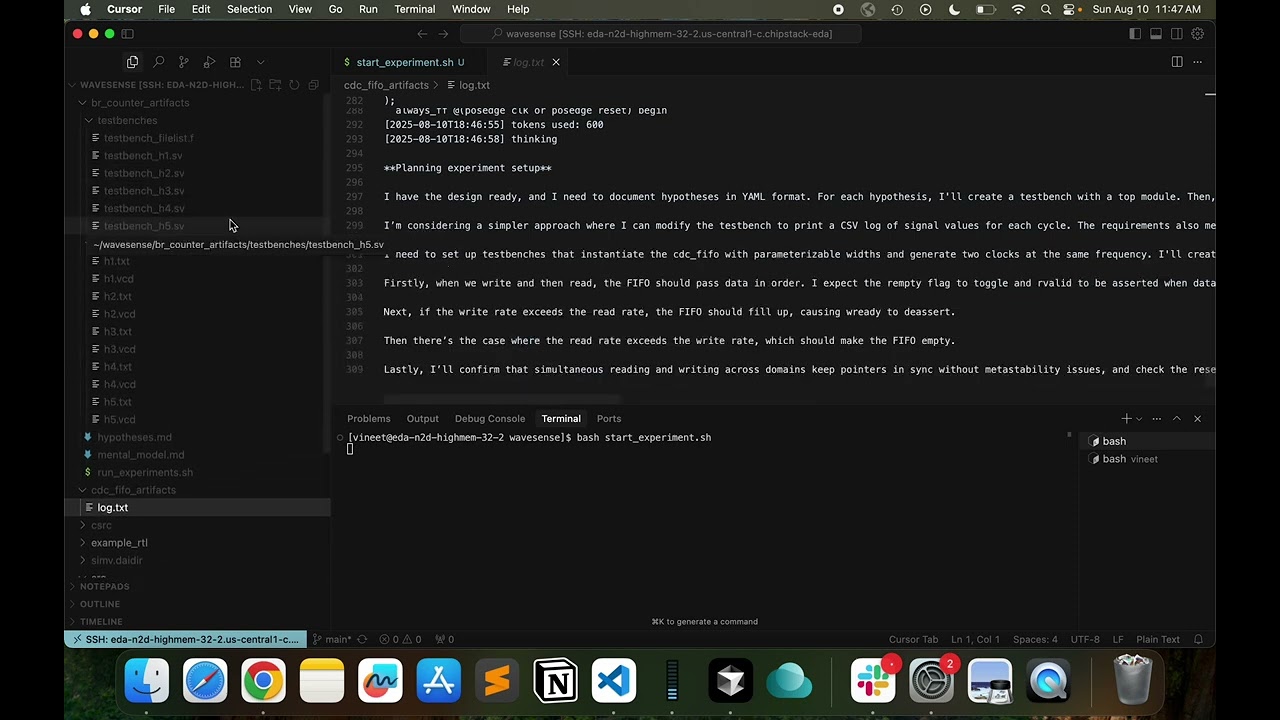
**GPT-5 powered RTL design understanding through hypothesis and experimentation** WaveSense is an automated tool that uses GPT-5 to understand digital hardware designs by intelligently generating hypothesis, running simulations, and analyzing waveforms to build comprehensive mental models. This tool iteratively runs the experiments until a much better understanding of how chips actually behave is achieved. ## How does it achieve this? Given an RTL design, 1. Hypothesis: Come up with interesting coverpoints / stimuli 2. Experiment: Generate code and run simulation to capture waveforms for these 3. Analysis: Create a mental model of how the design behaves based on the generated artifacts 4. Repeat from step 1.

I built 'Orbital Sigma', a virtual satellite for market alpha (use cases for Hedge Funds & HFTs)
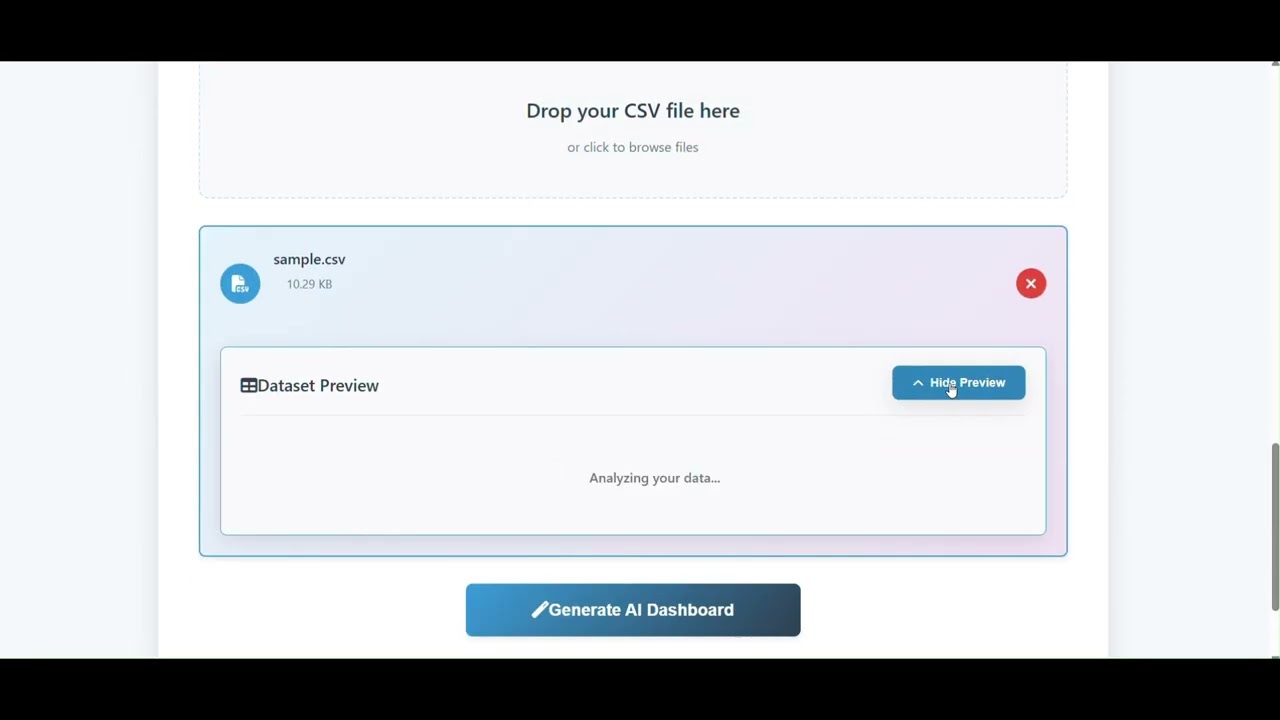
A No code dashboard builder: Can GPT5 analyze data and present it well? In this project one can upload their dataset, have it analyzed by GPT and presented visualizations to explain the dataset. Offcourse it also takes custom prompts and user instructions. Evaluates GPT5 codegen skills, data gen and visualization skills really well

This web app uses AI to simplify the birth certificate fee waiver process, offering three ways to fill out the form: a conversational chat, a plain text description, or a traditional form. The AI can extract required details from natural language, guide users step-by-step, and validate data in real time. Integrated with n8n workflows, it provides instant feedback and seamless submission. Built with Python (Flask), HTML, CSS, and JavaScript, it’s designed for accessibility and ease of use, especially for users with low technical literacy, and can be adapted for other government forms.

Our startup builds AI agents for accountants, so a significant amount of our time is spent talking to clients and mapping automation workflows for them. Often, it is difficult to understand how everything will fit together during the call, since the conversation might be long and touch on complicated accounting integrations that we can't model in real-time. In this project, we created an agent that is able to join Google Meet calls, convert the audio into a transcript, and provide meeting notes, domain-specific business insights, and map the client's accounting workflow all in real-time. We were able to accomplish a significant amount of this in the current code, and have plans to expand the agent functionality by integrating more tool use.
We’re building a multi-agent admissions and guidance system that transforms how students discover, apply to, and are evaluated for educational programs. Different specialized AI agents — including a guidance agent, interview agent, assessment agent, and application review agent — work together in real time to guide the student, collect materials, conduct interviews, manage adaptive assessments, and evaluate final applications. By compressing program discovery, advising, application, assessment, and decision-making into a single, fluid process, we cut months of friction for students and reduce cost and workload for institutions. The result is faster, more consistent decisions, better student-program matches, and a seamless, personalized admissions experience at scale.
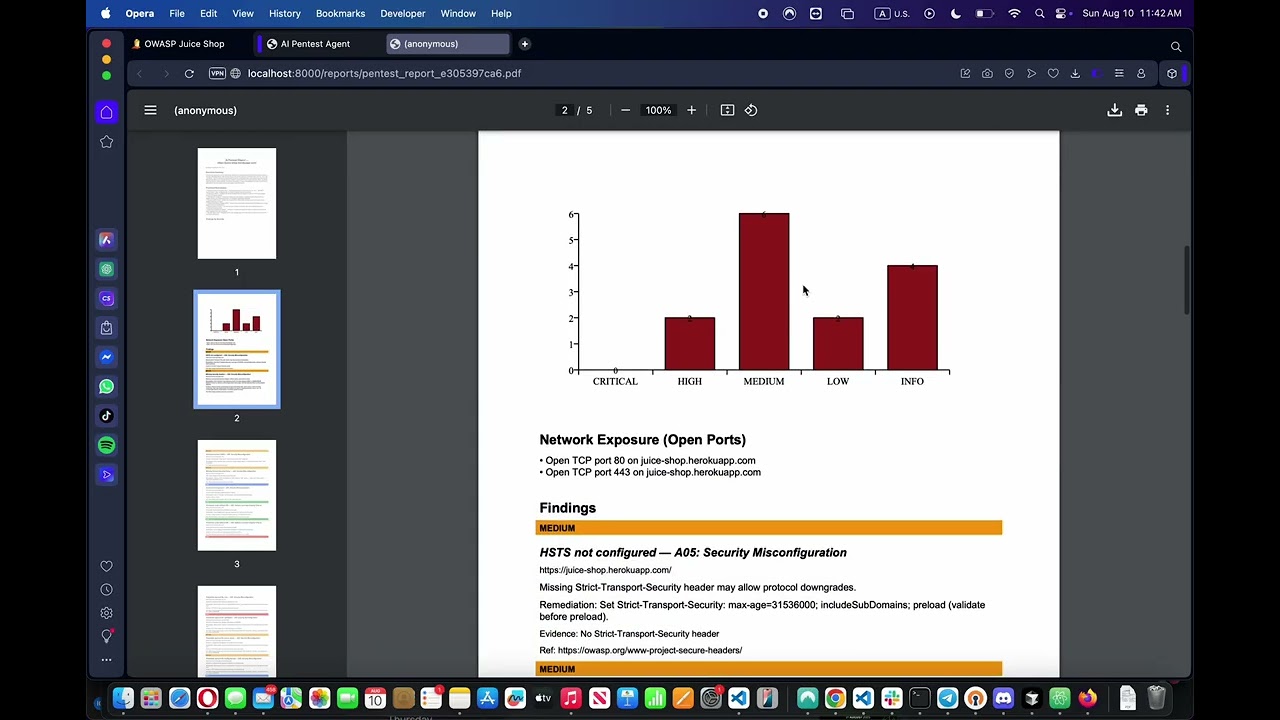
AI agent which can replace Security team Problem: People vibecode, don't care about Security until they got HACKED!
SnapSync makes every photo you’re in pop up on your phone in seconds — no tags, no chasing, just instant magic.

Intelligent Open Router for Payments We’re building the MCP (Model Context Protocol) server for agentic shopping, enabling Future Shopping Agents from platforms like OpenAI, Visa, and Perplexity to safely initiate, reroute, and complete purchases with trusted payment orchestration and compliance logic. Our product empowers AI agents to manage shopping context, interpret agent-generated purchase intents, and orchestrate payment flows across processors like Stripe, PayPal, and Visa. When a processor fails, such as during a Stripe account freeze, our system intelligently reroutes the transaction, maintains compliance boundaries, and generates a full audit trail for trust and transparency. This enables autonomous shopping experiences with optional human-in-the-loop controls, allowing agents to operate reliably across a secure and resilient commerce execution layer.
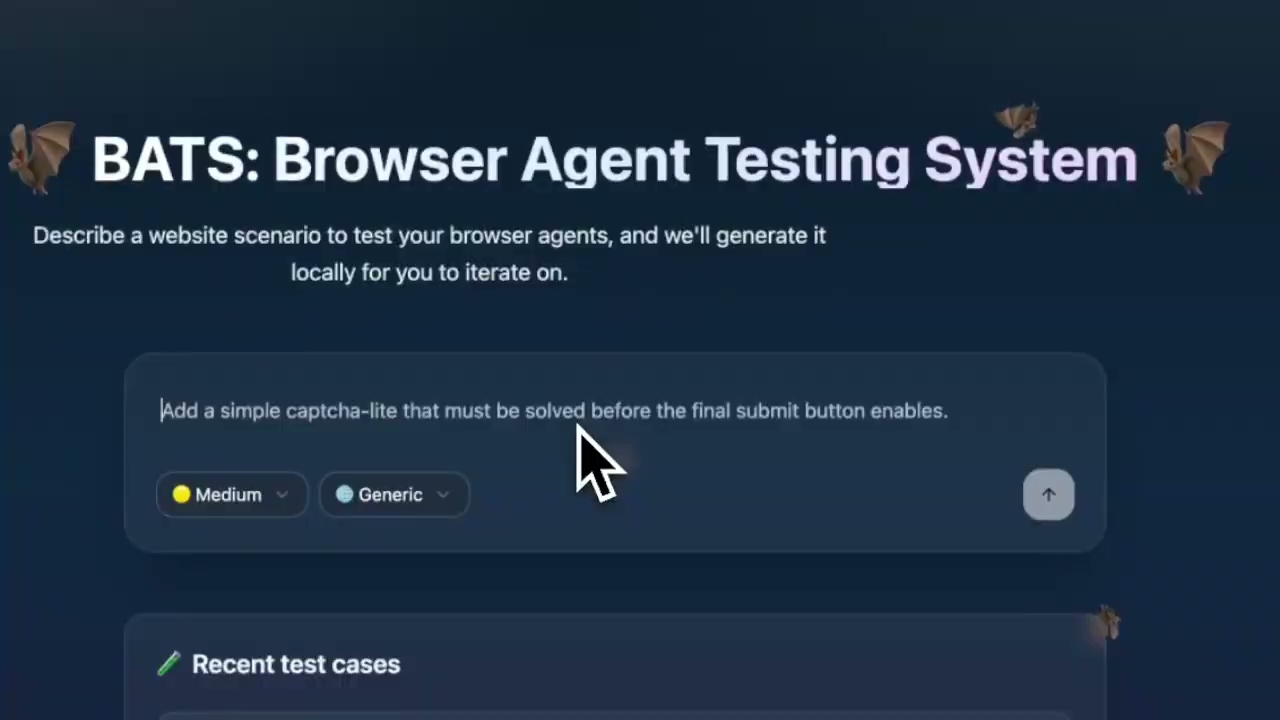
BATS (Browser Agent Test Suite) — an open-source harness for stress-testing browser agents. You describe a scenario (“checkout process with credit card info in iframes + random popup”), and GPT-5 generates a realistic single-file test site and an agent prompt. Agents try to fulfill the task on the generated page with the instructions and the platform tracks the time they need, the type and amount of interactions, and if it fulfilled the task successfully. Additionally, the platform has an adversarial agent that tries to make the task more difficult for browser agents by e.g. injecting buttons with confusing labels.
GPT-5 enabled edge-case + frontend testing platform that autonomously navigates and stress-tests web applications like a power user and security researcher. It automatically uncovers, reproduces, and reports failures—boosting coverage, speed, and security without extra developer effort. The problem statement we had in mind: Manual QA testing after every feature release is slow, tedious, and still misses critical edge cases. In our own projects, we’ve hit disasters like spending hours clicking through pages after each update, or discovering that an app was happily console logging every user’s email and password.

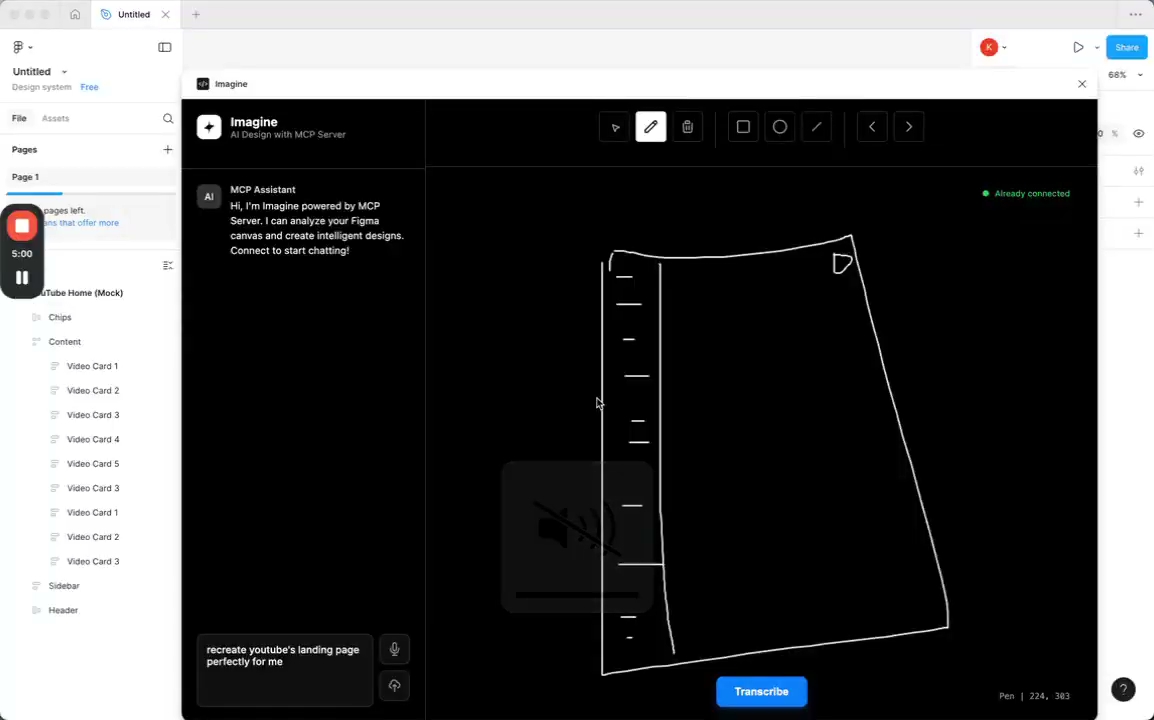
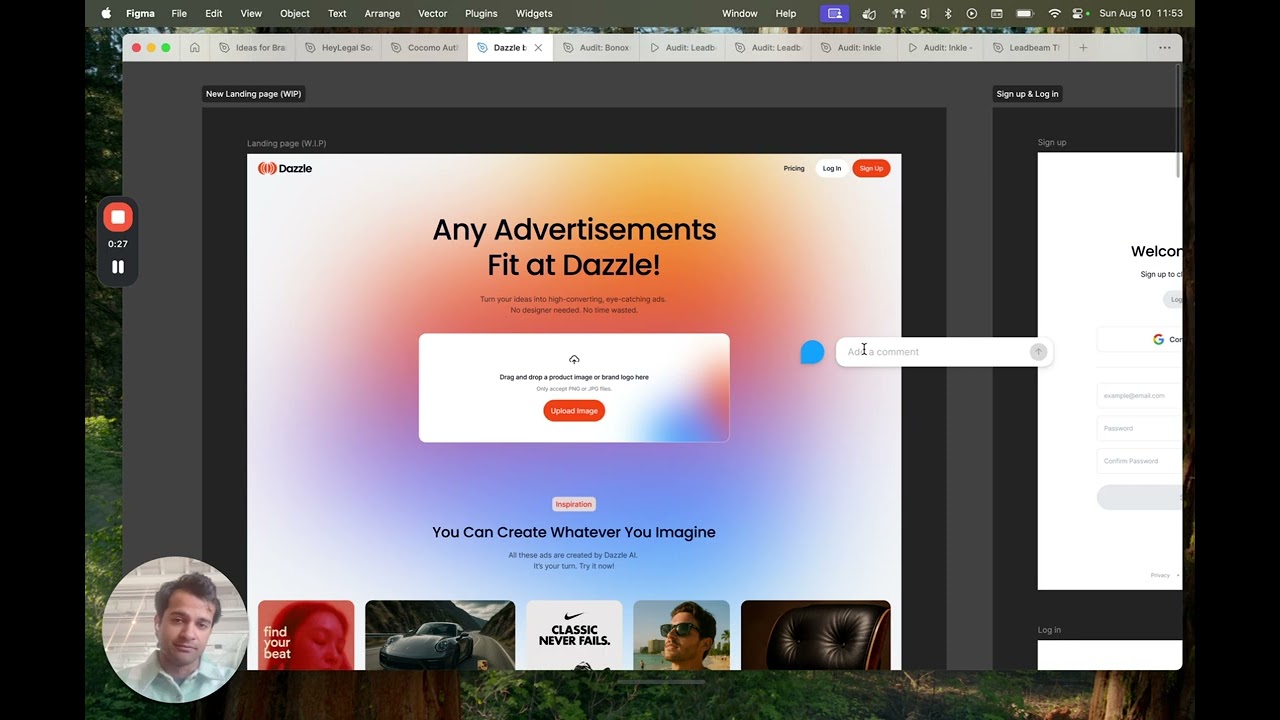
A transformative Figma plugin that enables natural, multi-modal conversations with an AI designer. "Cursor for Design". Users can communicate their design ideas through voice, text, or hand-drawn sketches, and the AI responds by generating and modifying design elements in real-time.
Gullie is helps plan, manage end to end relocations, by replacing relocation consulting companies. It is a vertical supply chain of relocation vendors connected to a multi agent chat interface and. The agent's response UI will be generated dynamically on the fly based on the output of the model, to showcase information and visuals in a more easy to interact with way.
A feature which let's an AI develop and inject MCP servers into webpages as userscripts. This MCP server can then be used by GPT-5 via the mcp-b chrome extension. I built the userscript repo which the cursor gpt-5 agent can use to test it's userscript script webmcp server. Then i built out the bridge to let the agent upload the script to the extension so the extension agent can use the tools for that website
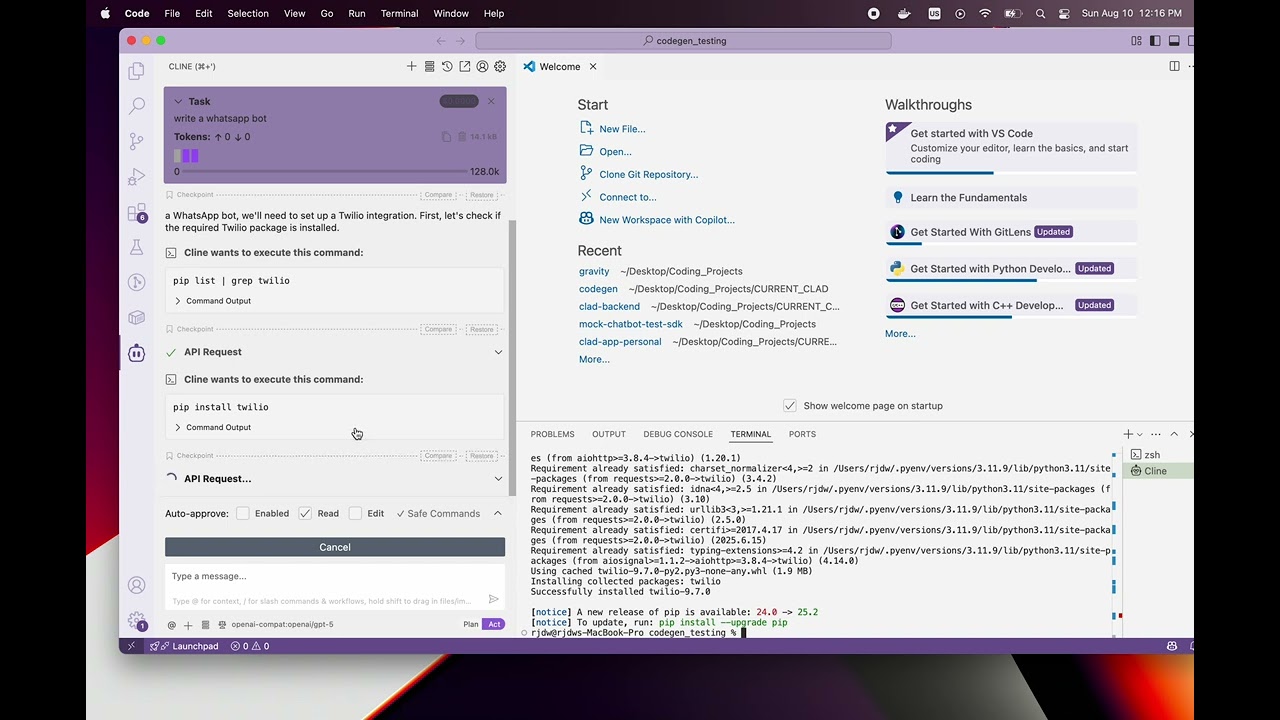
OpenAI's Codex CLI is the best way to run a GPT-5-powered agent. But there is no SDK to run it programmatically, like there is for Claude Code. We forked OpenAI Codex and built a TypeScript SDK, so that GPT-5-powered agents can be spun up using code. We then used the SDK to power our AI agent, Locadex, which does internationalization in complex codebases using GPT-5.
Botaflow is a copilot for frontend development that lets anyone, especially people who don’t code, build and validate app flows through a guided experience. It integrates into cursor through an MCP, then uses GPT‑5 to generate production‑ready Maestro tests with correct context-free grammar. You can import screens or connect to a build and instantly get readable YAML tests. It also supports visual diff reports to spot UI regressions over time, being useful for experienced devs as well as our no-code friends. Outputs are human‑legible, version‑friendly, and easy to share across product, design, and QA, turning ideas into executable coverage in minutes and helping teams accelerate onboarding, regression safety, and release confidence without writing a line of code.
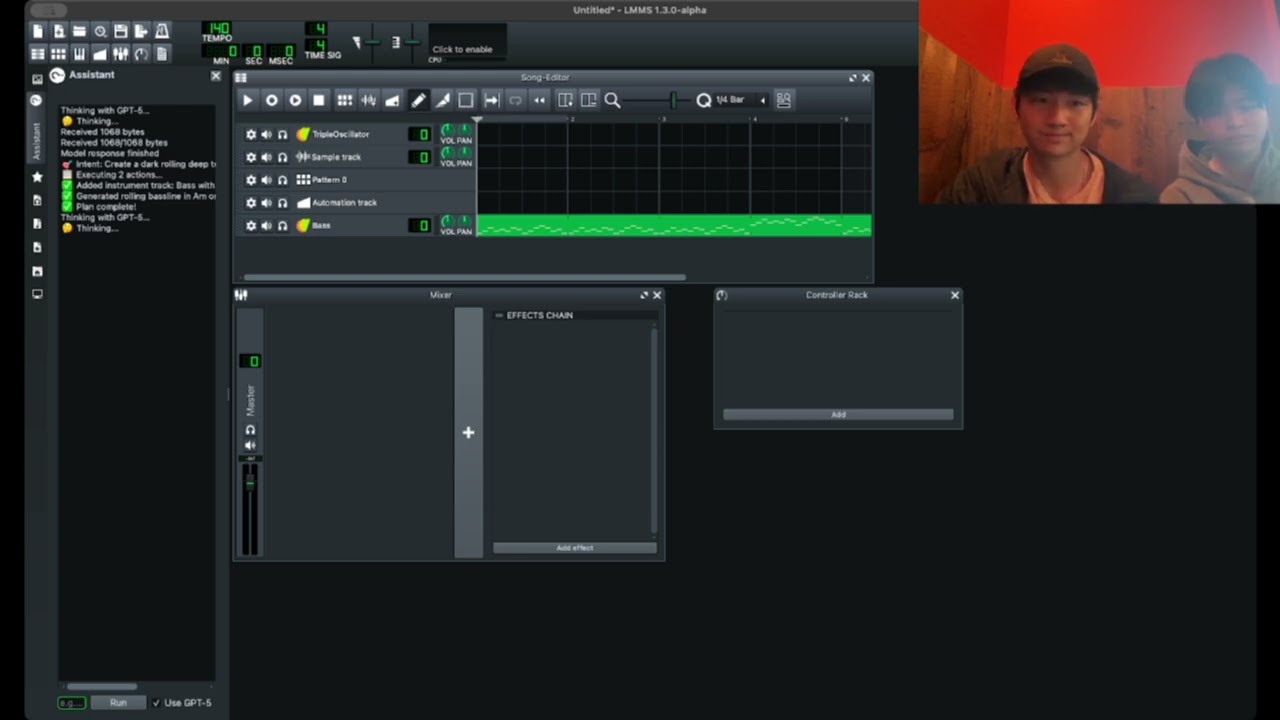
Have you ever had a cool hardware project idea that you wished you could build without any engineering training? Do you have a 3D printer or hobbyist tools at home that are gathering dust? Have you ever dreamed of being able to say: “Build me an underwater drone from scratch?” Introducing: Napkin Labs, your personal team of specialist engineers, fully at your service. To build your underwater drone, the Napkin Labs team will work with you and do the heavy lifting. Watch them crunch the numbers, run engineering simulations, design printable 3D parts, find usable, in-budget, off-the-shelf parts, and hand over a step-by-step IKEA-style build guide. Build into reality with Napkin Labs!
GPT-5 can spin up apps in a single shot — but most end up buried in chat threads, unused. I’m building the personal app store for individuals. It has two parts: 1. App creation & launch — Build an app with GPT-5 and reasoning support, then configure it to run on demand. 2. Personal data repo — A Chrome extension that captures your content (e.g., saved tweets) into your own data repository, where you can read and interact with it. We’ll add adapters for other platforms, steadily growing your personal dataset.
I ended up using GPT-5's new capabilities to generate just-in-time interactive experiences for advertisements: think publishing a mini-game that references events that *just happened* in your favorite show within *minutes* of it airing. These experiences are then tied to short ad campaigns launched *right* as the community start talking about the show. The goal was encouraging a viral loop as a mass of people and notice the ads are seemingly joining in on the conversation!
Market research assistant for amateur traders. The goal of this app is to help me access the market information and come up with a profitable training strategies. It’s the tool that makes backtests extremely accessible for anyone without coding abilities. It uses GPT-5 reasoning to come up with the research plan. Do the actual research to pull relevant information regarding the right entry and exit times. Then it uses this research to compose the backtesting plan that's passed to run the backtest programmatically
Vibe Designer is a Design Agent that turns any GitHub repo into a visually stunning, on-brand product with colored themes —instantly. You give it any repo—whether it’s a fun side project or a live production app—and Vibe Designer, powered by GPT-5. Our own development was accelerated by GPT-5—we used it in Cursor to scaffold the project, build the UI, and construct the agents that power the refactoring. Today, we’ve covered color themes. Tomorrow, we’ll expand to motion design, typography, button styles, and complete component libraries—so you focus on the core workflow, while the AI handles everything for your product aesthetics. Coding is cheap nowadays, stunning design and viral marketing stands out. And we are supporting that.
Have you ever had a cool hardware project idea that you wished you could build without any engineering training? Do you have a 3D printer or hobbyist tools at home that are gathering dust? Have you ever dreamed of being able to say: “Build me an underwater drone from scratch?” Introducing: Napkin Labs, your personal team of specialist engineers, fully at your service. To build your underwater drone, the Napkin Labs team will work with you and do the heavy lifting. Watch them crunch the numbers, run engineering simulations, design printable 3D parts, find usable, in-budget, off-the-shelf parts, and hand over a step-by-step IKEA-style build guide. Build into reality with Napkin Labs!
Invisible Chroma-DC Watermarking (Prototype). We embed pilots + payload by nudging U/V chroma DC in fixed ROI blocks. Bits repeat across frames; decode uses pilot correlation with polarity flip and majority vote. The current decoder subtracts background (wm−bg). The notebook reports BER pre/post-encode and Δsize for IVF/MKV/WebM to quantify robustness vs. bitrate cost. Deepfake angle (today): this is not yet a cryptographic proof of authenticity. It’s a robustness watermark that lets us run provenance experiments: synthetic/edited segments often degrade the pattern—pilot correlation drops, BER spikes, or bits go missing—providing a practical signal to flag or down-rank at ingest. Roadmap: swap random payload for signed fields (stream ID, timestamp, rolling hash), add near-blind/pairwise decoding (no background), and wire real-time gating with monotonic-time checks.
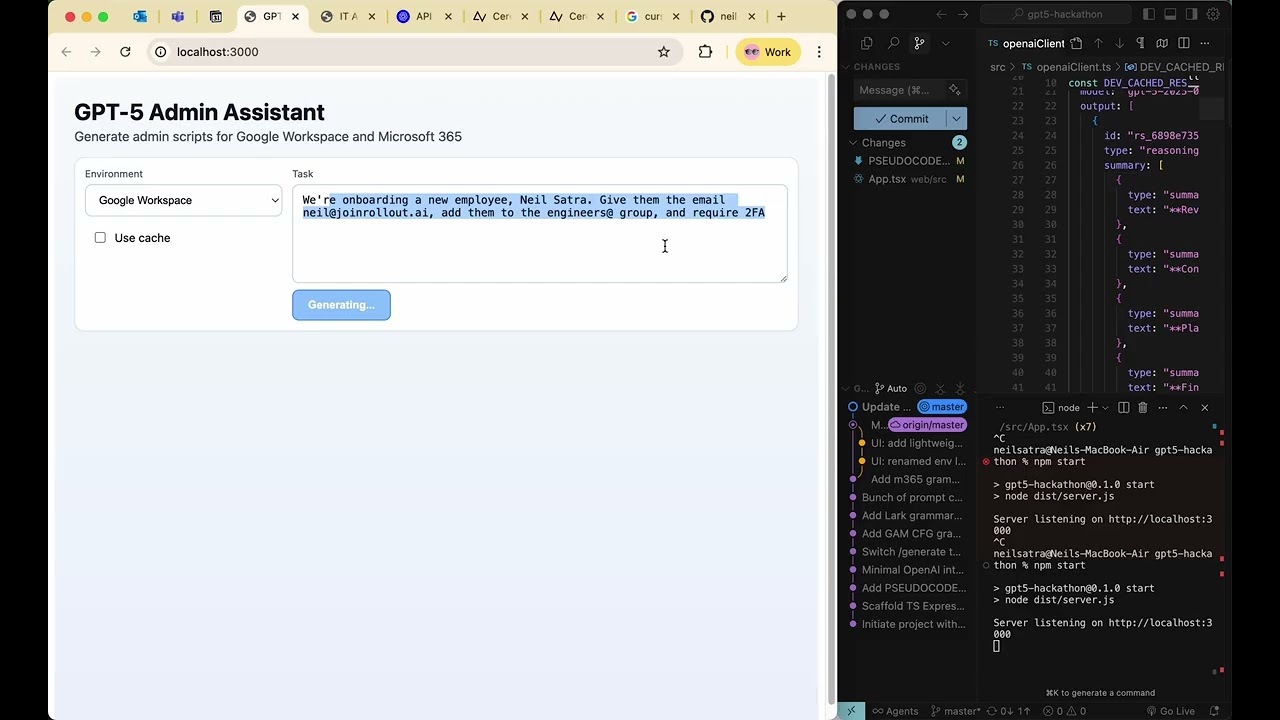
We help IT admins automate supporting their small business users. One task is to analyze a support ticket, and generate a script to resolve it by taking actions such as creating new users, assigning them SaaS permissions, etc. But before GPT 5, you risked running "sudo rm -rf" as root. With GPT 5's CFGs for tool calling, and plain text outputs, it's now possible to design a grammar of safe commands to call. This app demonstrates accepting a task from the user, getting any required parameters from them using a generative UI, then generating a script that can be executed, and explaining the pseudocode using the tool preamble.

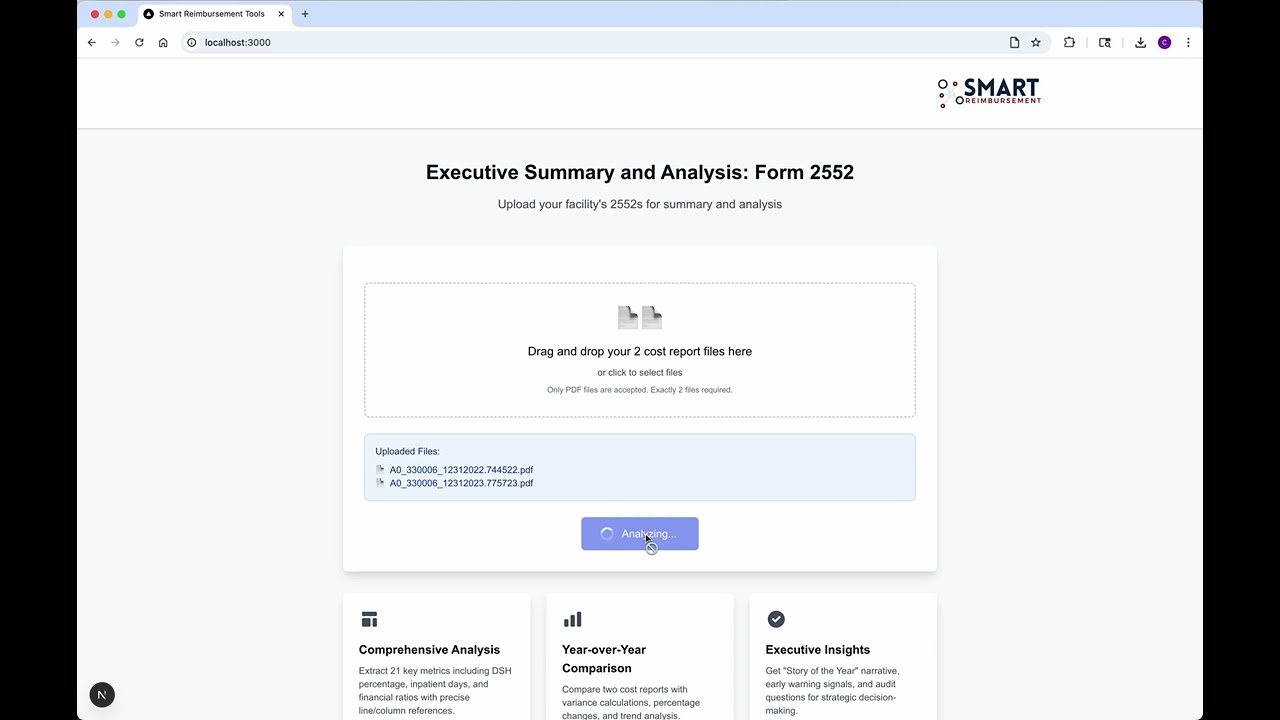
An enterprise agent that executes large document/data workflows by emitting tiny, sandboxed Python against a typed, allow‑listed SDK—batching/paginating work and streaming every tool action for audit and compliances like HIPAA and SOC2. Problem: Per‑item tool calls don’t scale (most default agents); black‑box autonomy fails governance and security (Manus , OpenAI Agent mode, etc). Solution: Restricted Python plans + typed I/O (validation) + sandboxed execution + live tool‑event stream. MVP (hackathon): Runtime that installs a minimal SDK and runs agent‑authored main(), with basic tools with streamed start/complete/error events; human‑readable call summaries. Demo: “Rename 4000 files based on their content and check for collision” → Agent‑E emits a short loop → executor runs it end‑to‑end with live progress. Positioning: Like OpenAI Agent Mode and Manus, but glass‑box: auditable code plans, enforceable tool allow‑list, resumable batches for enterprise workloads.
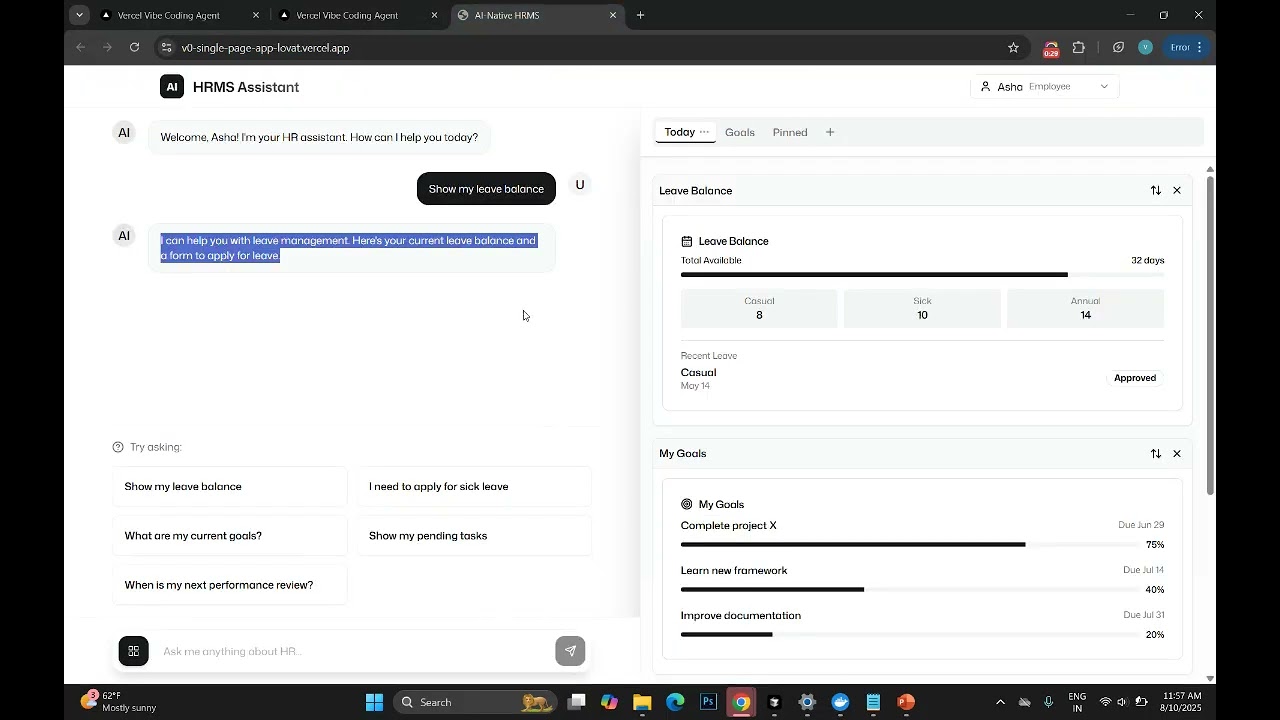
Club Coop is a grocery deal & discount agent for consumers. Our assistant Cooper scans weekly circulars/public discount sources from nearby retailers & generates a personalized savings report based on user preferences (brands, items, stores.) What we built: Onboarding & preferences. We used ChatGPT 5 to overhaul the onboarding flow and wire it to our backend so user preferences are captured and stored reliably. The Cooper agent. We used ChatGPT 5 to create Cooper, which interprets your preferences and queries local deal data to assemble a customized report of best prices and discounts in your area. Data & storage. All database connections are handled with code we generated and integrated via ChatGPT 5, using Supabase as our primary datastore for users, preferences, deal snapshots, and weekly reports.
We built an AI medical geneticist that can reference >50 biological databases with GPT-5's improved tool calling.
A Support Agent and an assistant to aid farmers to manage their product catalogs and handle agentic workflows via email, text, and chat. This is the PR in our Private repo: https://github.com/tracthq/farmhand/pull/3518 We added Ray as a collaborator with Read access.
TaxMCP is a GPT‑5–powered 1040 tax calculation engine and benchmark harness. It orchestrates GPT‑5 with tool calls to authoritative IRS data (exact tax table lookups), evaluates outputs against TaxCalcBench TY24 ground truth (strict/lenient), and packages a reproducible CLI + MCP tool server.
Bleu AI Bleuprint is a drag-and-drop, multimodal workflow builder powered by GPT-5 that lets users design complex AI pipelines without coding. By simply describing a desired outcome in natural language, GPT-5 generates and configures a graph-based workflow connecting text, image, video, and audio models. Users can also drag and drop components by creating nodes (AI models) and edges (context sharing). The system supports multi-step reasoning, context awareness, and structured outputs for easy integration. This project simplifies building end-to-end, agentic AI backends, traditionally a complex task requiring tools like LangChain, by providing a no-code interface where each node is a model and edges represent communication. By abstracting workflows into a single JSON format, it enables reliable, automated design and deployment of sophisticated AI workflows with minimal human effort. This means that vibe-coding a complex agentic workflow through our abstraction is now possible.

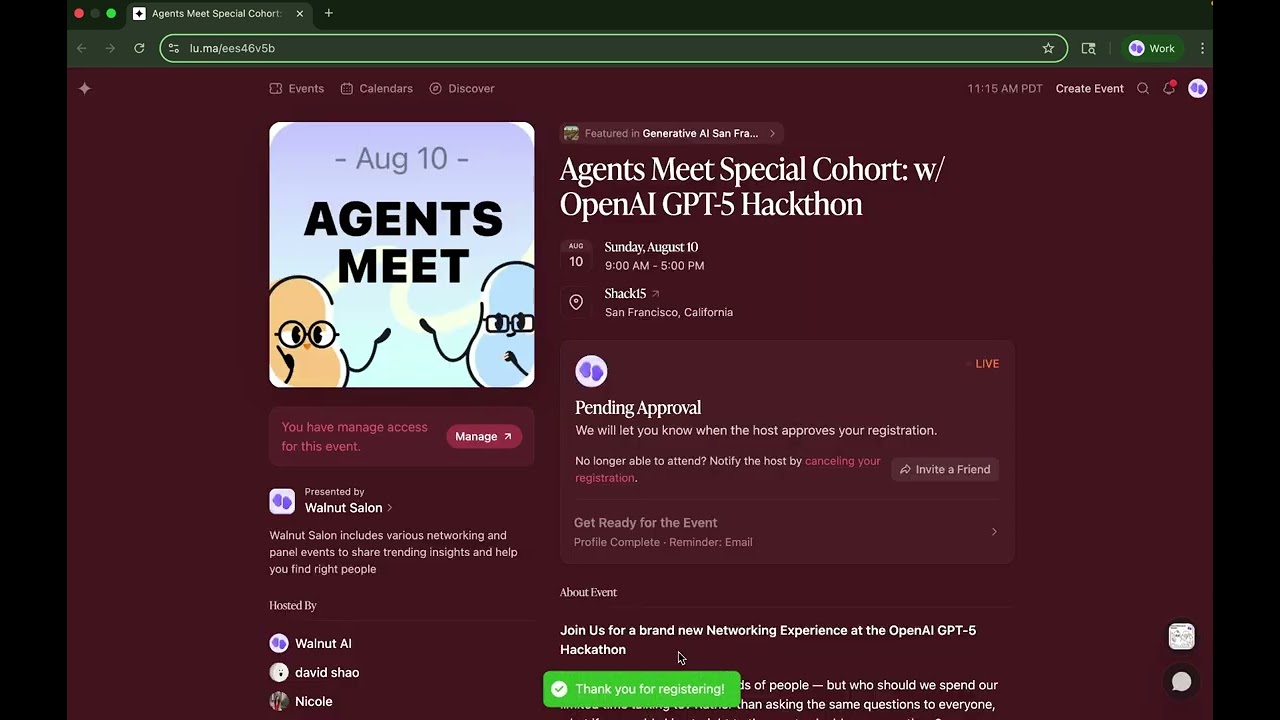
In this hackathon, we built a small match making system for hackathon builders. Attendees share their Linkedin profile, goals and superpower with us, and we build personal AI agents, let their AI agents talk with each other to find perfect matches. Due to the limited time, we use Luma to collect attendees' personal info.

I built Launchkit, an easy way for founders to launch on day 1 without marketing experience. Enter a URL and get launch campaign collateral and execution help at your fingertips.
AI-powered, browser-native game engine for building high-quality 3D worlds and physics simulations — instantly, from a prompt. It repurposes Bolt.new from website generation to real-time Three.js world generation, integrating: Needle Progressive GLTF for streaming environments & characters from the cloud Dynamic Physics Engine Switching — from lightweight (Cannon) to heavyweight (Rapier, Havok, PhysX WASM) for fidelity control VRoid / GLTF Avatar Support with rigging, retargeting, ragdoll physics, and third-person controllers Action-based AI World Builder that can spawn, edit, and reconfigure a scene in seconds
Analyzing MRIs with GPT-5 and modeling tumor proliferation through generative models.
We're building agents to agents communication for software procurement, outsourcing all teh back and forth, with human figuring in only for the final payment. Our agent Ava talks to another agent River to hash out the details and then get back to human with the next steps and a demo date with the right software .
PermitPal is a chat-first permitting assistant for San Francisco residential renovations. Powered by ChatGPT-5, it asks a few targeted questions to determine whether your project qualifies for Over-the-Counter (OTC), then collects the minimal confirmations to auto-fill the required city disclosures and forms—delivering a downloadable PDF in minutes. Users can upload documents right in chat, get a clear readiness checklist, and skip the guesswork and paperwork shuffle.

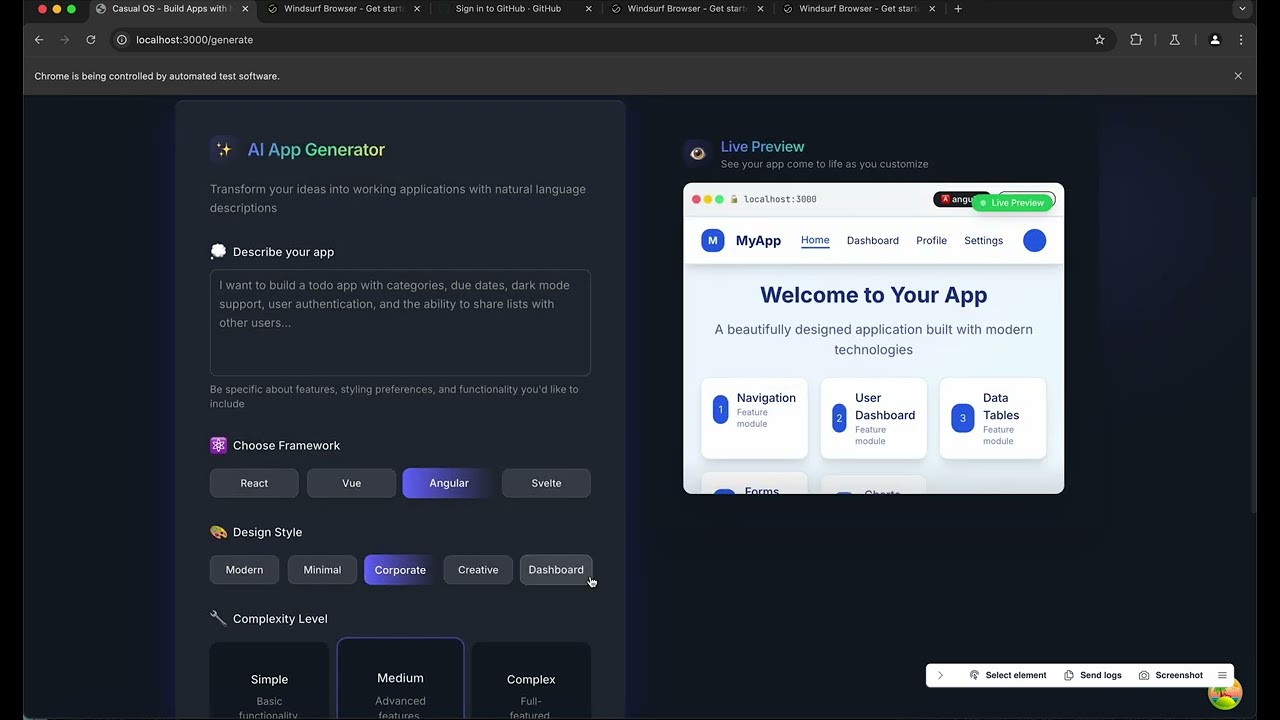
Casual OS is an AI platform that turns natural-language specs into production-ready apps—and runs them safely at scale. It auto-generates architecture (DAG), code, tests, and a policy manifest (egress allowlists, data handling, budgets, SLOs). Apps execute in a zero-trust sandbox with audit logs, monitoring, and deterministic replay. A visual editor lets anyone refine UI/flows; developers can export clean TypeScript. Publish to a trust-badged marketplace with monetization. On the same platform, Casual Play enables rule-editable, competitive games (e.g., chess variants). Creators define rules in a safe DSL compiled to a deterministic, server-authoritative engine with fairness checks, anti-cheat, and replay/appeals. Skins and rules ship separately, so players customize looks without breaking integrity.