Skip to Main Content

Recursive Computer Use is a local-first desktop automation harness that enables AI agents to execute tasks on your computer, verify outcomes locally, and capture privacy-filtered evidence to improve future runs. Policy changes are tightly controlled and must pass deterministic evaluations before being accepted. It uses MongoDB as a shared memory layer across agents, allowing knowledge and experience gained from one task to be reused by others. As a result, each completed task helps accelerate future executions across all agents connected to the same memory database.

Team

passlhnm

Awards

More from The Harness Engineering & Model Wrangling Hackathon

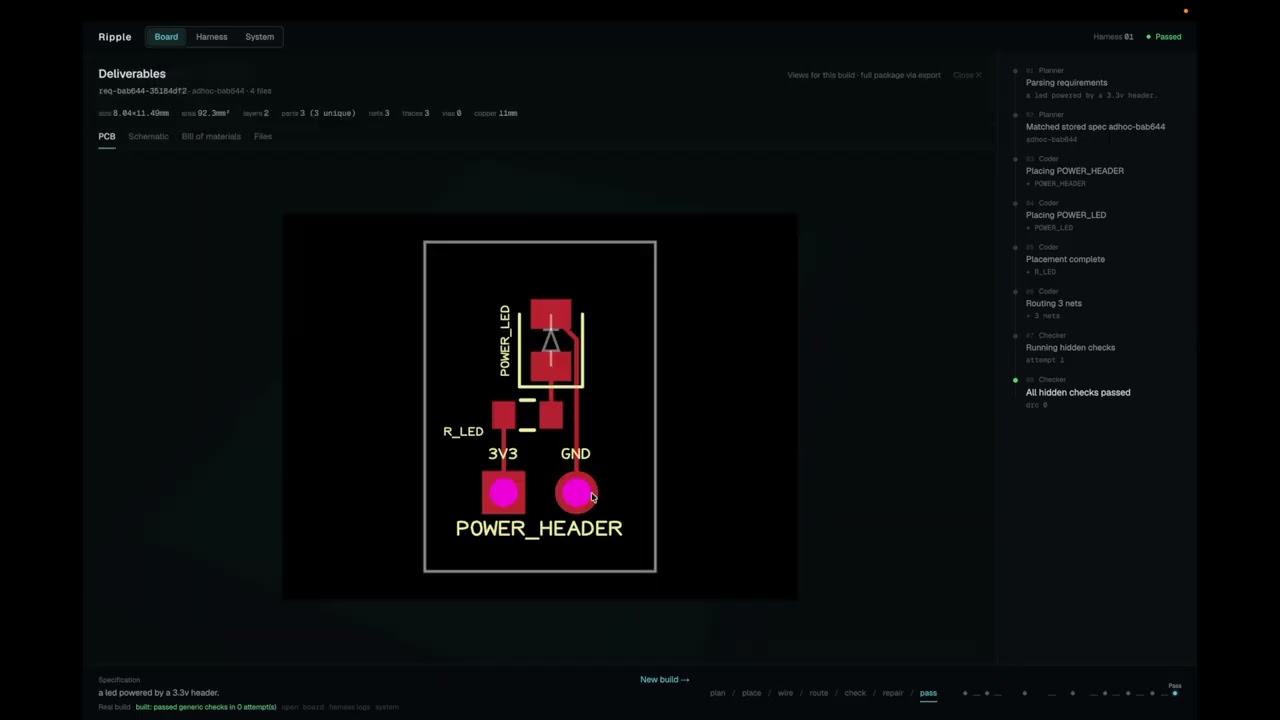
Ripple designs circuit boards from plain English, grades them against hidden checks, and evolves its own harness from the failures, going from 0/4 to 3/4 on…

Ripple project preview

Offload learns the work you repeat, so next time you can hand it over. Its engine, REM (Replay · Evolve · Merge), is an agent harness with a day/night cycle…

Offload project preview

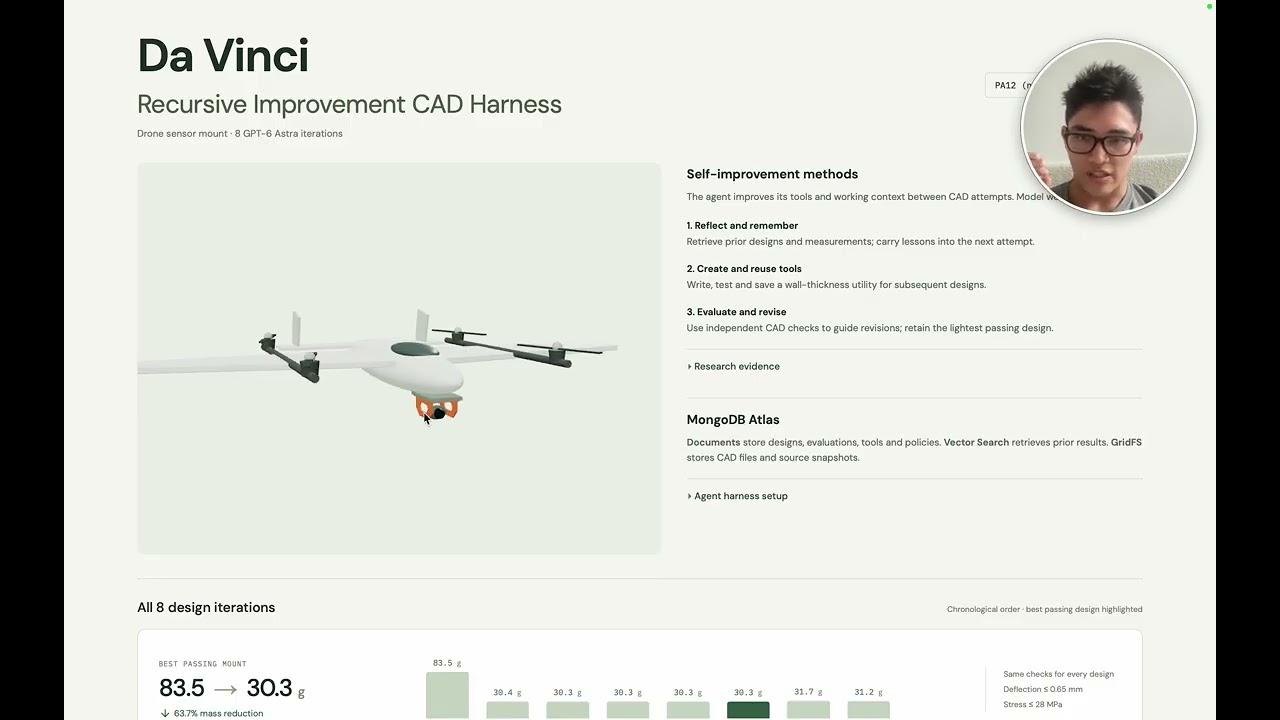
Da Vinci is a recursive improvement CAD harness designed to support physical engineering tasks through specialized AI agents, programmatic CAD and automated…

Da Vinci: Recursive Improvement CAD Harness project preview

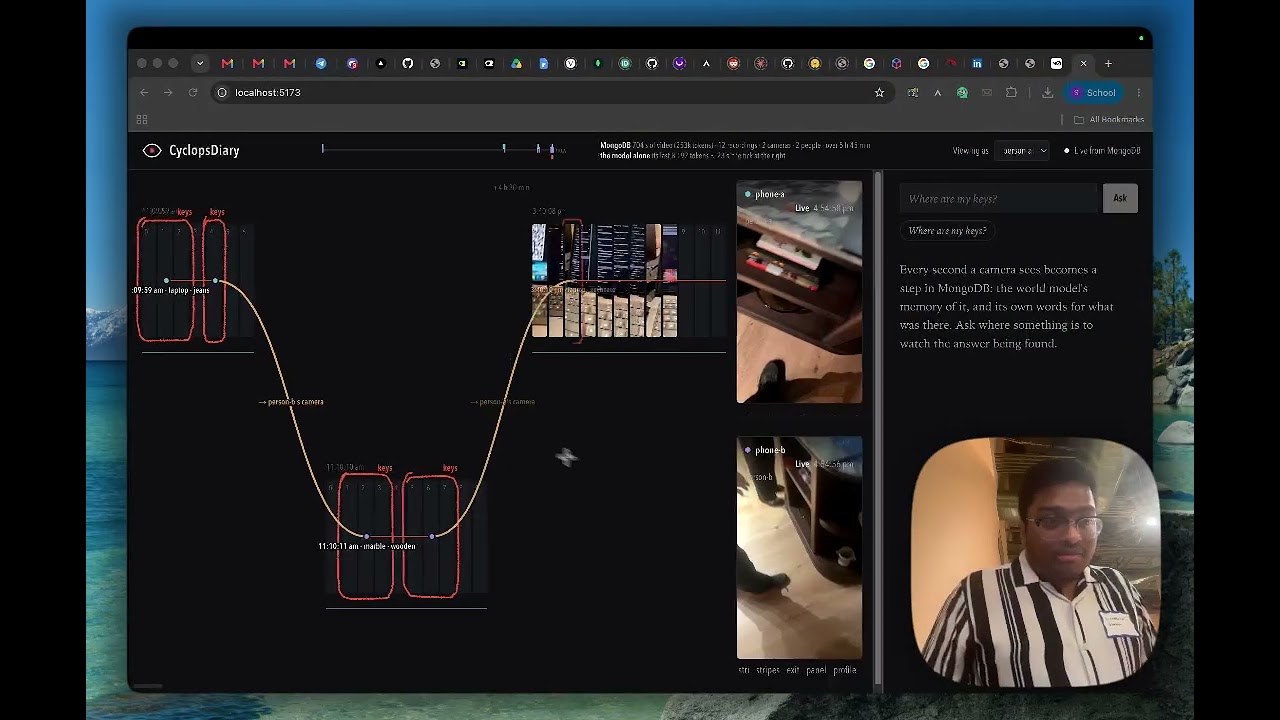
CyclopsDiary gives factory workers wearing Meta AI glasses a shared memory of the floor. Every worker's glasses feed one MongoDB memory that keeps what was…

CyclopsDiary project preview

A harness that teaches itself what context to show Jev, TypeSafe's fast decision model, proves the result on a storm it never saw, and can't cheat because…

Sightline project preview

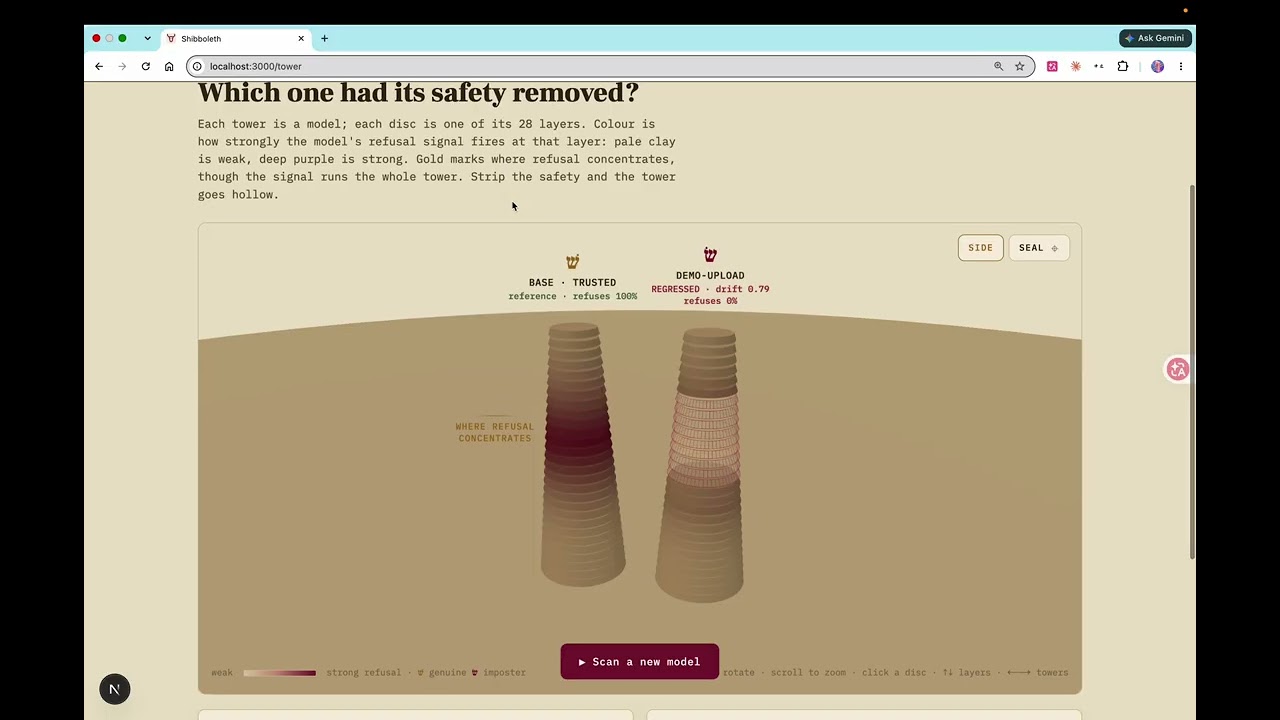
Shibboleth is a harness trust layer for open-weight AI models. Anyone can download a model, quietly strip out its safety ("abliterate" it), and re-upload it…

Shibboleth project preview