pbf.codes team
Built at Meta Global AI Developer Hackathon · Oct 26, 2026 · Remote
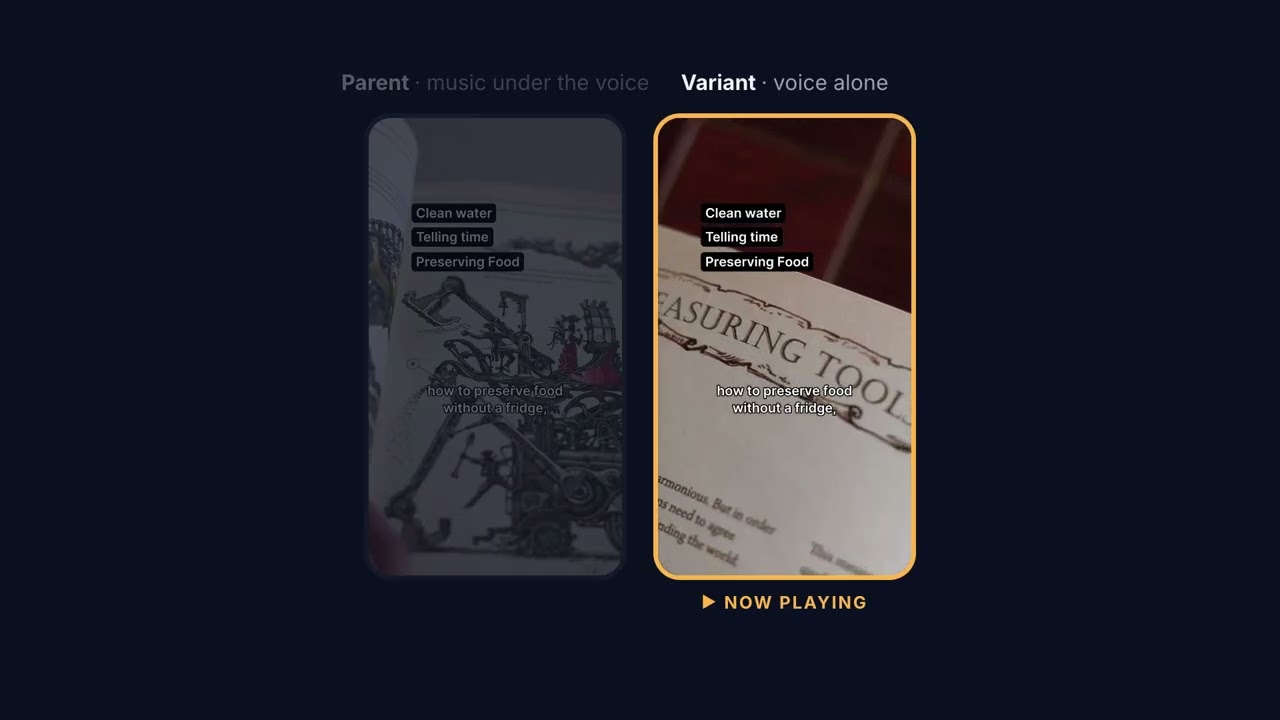
Adsect tells a Shopify brand running Meta ads which elements of its ads drive purchases. It then proves each one with a controlled test that changes exactly one thing. The problem: Meta reports results per ad, not per element, so creative teams guess whether it was the hook, the music or the moment the product appears. Comparing ads doesn't settle it, because Meta's delivery shows each ad to different people. And AI-generated variants change many things at once, so a test of one can't say what worked. Adsect runs a loop: - Decompose every ad into named, editable features: who's on screen, when the product appears, shots, captions, voice, music, claims and topics. - Learn which of them go with purchases, with delivery controlled for. - Fix: make a variant that changes one element, then re-analyse it to check nothing else moved. - Verify with a test plan sized from the ad's own orders and set up against divergent delivery. Nothing launches without the merchant's approval. It runs on a real account, Hungry Minds (with their consent), a book publisher: 1,486 creatives decomposed into 571 named features, against $1.57M of Meta spend and 18,511 orders over 90 days. It's honest about what that data can show. On this account creative features didn't predict sales better than delivery did, so findings stay labelled as patterns and Adsect turns them into tests. In the demo, Adsect removes the music under one real ad's voice, confirms only the music changed, and sizes the test that can tell whether it matters. Built during the hackathon (Oct 27 – Nov 4) on Cloudflare Workers, Workflows, Queues and R2, with Python jobs on Modal, a React dashboard and a Slack pre-flight check for the team's new videos.