The Magic Table
Built at Meta Global AI Developer Hackathon · Oct 26, 2026 · Remote
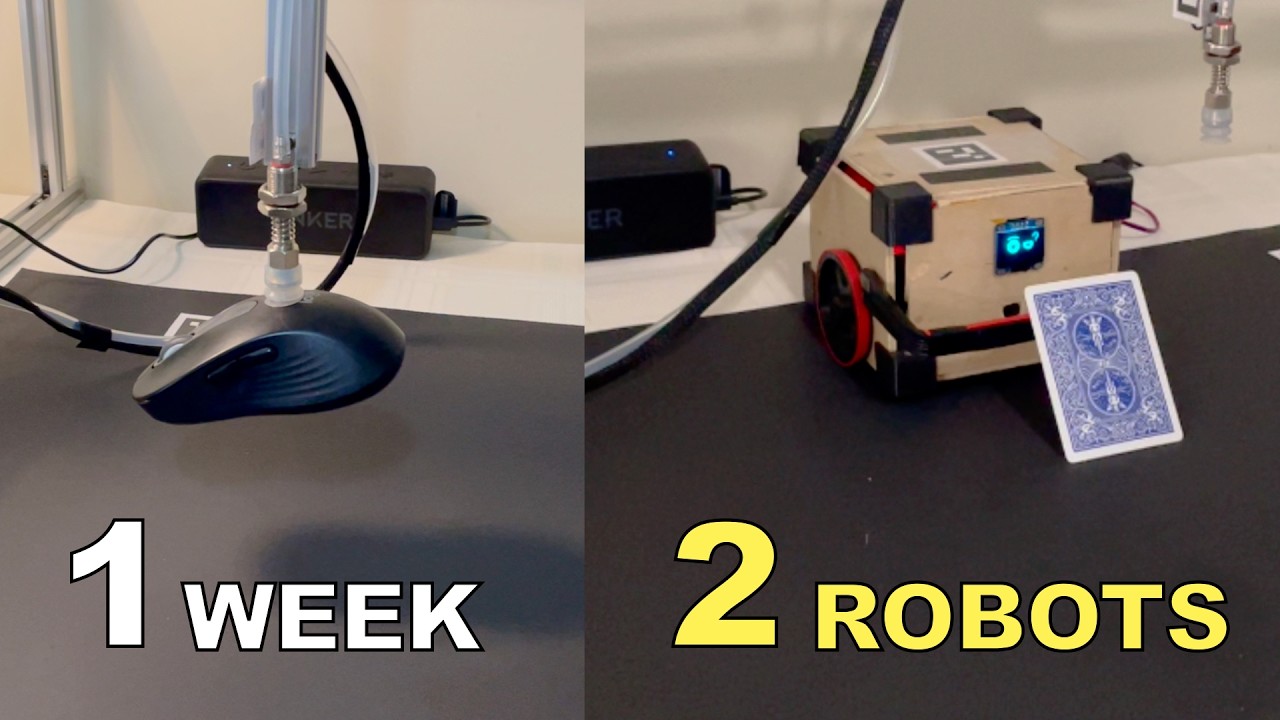
The Magic Table is a tabletop where Meta's Muse Spark plays a real game of Texas Hold'em against a person, using two small robots that couldn't play alone. Crane, a salvaged CNC gantry with a suction cup, can place a card or chip almost anywhere on the table, but it can't turn or flip anything. Esper, a small wheeled robot with a bent plastic knife for an arm, can peek at a card, flip it and turn it, but it can't lift anything. Muse Spark can see the table, read the cards and talk to the players, but it can't touch anything. Together they deal, bet, peek privately and reveal. Cameras feed a Raspberry Pi hub, Meta's SAM locates objects on the table, and board markers turn those locations into coordinates the robots can reach. Muse Spark controls everything through MCP tools, deciding each move and adapting to what it sees. The problem: getting AI to do useful work in the physical world usually means chasing one expensive, highly dexterous robot, such as a humanoid. That puts it out of reach for most homes and hobbyists. The Magic Table explores a different answer: cheap, limited machines that make up for each other's weaknesses, coordinated by an AI that can see and reason. It's built from a hobby gantry, cheap stepper motors and a plastic knife, and it's open source, so others can build on the same approach. Poker is the test because it demands precise handling, private information and real decisions. The bigger question is whether we need one super-dexterous robot, or a crew of simple robots that help each other.