CapyVerse
Built at Meta Global AI Developer Hackathon · Oct 26, 2026 · Remote
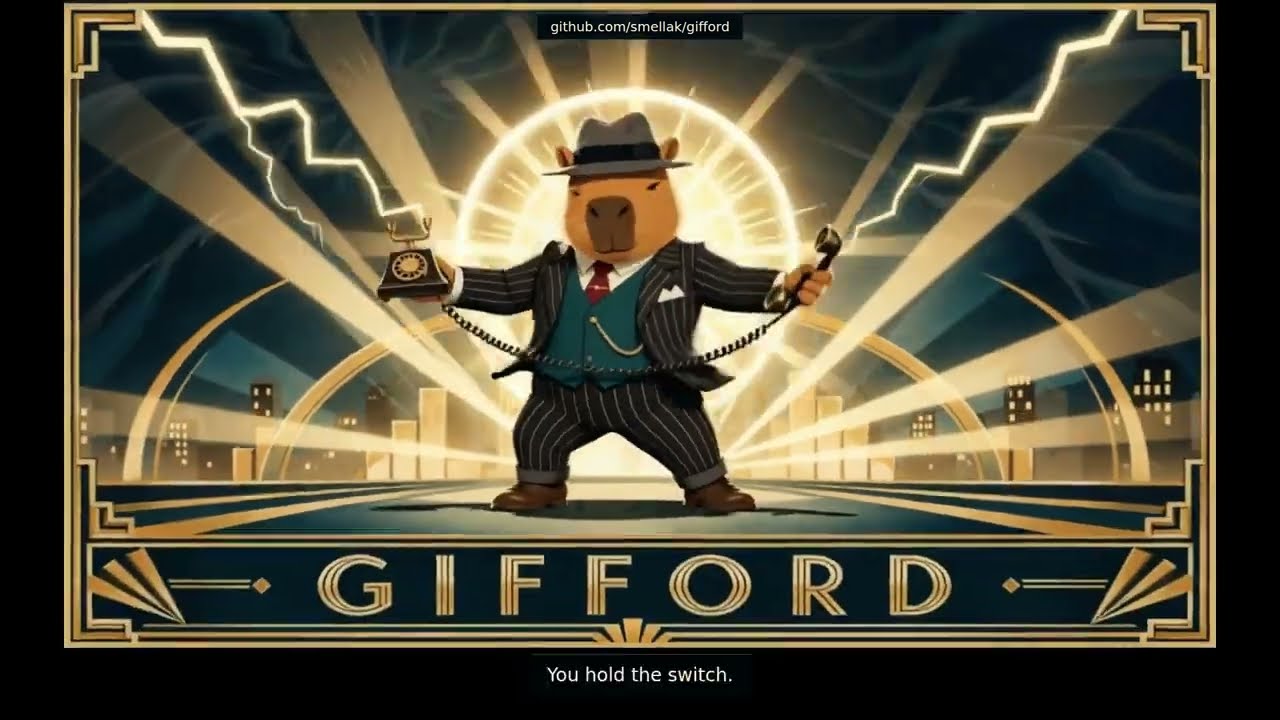
Gifford is a communication and coordination network for interactive coding agents such as Claude Code, Codex, Muse Code and OpenCode. Today, these agents usually operate in isolated terminals. Users must manually copy messages, plans and reviews between them, while simple terminal notifications can overwrite an unfinished human prompt, submit incomplete instructions or accidentally interact with a permission dialog. Gifford gives agents a persistent message bus through MCP, allowing them to send, read, acknowledge and reply to messages locally or across authenticated nodes. A PTY proxy controls the terminal write path, while the Human Draft Guard detects when the user is typing and prevents automated notifications from competing with the keyboard. The message content remains inside Gifford. The terminal only receives a short notice telling the agent to retrieve the message through MCP. Muse Glimmer acts as Gifford’s semantic Analyst. It reads a bounded and redacted terminal view and classifies whether an agent is idle, thinking, running a tool, waiting for approval, asking a question or unavailable. We also trained a task-specific LoRA using labelled terminal traces. Glimmer provides semantic understanding, while deterministic guards retain final authority over every terminal write. Gifford also gives the human direct control over communication. Channels can be paused, resumed or disabled globally, per agent or between specific agents. Every message, decision and delivery is recorded for auditing. The result is safe and auditable colaboration between coding agents, across terminals, users and machines, without replacing their existing interfaces and without taking control away from the human.