Player Two
Built at Meta Global AI Developer Hackathon · Oct 26, 2026 · Remote
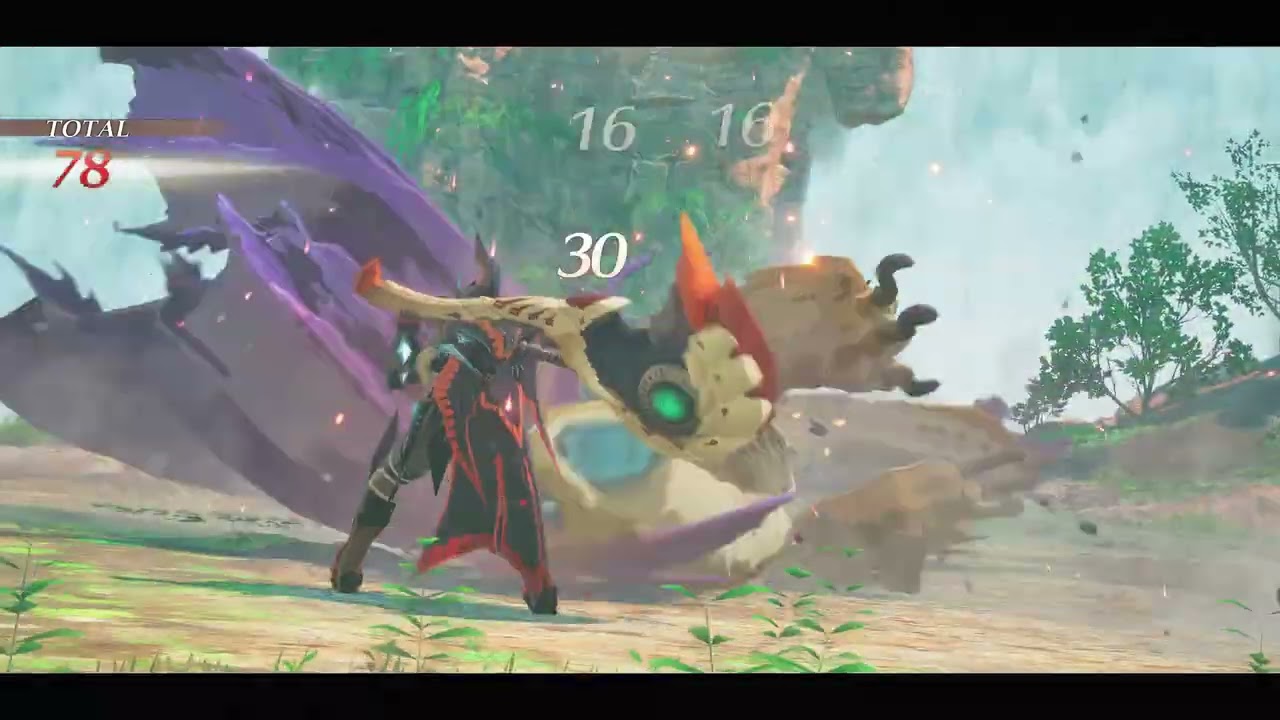
Player Two is an AI co-op partner for people who can't see the screen or can't hold a controller. You say its name and ask. It looks at the game, tells you what's happening, answers questions, and presses the buttons when you ask it to. Say stop and the game is yours again. The problem: games don't come with a friend. A gamer with sight loss told RNIB in 2022 about a phone game: "I facetimed a sighted friend and she told me where to put my finger. In the end, I had to give up, as I couldn't keep calling my friend." In the same report, 92.2% of participants with vision impairments agreed they would play if games were more accessible (464 responses, a self-selected online survey). Player Two aims to be the help you can ask for at any hour, in commercial games that were never built for it, with no mod and no help from the publisher. The demo shows four games. In Hollow Knight: Silksong, which has no voice acting, it reads the opening poem and describes the scene, unprompted. In Chrono Trigger on Steam, on a black screen, it tells you who's at 1 HP, then heals and fights its way to the win when you ask. In Monster Hunter Stories 3, Muse Spark reads the target wheel, and Player Two takes the fight and calls the monster's attack before it lands. In Red Dead Redemption, with no code written for that game and one line of notes, you ask what you can hide behind and where your horse is. Muse Spark decides what to look for, SAM 3.1 outlines it, each thing pings from where it is, and Spark answers from the outlines. It runs on Linux and Windows and drives a virtual gamepad or the keyboard, using only the screen and the game's sound. The film's requests are spoken in the developer's voice and heard hands-free through the wake name. Gaps are cut and marked, and speech and action play at 1x. No blind or motor-impaired player has tried it yet. The developer has sight and working hands. Player testing is the next step, and we won't call it accessible until players can judge it themselves. All of it was built during the event, starting Oct 27, 2026. The code is MIT licensed.