Tellwater
Built at Meta Global AI Developer Hackathon · Oct 26, 2026 · Remote
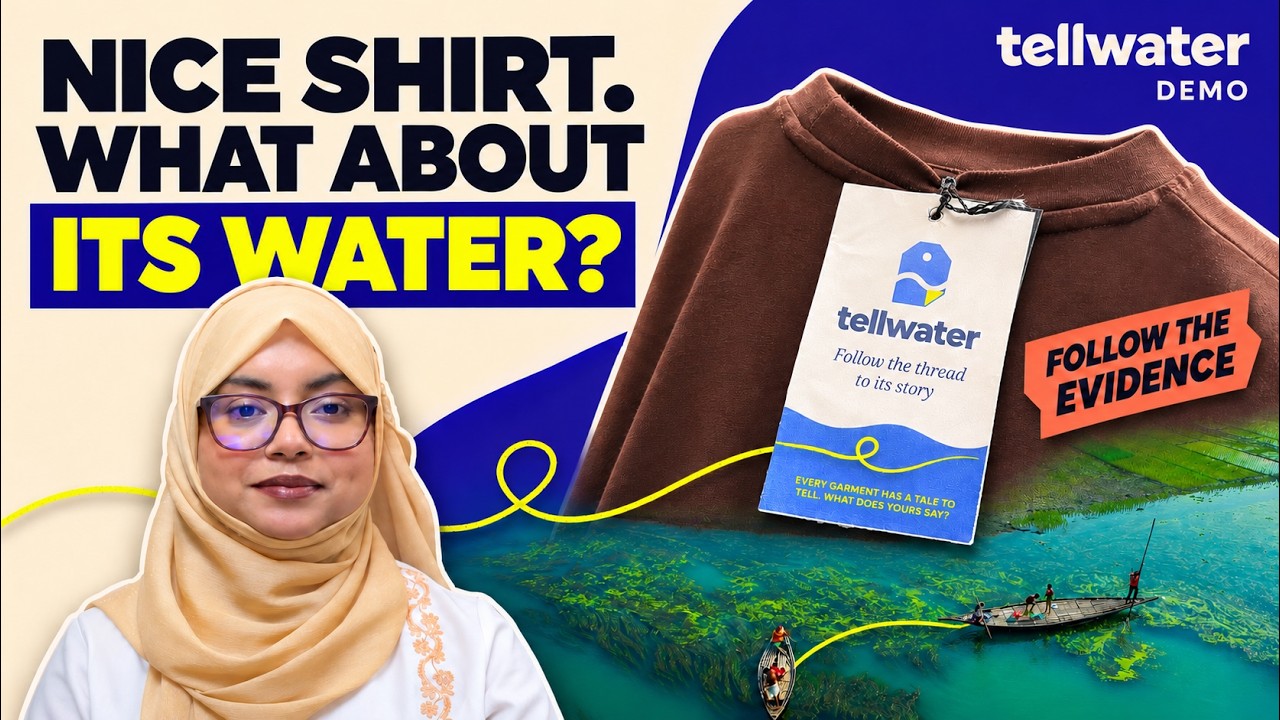
A garment factory says the wastewater from a dye run went through its treatment plant. Today a brand's reviewer can only check that claim on an audit day, from the factory's own paperwork. In Dhaka, where I grew up, the rivers show what happens when the paperwork is wrong. Tellwater checks the claim against the plant's own records: meter feeds, handwritten logbook photos, maintenance notes, meter photos and lab reports. Muse Spark investigates one check at a time, reads the handwriting and the photos itself, keeps every explanation open until the evidence settles it, and cites each record it used. It gives one of four answers: the evidence supports the claim, contradicts it, a review is required, or a record is missing. When a record is missing, it asks the factory for that one record instead of accusing anyone, and the factory can reply by voice in Bangla. A second reader, Muse Glimmer 30B, which I fine-tuned and published as open weights, reads every case again; if the two disagree, nothing is published and a person decides. A person signs every result, and the garment's QR code opens it for the shopper, who can read it in English or ten other languages. A guide answers questions about any case in twelve languages, including Bangla, and understands questions that mix them, such as Bangla typed in English letters. On 120 unseen simulated cases, with the system frozen before the test, Muse Spark was right, or asked for a record or a person, 112 times, with 8 harmful mistakes against 27 for rules alone. With both readers there were 4, and 25 cases went to a person for review. All factories and records are simulated; the investigations are real model runs. Before the hackathon Tellwater was an idea from my national case competition entry; everything in the repository was built from Oct 26 to Nov 4. Live demo: https://fariha-nirjana--tellwater-web.us-east.modal.run