Aftershock
Built at Meta Global AI Developer Hackathon · Oct 26, 2026 · Remote
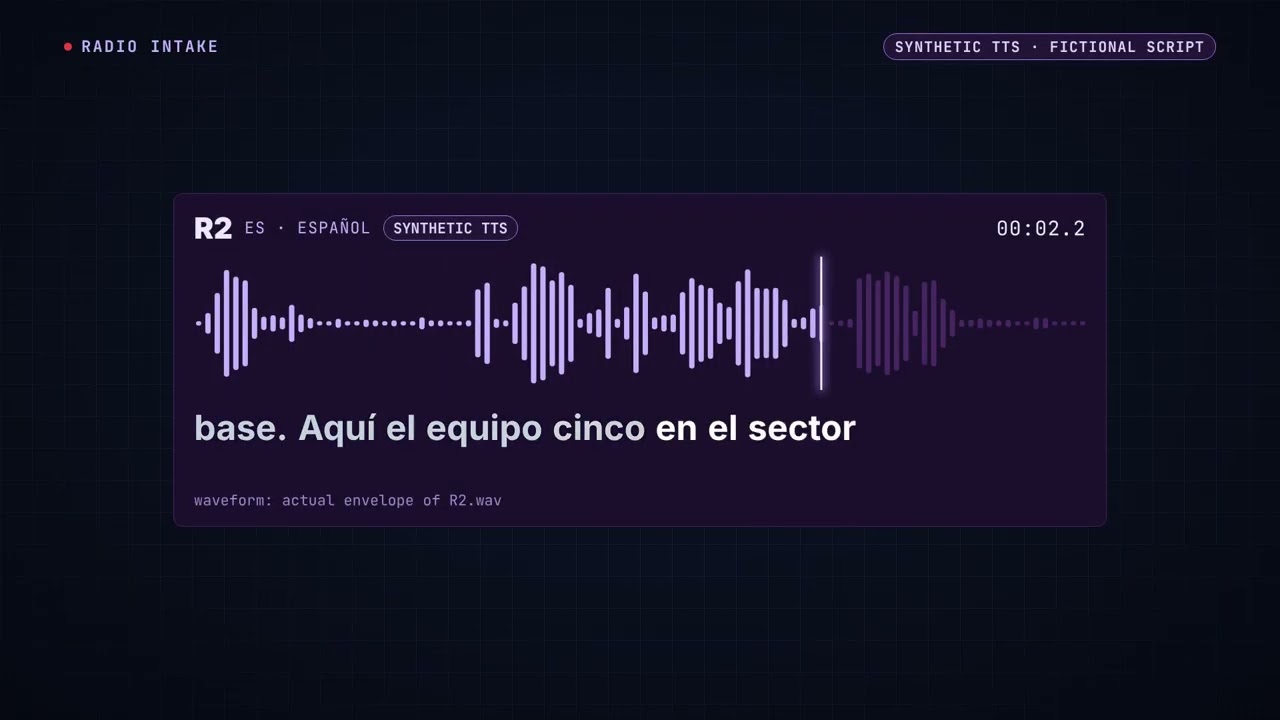
Aftershock is a disaster triage console for the first hours after a disaster. It turns a drone sortie and multilingual radio calls into one priority queue for the whole mission and a draft plan for three rescue teams, so responders reach the worst damage first and can see the evidence behind every item. How it works: - Every building, zone and radio call gets a stable ID (F03-B04, F03-Z2, R1), with its damage grade, whether two independent graders agreed, any review flags, and road-access evidence. - Radio reports of trapped people attach to the matching sector and raise its priority. Head-counts show the exact words they came from and stay marked "needs human confirmation" until a person confirms them. - Muse Wonder drafts the team assignments. A validator rejects any task that cites a missing ID, claims people with no radio report behind it, misstates a count, or claims a collapse with no severe grade behind it. A Tamper Test button shows those rejections live. Measured on 200 RescueNet buildings, and what each result changed: - Exact four-level grading is 66% accurate, but 95.5% of grades land within one level and severe-damage recall is 90%. Aftershock ranks by severe damage and never claims certified grades. - The error rate is 15% when the two graders agree and 43% when they disagree, so any disagreement raises a human-review flag. - The model's own "needs review" flag fired 0 times in 60, so review flags come from code instead. - SAM misses flattened buildings (it found 3 of 13), so zone scans look for destruction separately. Demo: - Live at https://aftershock.busy.one, with a precomputed 12-frame Hurricane Michael sortie (RescueNet, CC0) that loads instantly. - Run Live re-surveys a frame and re-plans with Muse Wonder, streaming every model call with its latency, tokens and cost. - The radio calls are synthetic TTS, labelled as synthetic everywhere they appear. What's next: the road to field use - Validate on more disasters and regions: earthquakes, floods, wildfires and cyclones, using xBD, FloodNet and new partner imagery, so the published accuracy numbers hold beyond one hurricane. - Run trials with real responders and a live drone feed, keeping the human-confirmation step for every head-count and every severe grade. - Add more radio languages and dialects through Muse Voice Transcribe, and test them with real responder radio audio collected with consent. - Deploy at the edge: the planner only needs structured outputs, so a command post with poor connectivity could run it on self-hosted open-weight models. - The goal: a triage tool any response team can use in any country and any disaster, which earns that trust by publishing measured accuracy rather than claiming it.