AI coding agents like Codex can feel like a black box to non-technical users. Most people don’t think to ask for a plan first, which makes it hard to understand what the agent is doing, what it intends to build, and how the work is unfolding. VisualCode turns a simple user request into a structured plan and visualizes that plan as a growing tree graph. By breaking the work into clear branches, it gives users an intuitive view of what the AI agent is building, how it is thinking about the task, and how the project is being organized from idea to implementation.
More from The IDE Reimagined: JetBrains Codex Hackathon
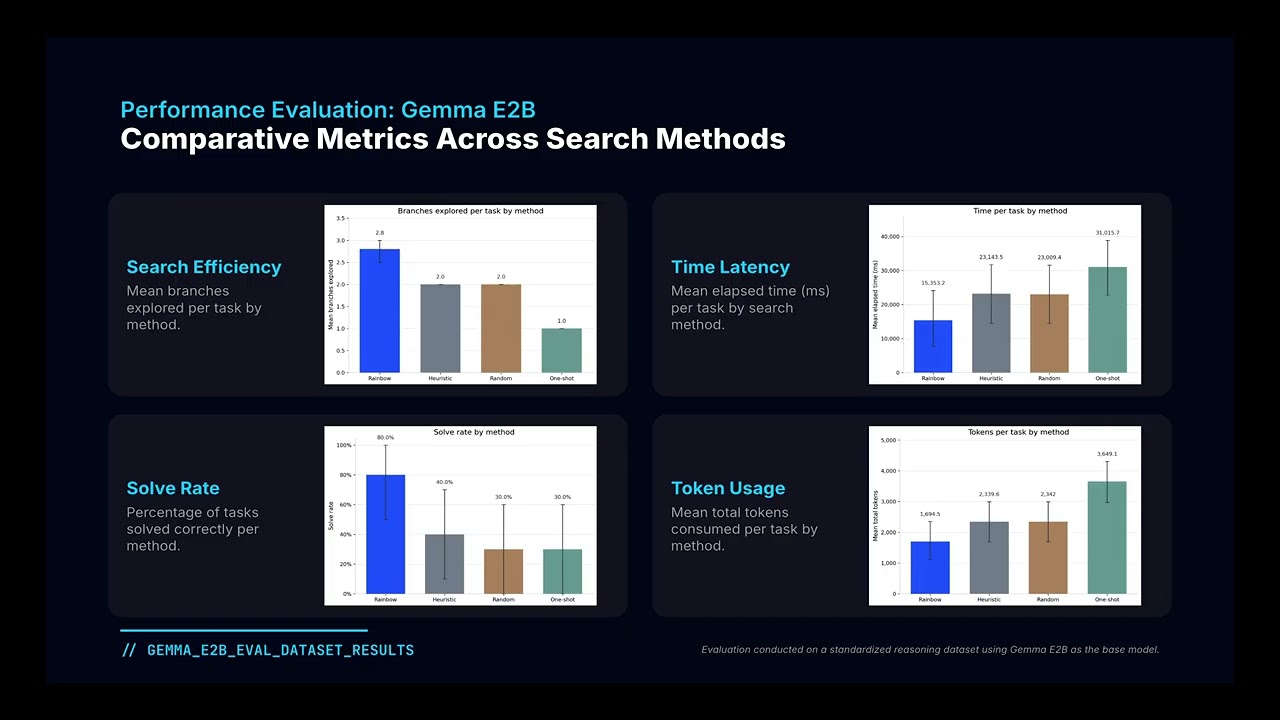
We built a self-healing coding agent that searches over compact DSL implementation plans before generating code. The LLM proposes semantic reasoning branches…

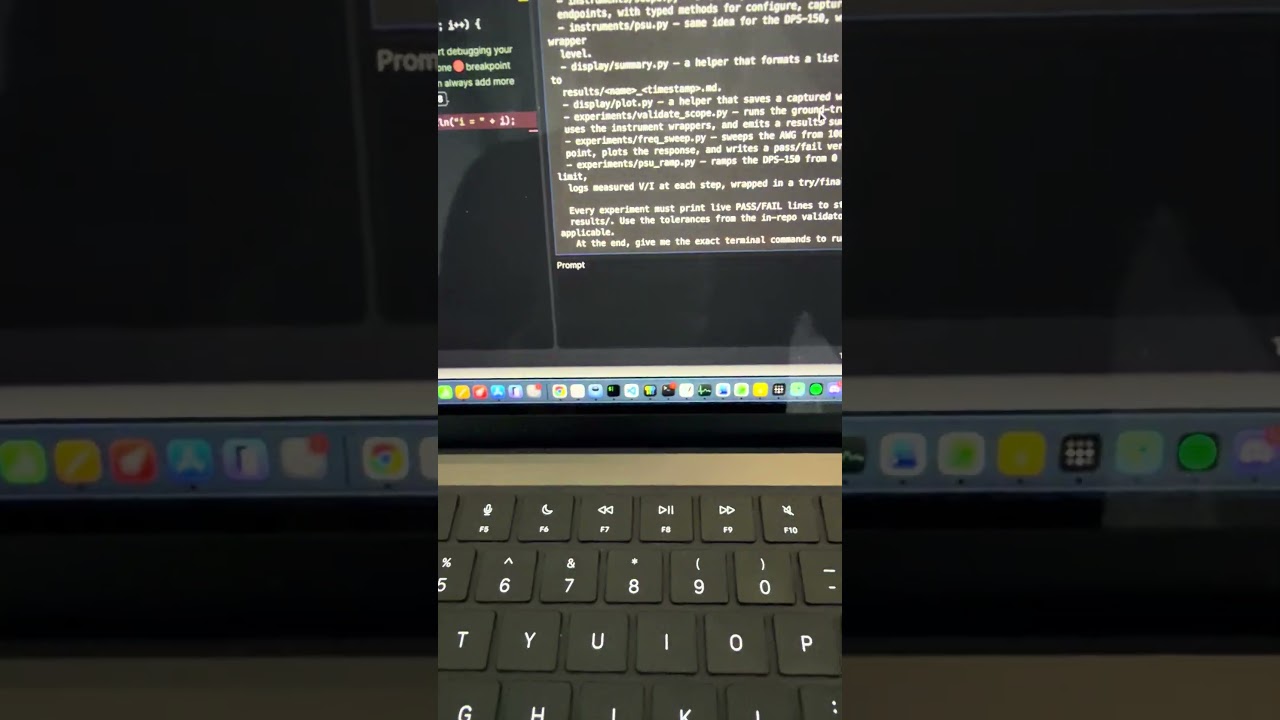
Scopecreep turns your JetBrains IDE into an agentic hardware testbench. Describe a test in plain English; an AI agent writes Python directly into your open…

Mesh Code: shared session state for coding agents. Install mesh-code-mcp in any IDE and any agent — Claude, Cursor, Codex — sees the same feature card, event…
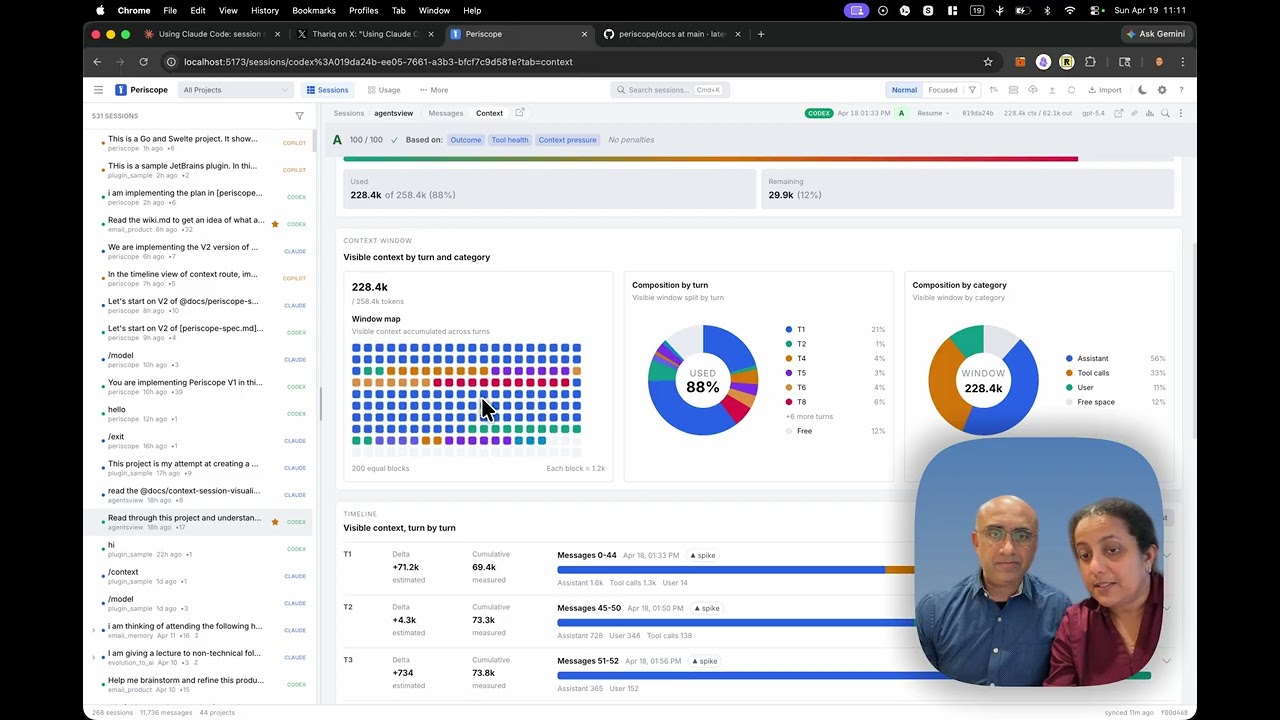
Periscope is a local-first viewer that shows you exactly what's in your coding agent's context window, turn by turn, and tells you what to do about it. What…

SecureLoop turns production Sentry alerts into Codex-generated, sandbox-tested, human-approved fixes inside JetBrains.
Pinpoint is a visual annotation overlay for frontend review. Not just that, it also helps pinpoint things in complex software :)