Scopecreep turns your JetBrains IDE into an agentic hardware testbench. Describe a test in plain English; an AI agent writes Python directly into your open project, runs it against real lab instruments on your bench, and drops a timestamped results file back into the project tree. The problem. Hardware bring-up today is a context-switch nightmare. Engineers write driver code in an IDE, flip to vendor software (WaveForms, bench PSU apps) to poke the instrument by hand, copy numbers into a spreadsheet or lab notebook, then write up results somewhere else entirely. Test code drifts out of sync with the hardware it's supposedly validating. Tribal knowledge about instrument quirks — safety limits, wiring gotchas, API shapes — lives in one senior engineer's head and dies when they leave the team. Every new hire re-learns the same bench the hard way. How Scopecreep solves it. The plugin bundles a managed Python sidecar that speaks REST to actual hardware —Digilent Analog Discovery (scope, AWG, PSU, DIO) and FNIRSI DPS-150 bench supply. A chat agent, grounded in a Supabase-backed memory layer of instrument profiles, generates project-structured test code: experiments/*.py scripts that drive the hardware, results/*.md files with pass/fail verdicts and raw measurements, plus the exact terminal command to run it all. When the agent encounters an instrument it's never seen, it researches the device live, publishes a profile, and every future user across every project benefits on turn one — a shared memory flywheel instead of siloed tribal knowledge. Safety is enforced in-prompt and at the driver: the agent narrates a plan and waits for explicit user approval before energizing anything; every PSU/AWG call is wrapped in try/finally rails that disable outputs on any error path; voltage and current clamps are non-negotiable. The result: test code, instrument drivers, and the conversation that produced them all live in one version-controlled project. No tool-switching. No lost context. No DUT cooked because someone forgot to disable a rail. Built as an IntelliJ Platform plugin (Kotlin) + Python sidecar (FastAPI, pyftdi, pydwf, custom DPS-150 CDC driver) + Supabase + OpenAI function-calling agent. Ships as a single installable plugin zip.

More from The IDE Reimagined: JetBrains Codex Hackathon
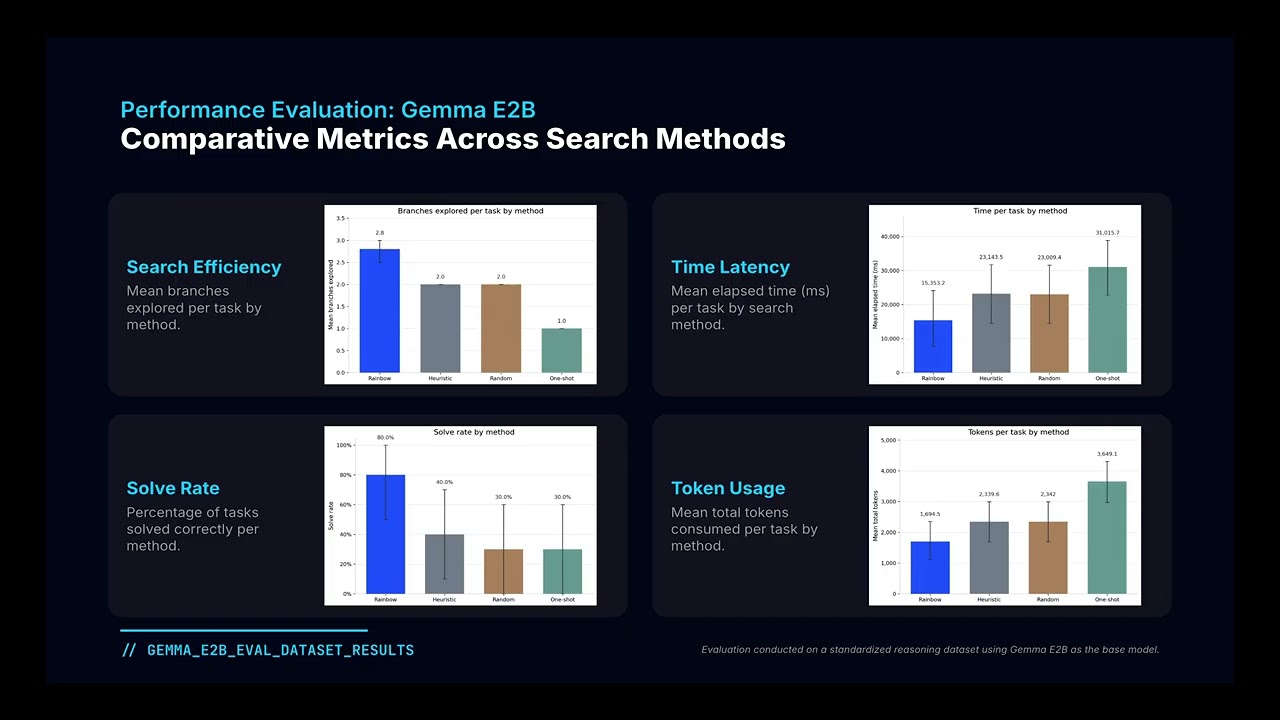
We built a self-healing coding agent that searches over compact DSL implementation plans before generating code. The LLM proposes semantic reasoning branches…
Mesh Code: shared session state for coding agents. Install mesh-code-mcp in any IDE and any agent — Claude, Cursor, Codex — sees the same feature card, event…

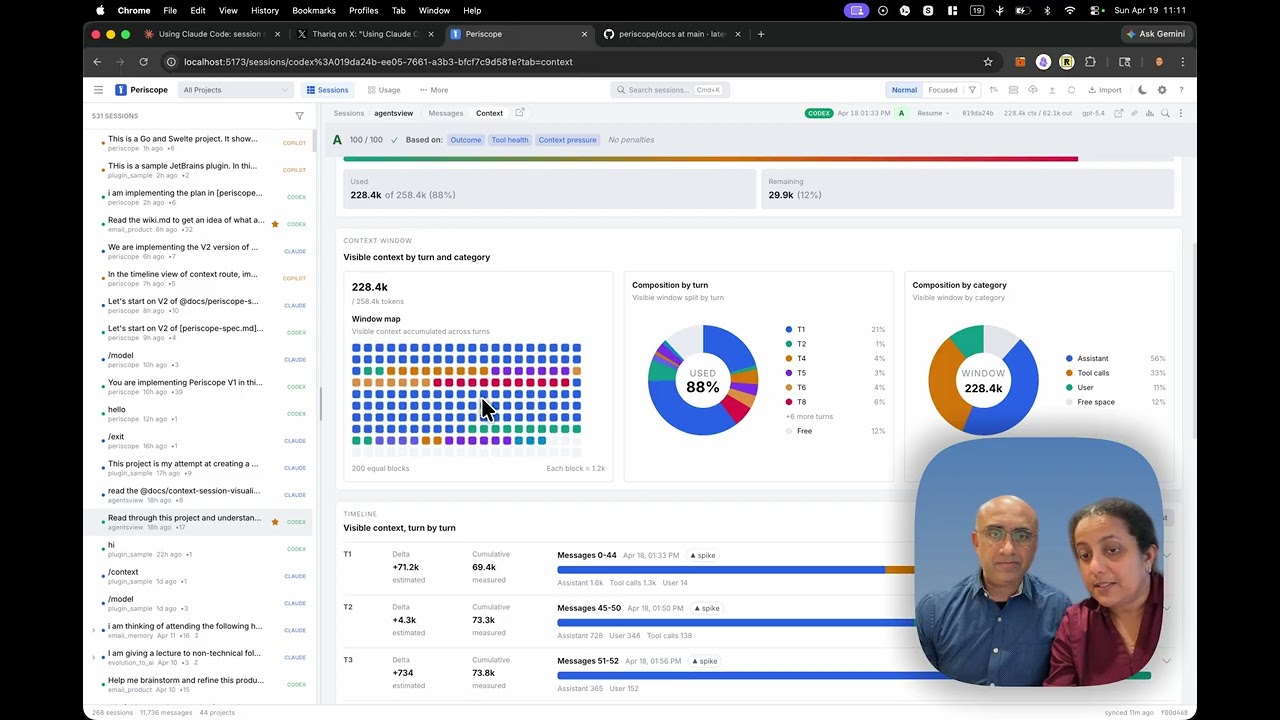
Periscope is a local-first viewer that shows you exactly what's in your coding agent's context window, turn by turn, and tells you what to do about it. What…
SecureLoop turns production Sentry alerts into Codex-generated, sandbox-tested, human-approved fixes inside JetBrains.


Pinpoint is a visual annotation overlay for frontend review. Not just that, it also helps pinpoint things in complex software :)

test