Litmuz is a claim-level verification layer for life-sciences research agents. An AI agent's memo is fluent and cited, but some claims are unsupported or flatly contradict the primary data, and nothing checks them one by one before they become results. Litmuz breaks a memo into atomic claims and returns an honest, per-claim verdict (grounded, needs review, or flagged), routes anything uncertain to a human, and never auto-passes a safety-critical claim. For this hackathon I added a genomic mode that verifies claims directly against Gladstone Institutes datasets: the Pollard lab's Human Accelerated Regions and the Zoonomia mammalian-constraint work. The check is deterministic, with no language model in the trust-critical path. A claim such as "HAR1 shows no human-specific change" is flagged as contradicted, with the exact evidence cited, and anything outside the curated reference returns an honest "cannot confirm." It is the verification layer autonomous genomics research is missing. litmuz.co
More from Built with Claude: Life Sciences
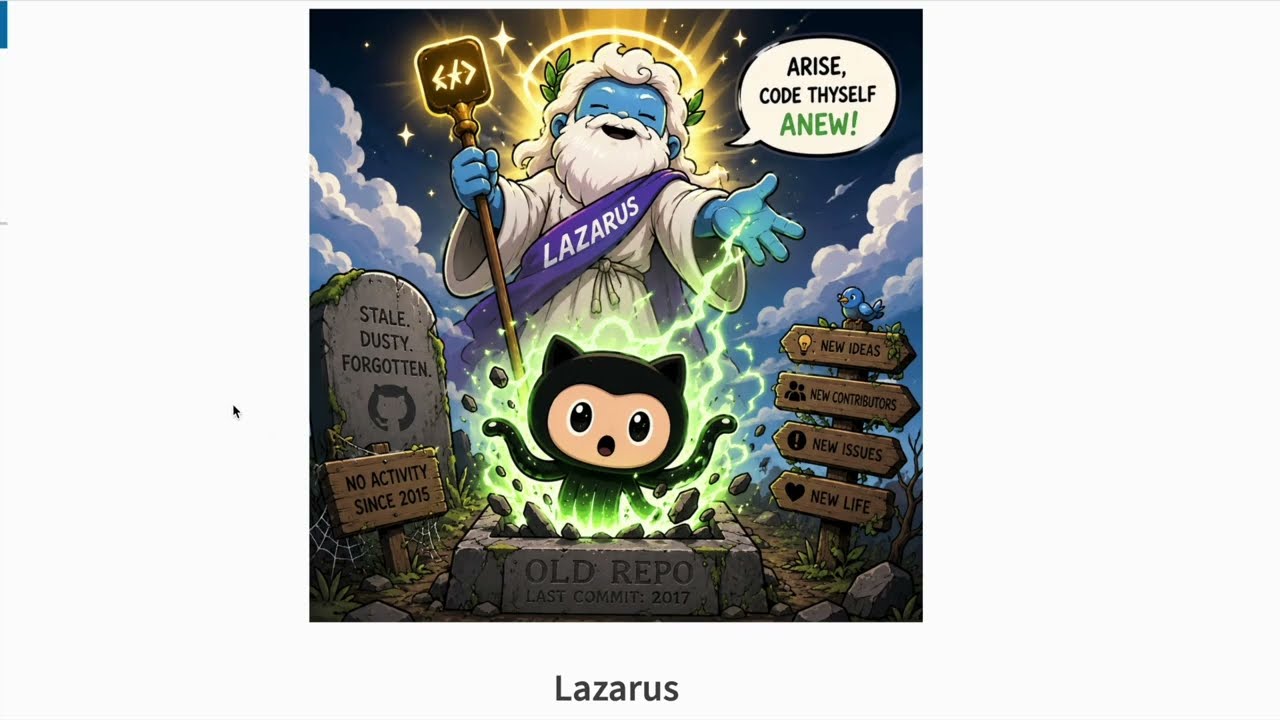
What I built. Lazarus is an agent that takes a dead research repository that is open, cited, and no longer runnable, and turns it back into a callable…
Diffuse midline glioma is a paediatric brainstem cancer that is almost uniformly fatal: about ninety percent of children die within two years, and the first…

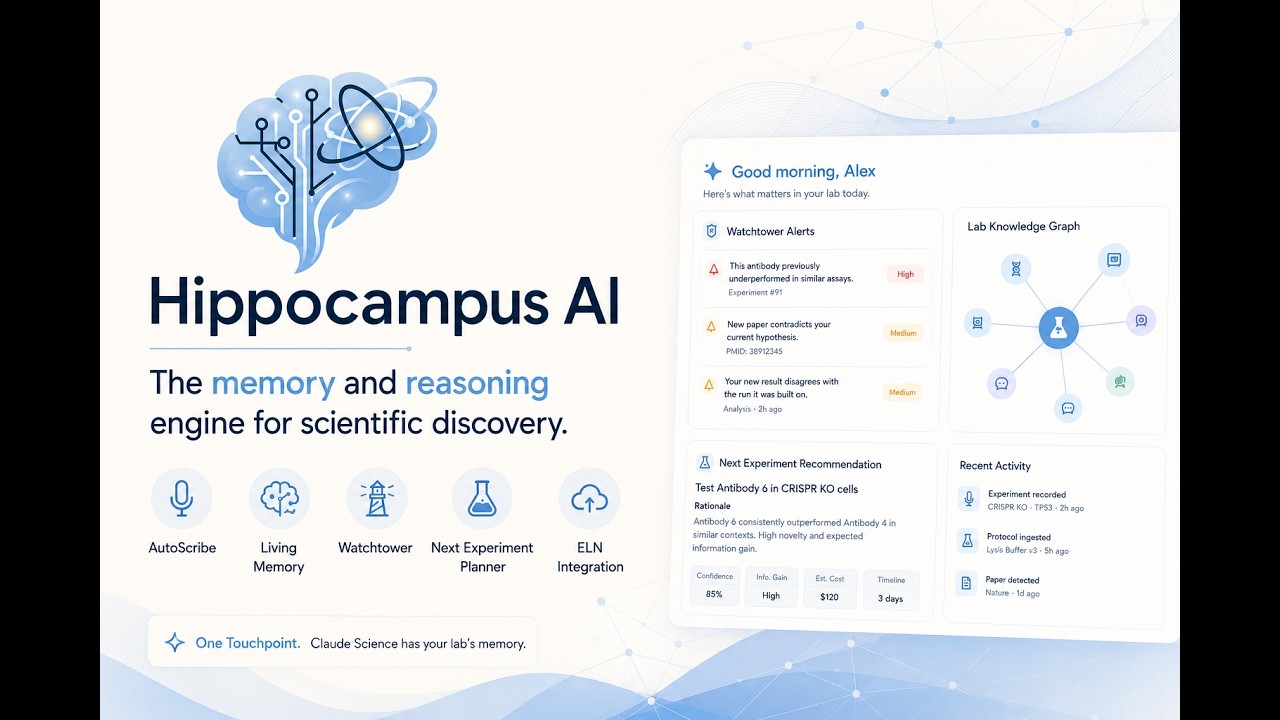
Hippocampus AI is the memory and reasoning engine for scientific discovery. Every experiment generates valuable knowledge, but that knowledge becomes…

I used Claude to train a protein language model that can generate an extremophilic version of any enzyme, maintaining its function, while allowing it to…


Many primates are sexually dichromatic — males and females are different colors. I wanted to know how that trait is built genetically, and how it evolved…

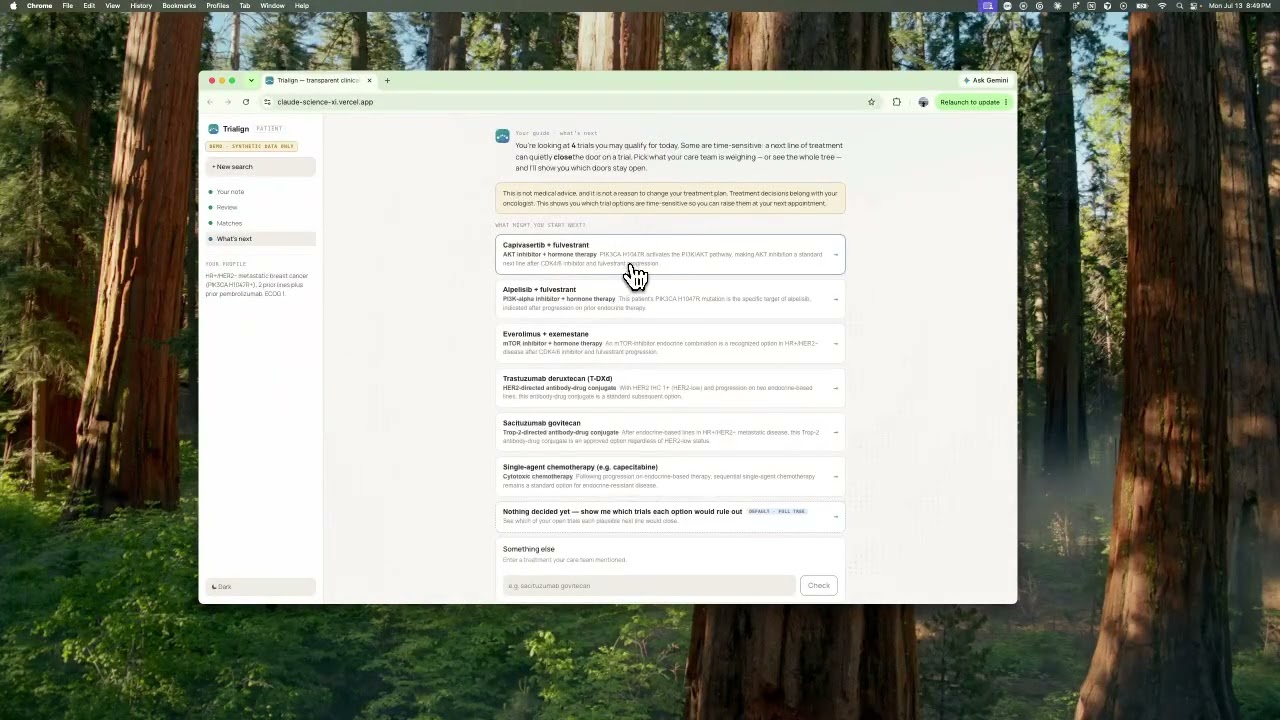
About Trialign is a patient-facing clinical trial matcher for oncology. A patient pastes a clinical note, uploads a record, or connects their EHR via SMART on…