TheCreator
Built at Built with Opus 4.7: a Claude Code hackathon · Apr 21, 2026 · Remote
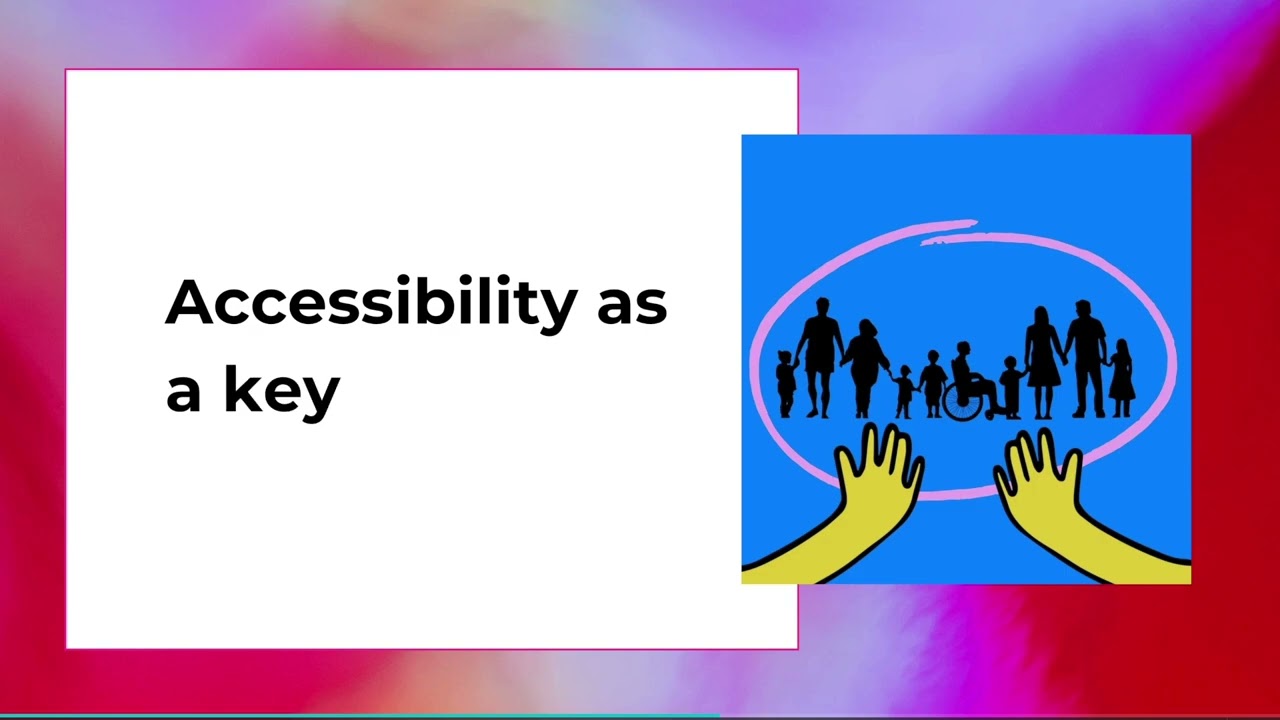
SapientIA — Inclusive Socratic Tutor The problem: Generative AI made answers free and learning rare. Students paste, they don't reason. The learners who were already underserved — blind, dyslexic, ADHD, motor-impaired — get hit twice: first by a tool that won't teach, and second by an interface that wasn't built for them. What we built: A Socratic tutor that refuses to answer turn 1. It diagnoses, asks leading questions, and gives graded hints (hint_1 → hint_3). Final answers only land after the learner demonstrates understanding. Every concept earned through reasoning is tagged earned; every concept the tutor had to hand over is tagged told. The earned ratio is the headline metric — the first tutor that measures the difference between learning and Googling. Why it's different: Accessibility is woven into the model's behavior, not painted on the UI. The learner's profile flows into both the system prompt (reading register, sentence chunking, single-question rule, define-on-first-use) and the interface (Atkinson Hyperlegible for dyslexia, ADHD focus-fade, dual ARIA-live regions, focus rings). Four axes — Visual · Cognitive · Learning · Motor — that compose orthogonally: a blind, dyslexic learner with ADHD can stack every layer and still get the same Socratic teaching, with no "lite mode." Hands off the keyboard. Hold Shift+V, say "recap", "slow down", "minimize". Nine commands, no menus, no setup. Voice activation cancels in-flight TTS (barge-in) so a learner who can't reach a keyboard never gets stuck waiting.