This project demonstrates how governed AI work can happen safely on sensitive data. It starts with a database's role-based access, where the same workflow shows masked or unmasked PII depending on the user’s role. Before anything reaches the model, copied prompts are inspected for hidden non-printing characters and malicious prompt-injection content. The system preserves the safe part of the prompt, removes the dangerous segment, and shows both the original and scrubbed versions for transparency. When data is retrieved from the database, dangerous stored text is also detected and quarantined before it reaches the AI summary path. OpenAI Guardrails protect the model boundary, while the application traces suspicious database objects, query history, and API activity to reveal where PII exposure may still occur outside the governed workflow. Together, those features turn governance from a passive control into an active remediation experience.
More from Global Codex Hackathon: [San Francisco]
HyperCode is a repository intelligence layer for coding agents. It builds a hypergraph from code structure, git history, semantic summaries, and Codex session…

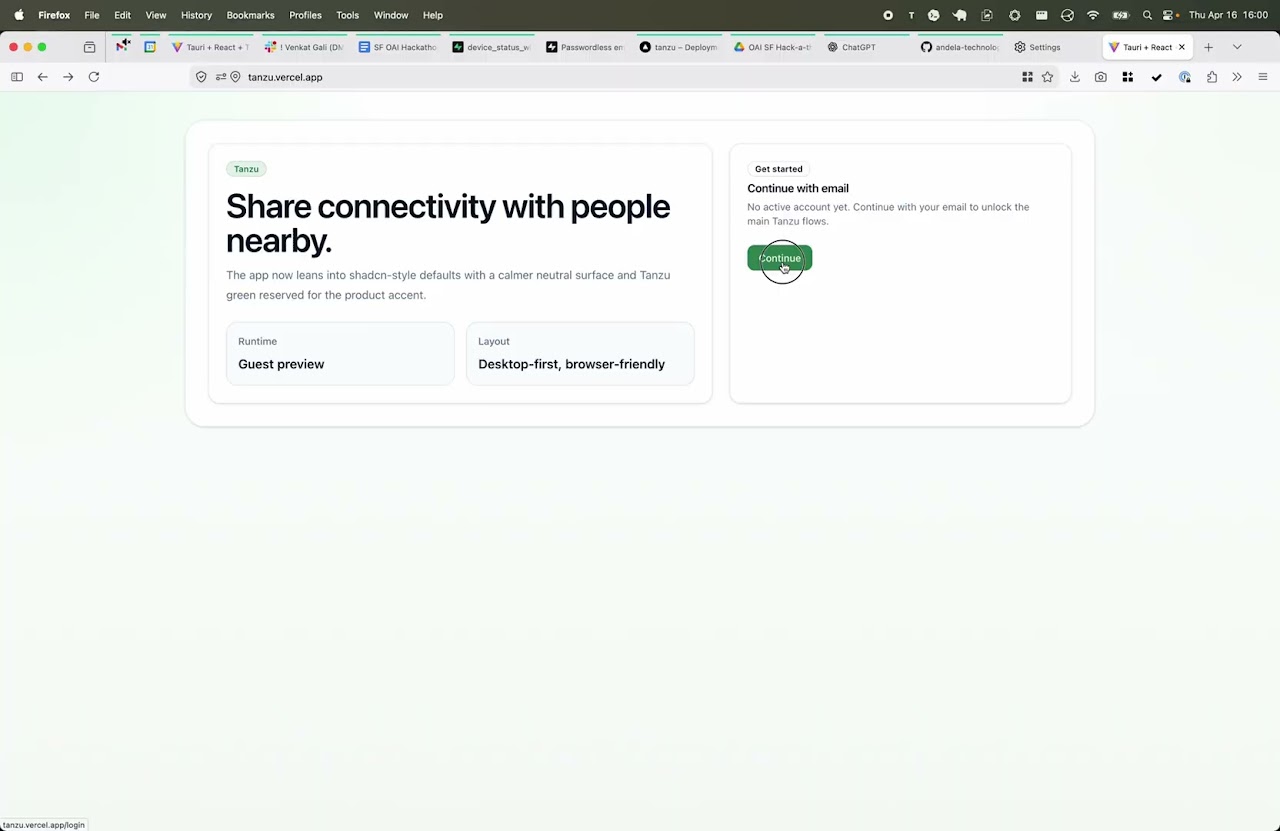
Tanzu Internet-as-a-Service, powered by community where people can rent reliable connections from nearby hosts or request mobile internet delivery on their…


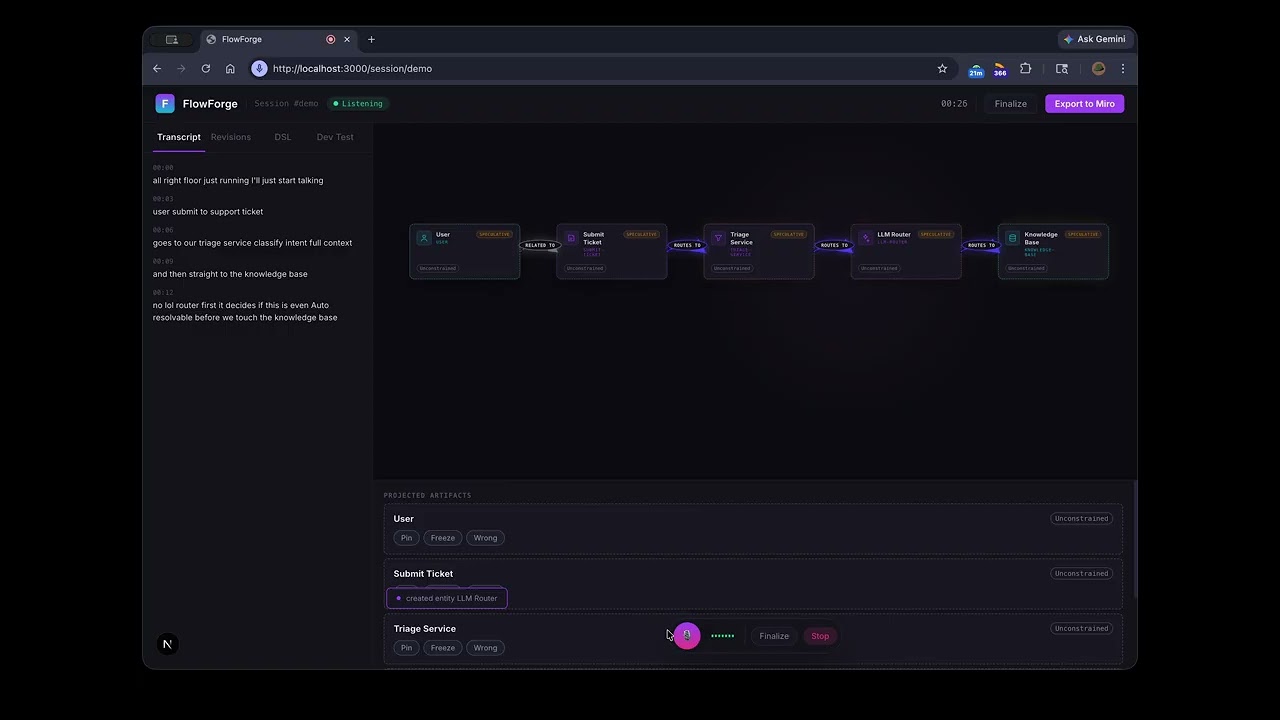
FlowForge is a live architecture copilot for meetings. As a team talks through a system design, it listens to the conversation, turns key entities and…

Codex-powered crawler maps the full site architecture that shows the interactive sitemap/viewer that plays in real time. It shows UX and design issues based…

We built a lightweight, agent-driven sales lead interface designed specifically for top-of-funnel sales workflows. Instead of forcing early structure like…


Control Plan + Harness engineering to democratize and scale Agentic Delegation across every codex user regardless of engineering or product background
