TWIN
Built at Meta Global AI Developer Hackathon · Oct 26, 2026 · Remote
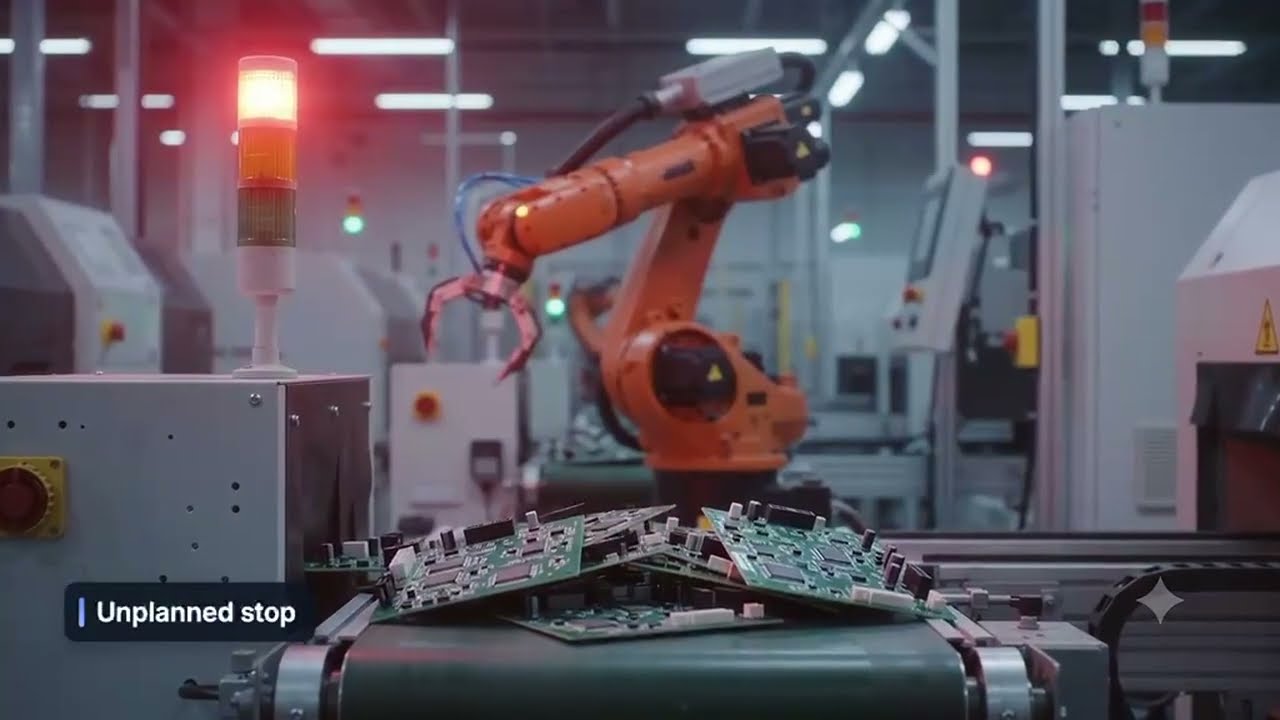
Twin is an agentic digital twin for factories, built on Meta's Muse models. It mirrors a whole plant live (lines, machines, sensors, materials, orders, cameras and mobile robots), spots trouble early, and proposes a plan that a person approves. The problem: plants lose hours to stops nobody saw coming. A robot bearing wears, a critical part runs short, a big order is due tomorrow. The warning signs exist, but they are scattered across maintenance, stores, quality and planning systems. How it works - Build: upload a floor plan OR describe the plant. Muse Spark reads every machine tag, researches similar plants with cited web search, and drafts the twin, with each element showing where it came from. Muse Voice turns spoken requirements into text. You review before anything is built. - Watch: a deterministic plant model runs the twin in 2D and 3D, with live telemetry, OEE, energy and quality. - Investigate: six agents (maintenance, quality, production, supply, energy and an orchestrator) analyse every incident with evidence. A Python intelligence backend adds remaining-useful-life estimates, stock runway against supplier lead times, P10/P50/P90 demand forecasts and AOI inspection. Muse Wonder writes the decision briefing. - Decide: a what-if simulator compares plans, for example carrying on (robot failure, 732 late units) against rerouting to Line B (no late orders, about a quarter of the cost). Agents only propose; a person approves, the twin carries out the plan, and every step is audited and reversible. - Ask: a multi-agent copilot on Muse Spark answers from live twin data, shows every tool it called, and checks each figure against the tool results. - See: SAM 3.1 localises defects in inspection photos for human confirmation; Muse Image generates floor plans and test images. - Plant-Private AI: the blueprint-to-twin flow can also run entirely on Meta's open-weight Muse Spark Open (via Baseten), for plants that cannot send layouts to a hosted model. Trust by design: models never produce the numbers. Every figure comes from the deterministic engine; structured AI output is schema-validated; AI text is grounding-checked against the facts, with deterministic fallbacks; and nothing touches real equipment without human approval. Stack: Next.js 15 web app and a FastAPI backend sharing one SQLite system of record (96 tables), DuckDB analytics, MQTT telemetry, S3-compatible storage, an MCP server for external agents, and Docker Compose. Everything is open source apart from the Meta models. 142 web tests, 84 backend tests and 20 end-to-end tests run against live Meta models. Demo: Aurora Electronics (Pune) shows the full crisis-to-approval story; AeroBreeze Fans (Bengaluru) shows a plant built live from a drawing. Both plants and their suppliers are fictional demo data, and the plant runs on a simulator until real systems are connected.