WorkLens
Built at Meta Global AI Developer Hackathon · Oct 26, 2026 · Remote
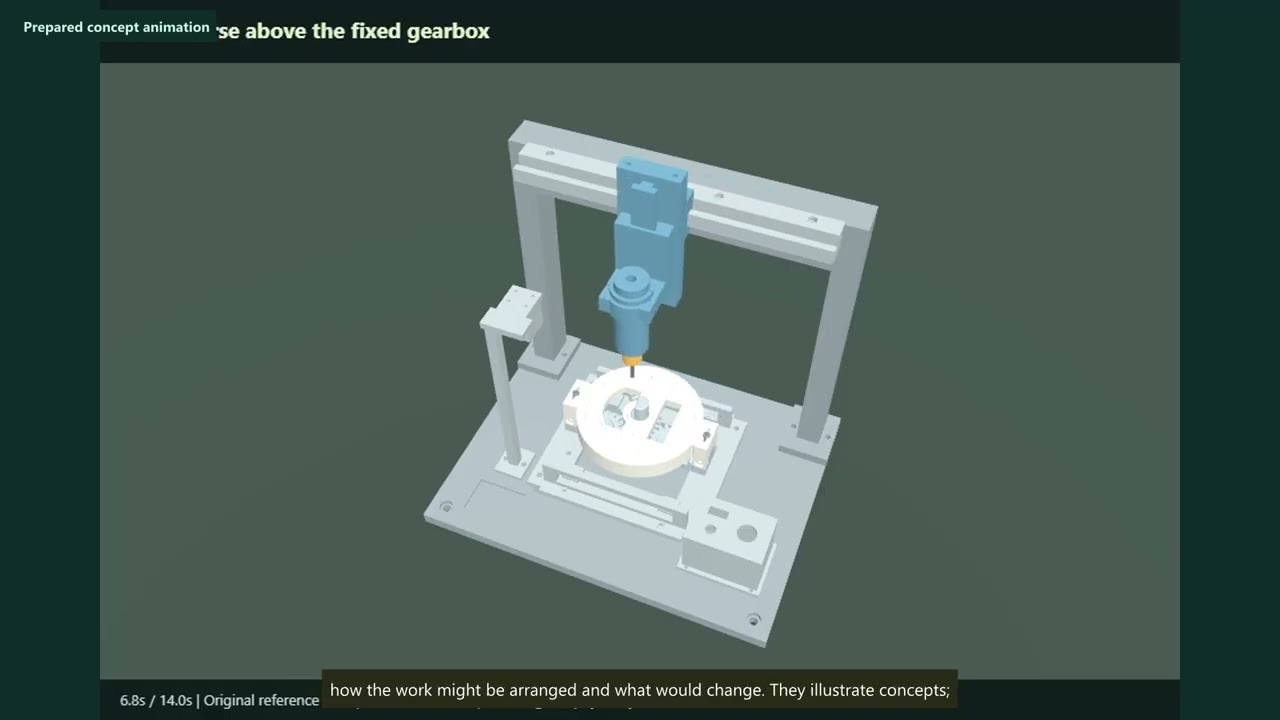
WorkLens is a visual intelligence system that helps people understand and improve how physical work gets done. In farming, manufacturing, and laboratories, vital process knowledge often lives in people's heads or hours of video. A video summary can list actions, but it rarely explains bottlenecks, dependencies, or what changes might improve results. WorkLens bridges that gap. Starting with video of a real task, it extracts observable actions and organizes them into a structured workflow: who or what performs each step, the tools and materials involved, where work happens, and which steps depend on others. Instead of treating footage as a collection of isolated events, WorkLens examines the relationships between activities to build a more complete understanding of the process. The next step is actionable analysis. WorkLens is designed to identify repeated motions, unnecessary travel, idle time, handoffs, resource conflicts, and other potential bottlenecks. It helps users explore alternative workflows and evaluate potential improvements in labor, throughput, time, material use, and operational complexity. Where evidence is insufficient, the system distinguishes observations from assumptions rather than presenting estimates as verified facts. Our initial use case is community-scale agriculture. A farmer preparing seedling trays may repeat hundreds of small actions across dozens of trays each week: moving supplies, filling cells, placing seeds, watering, and cleaning up. A video can reveal the sequence, but WorkLens aims to answer more useful questions: Which steps consume the most effort? Does the station layout cause avoidable movement? Could batching, repositioning tools, or a simple fixture reduce work without requiring expensive automation? The underlying approach is applicable well beyond agriculture. Manufacturing teams can examine assembly procedures, laboratories can analyze repetitive protocols, and small businesses can identify operational inefficiencies without specialized industrial engineering software. Unlike conventional video summarization tools, WorkLens focuses on transforming visual observations into structured, actionable process intelligence. The objective is not simply to describe what happened, but to understand why activities occur in a particular order, what constraints influence performance, and where meaningful improvements might be possible. Our goal is not to replace skilled workers or prescribe a universal optimal method. It is to make their expertise visible, help them evaluate practical improvements, and bring process engineering capabilities to teams that cannot afford expensive consulting or complex automation platforms.