Esprel
Built at Meta Global AI Developer Hackathon · Oct 26, 2026 · Remote
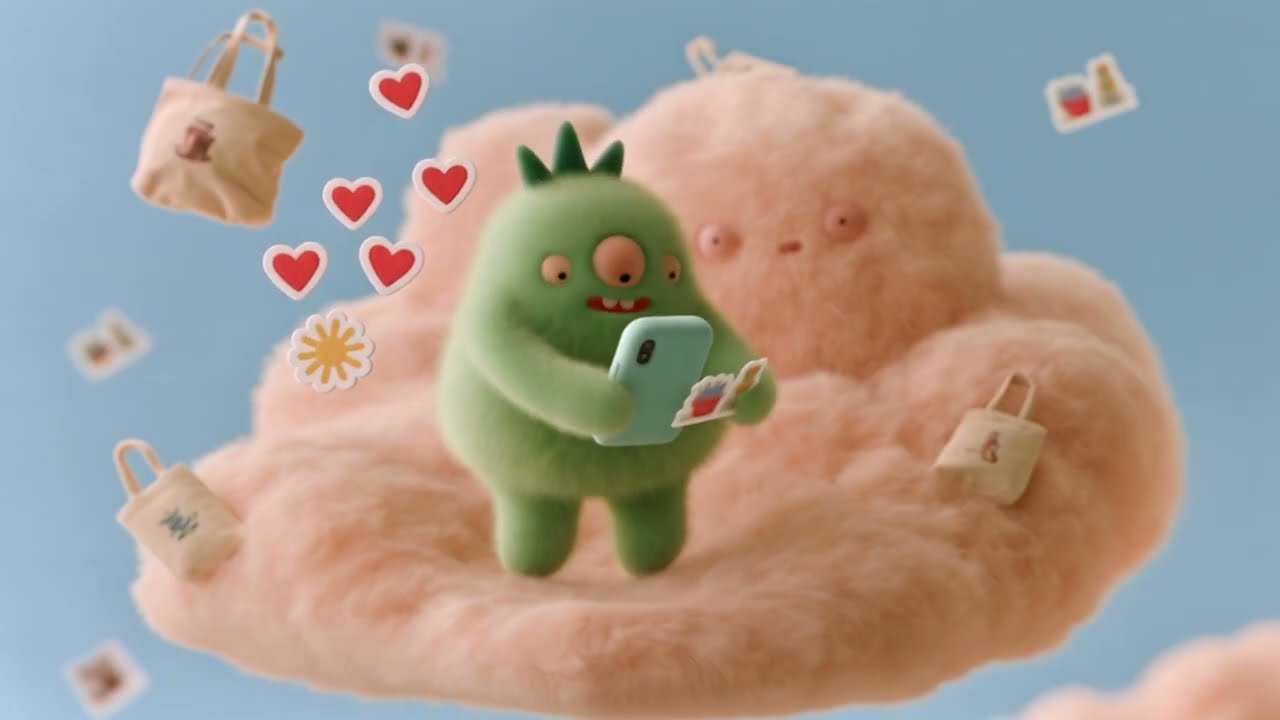
This project aims to help artists with disabilities generate income by turning their artwork into merchandise like stickers and tote bags. The artist snaps a photo of their drawing and Meta's SAM 3.1 cuts the artwork out. They say what to change, Muse Voice writes it down, and Muse Image changes their own drawing rather than painting a new one. Muse Spark reads a description of the result back to them, so an artist who cannot see the screen can still hear what changed and refine it. The art becomes stickers and tote bags, and each one ships with an NFC tag that plays a short video of the artist talking about their work, with captions and area to send a note, this also enables the communication between artists and buyers. It solves four problems: 1. Art that can't sell at scale. Most studios serving people with disabilities can only sell original pieces locally, and once a piece sells, it's gone. We turn one artwork into products that can be sold again and again, with no inventory. 2. Talent without income or recognition. People with disabilities are employed at about half the rate of people without disabilities. We give them a way to earn money (half of every sale by default) and to be recognized as artists. 3. No connection between buyers and creators. Buyers usually have no idea who made what they buy. Our NFC story tag lets them hear directly from the artist, which makes the product more meaningful and a better gift. 4. Finishing the piece they imagine. Many artists can draw the first version but not the second: a different colour, a bird on the leaf, a bolder line. By saying the change out loud and hearing the result described, they finish the piece themselves, and the drawing stays theirs.