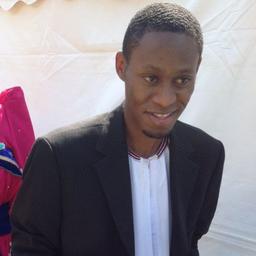
Kawesi Hakim
Meta Global AI Developer HackathonIn Uganda, medical officers at district hospitals and Health Centre IVs, and intern doctors on night duty, often manage complex patients alone: HIV, TB, hypertension and diabetes often in the same person, with specialists a costly referral away or busy on another ward, and records on paper. Referrals often arrive incomplete, patients carry their history in their heads, and many speak Luganda or Kiswahili rather than English. Well-resourced hospitals send complex cases to a multidisciplinary team (MDT). Virtual MDT gives every doctor one. The doctor photographs handwritten notes or the patient's clinic book and records or dictates the consultation. Lab and X-ray results can be added to any visit later, and every machine read stays marked for verification until the doctor confirms it. An AI agent built on Meta's Muse models structures the record, plans which specialties should weigh in, retrieves the patient's history and the relevant pages of Uganda Ministry of Health guidelines, drafts what each specialist would raise, flags drug interactions and overdue checks, then audits its own draft. Points it can't support with evidence are removed, with the reason shown. Every remaining point cites a guideline page or a dated visit. The doctor stays in charge: they approve, edit or reject each point, then send the case to real specialists or, for an intern, their supervising doctor, who can reply by text, photo or voice note. From the approved points, the doctor generates a complete referral letter with history, findings, interactions and overdue checks. Once released, the patient can show it at any facility they reach, so the next clinician doesn't start from zero. Patients sign in to a portal in English, Kiswahili or Luganda. They see visit summaries and an overall message drafted only from points the doctor approved and shown only after the doctor releases them. Patients can ask their doctor a question, and doctors can send follow-up questions, by text or voice note in the patient's own language. Patient messages reach the doctor as English text. The doctor's reply is translated into Kiswahili or Luganda, and the doctor checks the translation before sending. There is no AI chat: a clinician answers every question. Patient names, phone numbers and emails are removed before any text reaches the model. Built by Kawesi Hakim in one week in Kampala, using synthetic patient data only.
Team