Sadman Habib
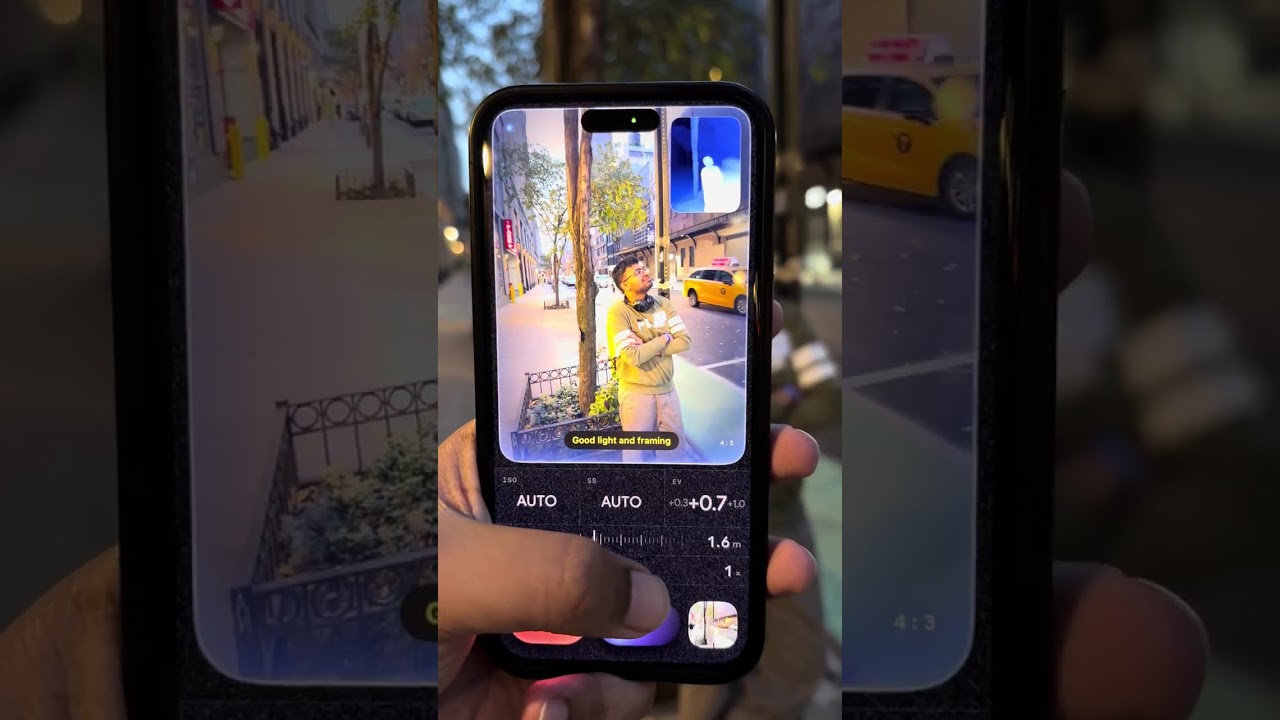
Gemini 4 NYC HackathonSignalForge turns one photo into a shopping answer with zero typing: the lowest verified in-stock offer among the stores checked, the reason a cheaper-looking listing lost, and a watch rule that can explain itself. Gemini 4 Neon reads the photo (brand, printed model or set number, barcode). Gemini Decision 1 gates whether exactly one item is clear, then scores every candidate listing against the photo in a single forward pass and checks that the model number Neon read is really printed on the item. Gemini 4 Carbon binds the photo to one exact product in the Shop catalog (live Shop MCP). Each merchant's own storefront then confirms price and stock, and deterministic code ranks: new, in stock, USD, with every rejection reason shown. When the winner sits far below the other verified offers, the app says so in numbers. It refuses to guess. Without printed evidence, a merchant barcode or the buyer's one tap, it asks one question ordered by Decision 1's probabilities. "Notify me when this restocks under $25" becomes a proven rule preview that a Gemini Managed Agent in a hosted sandbox then tries to break. On a laptop, scan a QR code and take the photo with your phone; the search runs on the laptop. Proof on inputs we did not choose, all in the repo and on /proof: zero false matches in every listing-check run (0/20 in each of five arm runs on WDC gold pairs); Decision 1 screen ROC AUC 0.99 over 240 blind-labelled listings on each of two draws. The unflattering part, stated plainly: on held-out blind catalog photos one Carbon call names the right product 21/24, while our pipeline answers at most 1/24 with zero taps and 8/24 with one simulated confirming tap. But 0 of its 9 answered offers were invalid, against 4 of 22 for the single call. The evaluation changed the design twice today, and a red-team run switched one feature off before release.
Team