Skip to Main Content

Oil Watch turns satellite data (SAR) into ground truth on oil-shipping chokepoints. Roughly a fifth of the world's oil moves through the Strait of Hormuz and when it's disrupted, prices move globally but traders, insurers and governments are stuck reading rumor, social media, and AIS transponder data that ships switch off exactly when it matters most. Oil Watch pulls free Sentinel-1 synthetic-aperture radar (which sees through clouds, darkness, and "dark" vessels), detects ships, has Claude verify each detection, and filters out fixed features like islands and rigs. The result is an imagery-grounded read of vessel traffic over the strait's closure, overlaid with Brent crude prices and a sourced news timeline that you can act on.

Team

rishimadhok

Placement

Participant

More from Claude Build Day

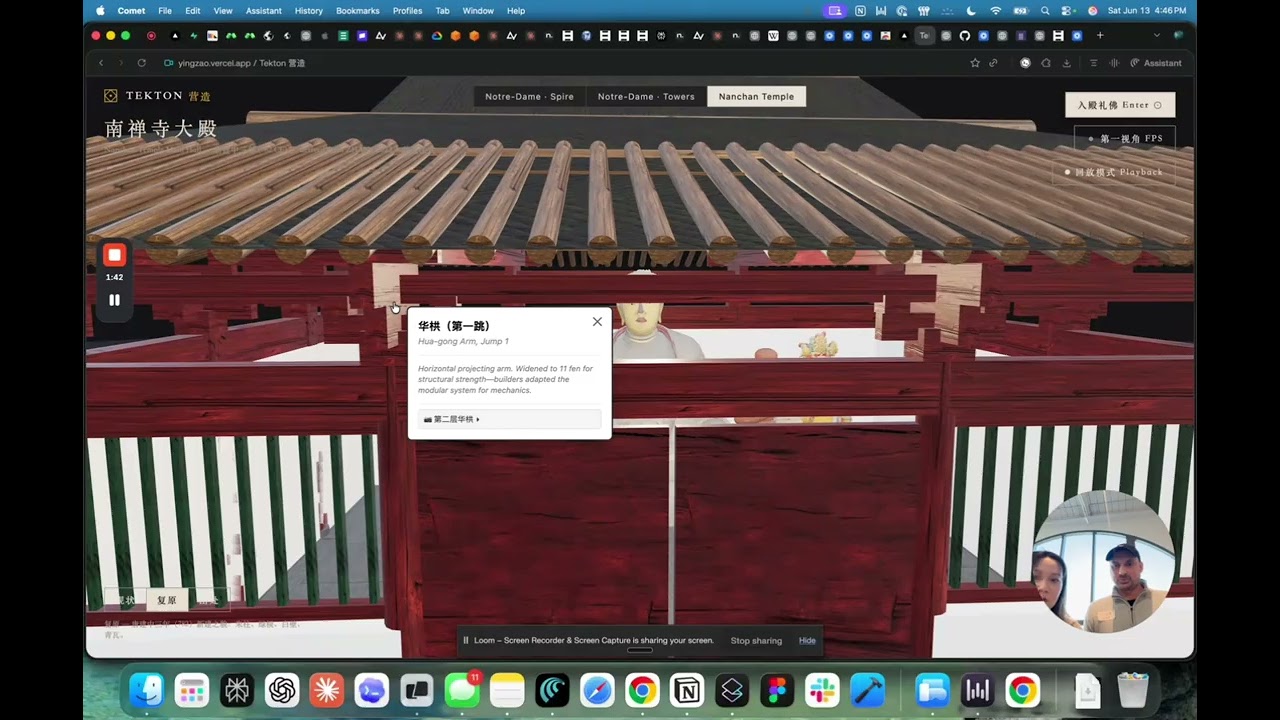
ekton is an evidence-driven 3D digital reconstruction platform for ancient architecture, specializing in the preservation and visualization of Tang Dynasty…

Tekton project preview

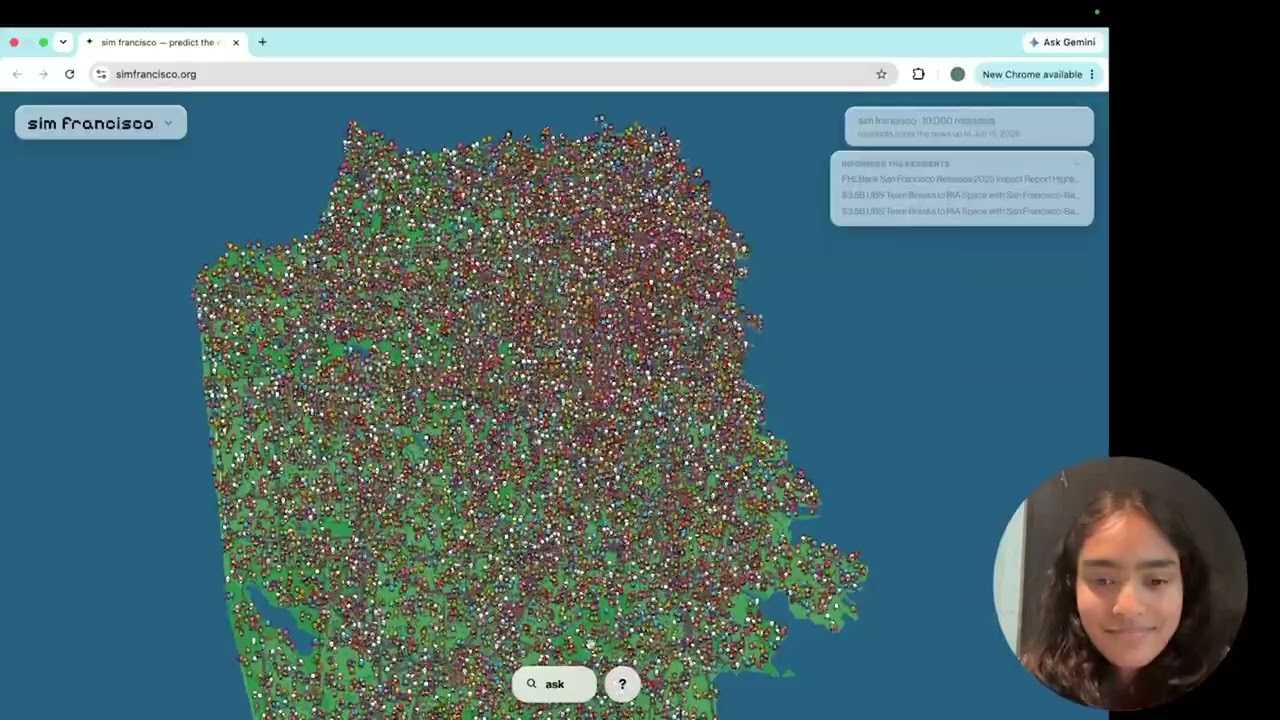
Sim Francisco: a living digital twin of San Francisco's population: poll a representative, Census-seeded synthetic city in seconds, and run what-if futures…

sim francisco project preview

A realtime synthetic-data engine for world models. Make a photorealistic scene from crude 3D objects online or brought by you. 1. Take a pictures of an…

www.loom.com/…

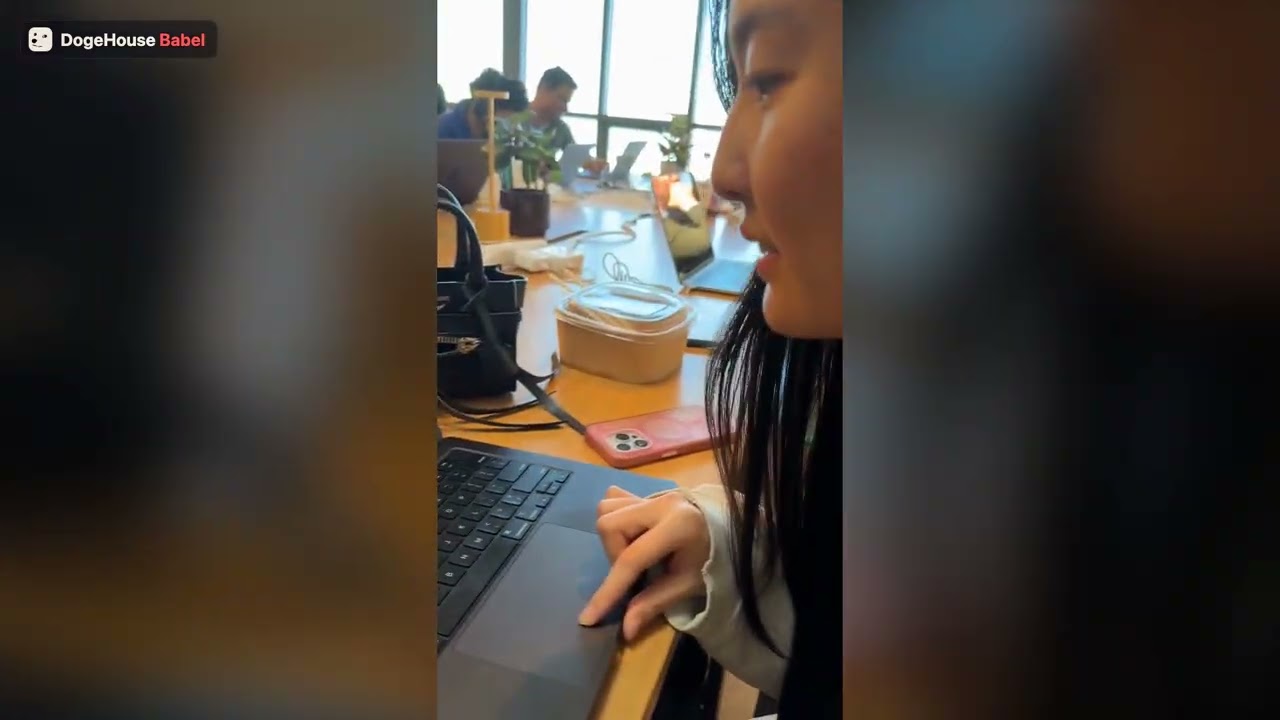
DogeHouse Babel is a live voice chat room where everyone speaks their own language and hears everyone else in theirs. A Claude Opus 4.8 interpreter joins the…

DogeHouse Babel project preview

Imagine a planet you can talk to. Rewilding Earth is a "search the Earth" tool. You ask in plain language: "where can I find kelp forests like Monterey Bay?"…

www.loom.com/…

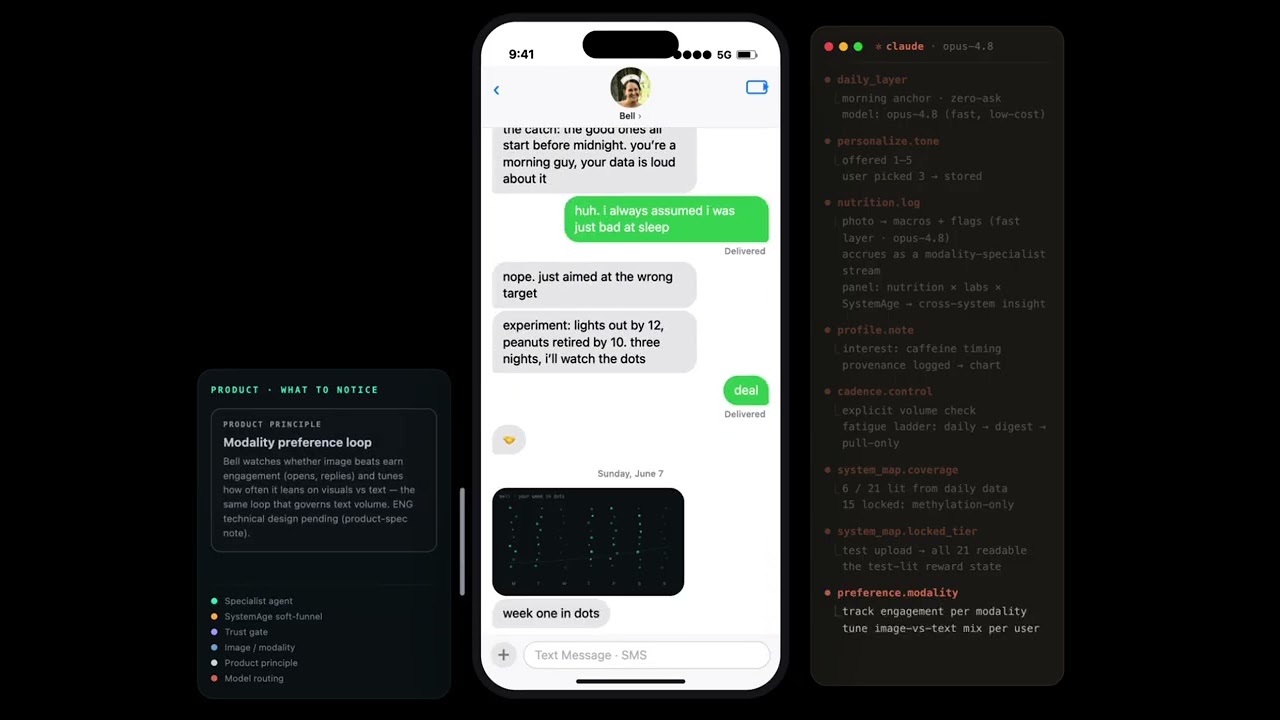
Bel — a health companion that lives in your text messages. Most people's health data is scattered, jargon-heavy, and stranded in PDFs and dashboards they…

Generation Lab project preview