Sevah Robotics, Inc
Built at Claude Build Day · Jun 13, 2026 · San Francisco, CA
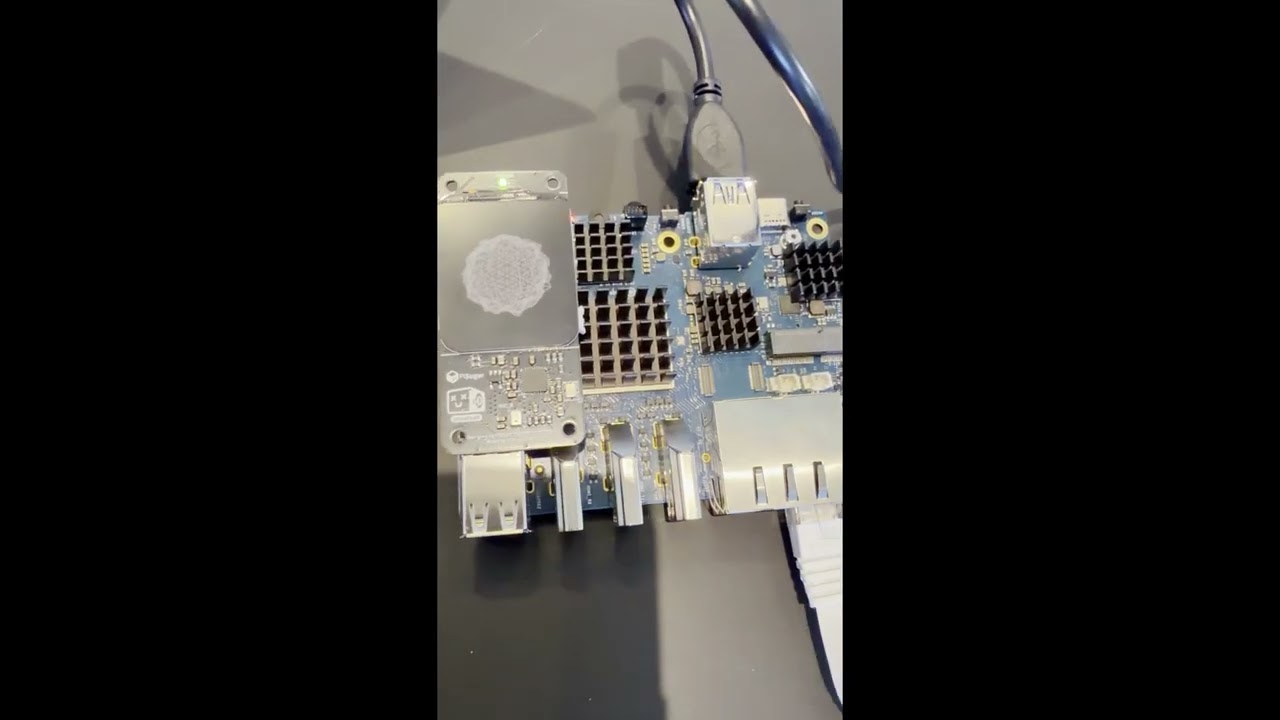
Sevah, and the thing we built today The whole of it Somewhere on a night shift, a nurse holds three hundred small truths in her head — who hasn't had water since lunch, who's been lying on the same hip too long, whose voice cracked in a way the chart doesn't capture. That knowledge is the most valuable software in the building, and it lives nowhere. It evaporates at 7 AM handoff. Sevah is the attempt to give that knowledge a body and a memory. A calm presence on the floor — a companion that does the rounds, asks the gentle questions, listens with more than words (it hears the cough behind "I'm fine," the tremor behind "I slept okay"), and carries what it learns forward so the next shift, and the next, inherits context instead of starting blind. Voice that sounds like care, not a kiosk. Intelligence that runs on the device, in the room, close to the person — and a cloud spine that lets one nurse's intent reach one robot or a hundred. The bet underneath all of it: the people who know how care should happen should be the ones who shape how it happens. Not a vendor. Not an integration team six weeks out. The Director of Nursing, at her desk, in plain language. What we built today: Studio Studio is the authoring end of that bet — the place where intent becomes behavior on the floor. We built it in a day. You sign in. You talk to it like you'd brief a new nurse — "morning round: check hydration, repositioning, missed meds; if anything's off, get the nurse." And as you talk, a flow assembles itself on the right: not a wall of boxes, but a clean directed graph of what the round actually does. Refine a sentence and the graph recomputes from the whole conversation, not just the last thing you said. It listens the way Sevah listens — to the accumulating intent, not the final fragment. Underneath, we wired the spine. Publishing mints a real mission and hands it to app.sevah.ai, which drops it onto the same pub/sub the live rounds already ride — we refactored the backend so rounds and missions flow through one shared primitive, distinguished by a single tag, the round API untouched. The mission becomes a companion skill bundle — a procedure and a voice-agent config (running on Opus 4.7, because that's what the device's voice can speak today) — and the device picks it up over its subscribe stream and runs it. Then the telemetry comes home: not a fake progress bar, but the real round report the device files when it's done — what it asked, what it heard, what it flagged. We gave it a face, too — a miniature of Sevah's own neural orb, breathing in the corner — and dressed the whole thing in warm Claude-ivory and terracotta so it feels like a clinical instrument you'd trust, not a war room. Real Google sign-in, real organizations, a one-line installer that turns it into a website on your machine, and a screenshotted walkthrough so the next person can follow the whole arc: describe → shape → publish → watch it run. The shape of it A nurse describes a round. Studio turns the description into a graph she can see and edit. One click sends it through the cloud onto the same nervous system the robots already share. A companion in a room down the hall starts asking the right questions in a voice that sounds like it cares — and tells her what it learned. Authoring and execution, decoupled. Intent made legible, repeatable, and alive. That's Studio. That's the day.
