CortexOS uses Claude Opus 4.6 to extract verifiable claims from financial analyst videos and test them against real market data — amplifying professional judgment, not replacing it. When a YouTube interview is ingested, Opus distinguishes testable predictions from opinion and routes claims through verification. An ExternalDataAgent retrieves 63K minute-level ETH/USD bars from MongoDB and computes realized returns — every number traces to a database row. The system catches what humans can't at scale: cross-speaker conflicts, self-contradictions (same analyst citing gold at $22T then $41T), and data contradictions (bullish "violent repricing" narrative vs. actual 31% decline). Speaker Scorecards grade analysts A–F on accuracy. Seventeen auto-discovered agents handle transcription, claim extraction, and market verification in parallel. CortexOS presents evidence, not conclusions — the professional decides what matters.
More from Built with Opus 4.6: a Claude Code hackathon
CrossBeam tackles California's ADU permit crisis. 429,000+ permits issued since 2018, 90%+ sent back for corrections — each cycle costing weeks and thousands…

Elisa is a block-based visual IDE where kids design software by snapping blocks together and AI agents build it. Users compose specs using seven primitives…

Built by a practicing cardiologist - because patients forget up to 80% of what their doctor says. PostVisit.ai bridges the gap between the doctor's office…

Conductr is a browser-based MIDI instrument where you play and Claude Opus 4.6 directs the band. Four tracks of drums, bass, melody, and harmony generate in…

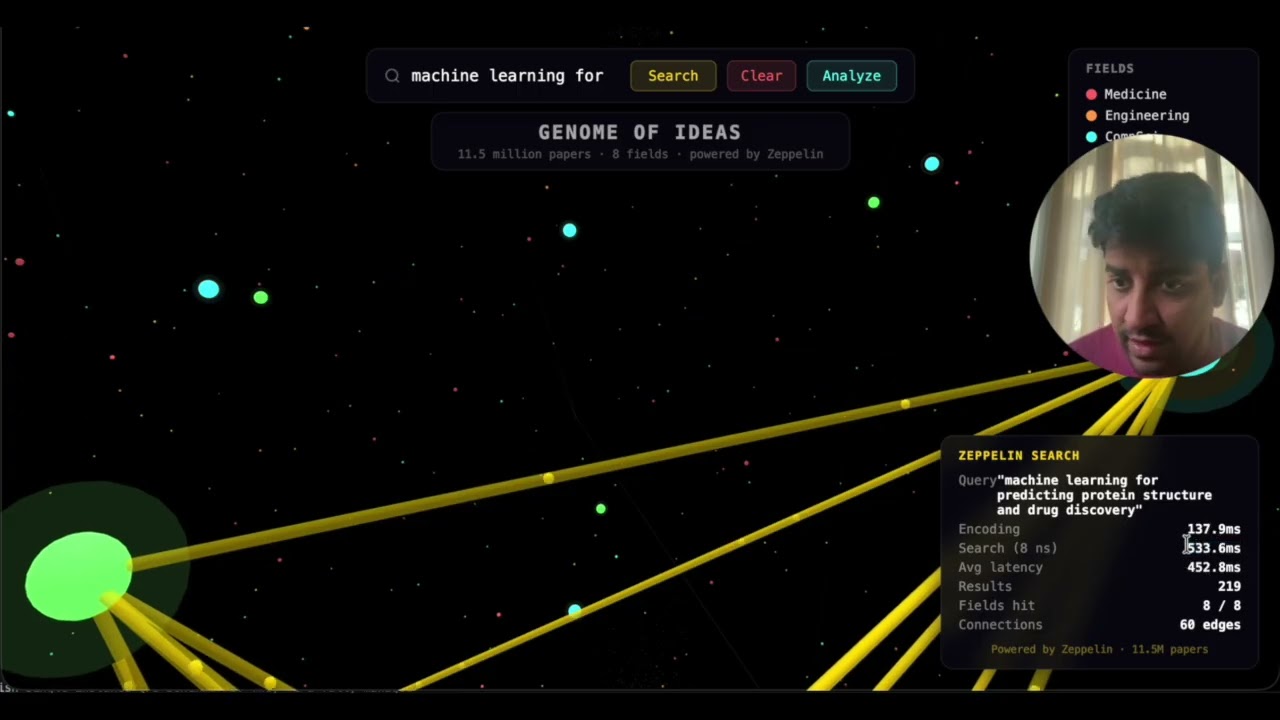
Zeppelin is a production-grade, S3-native vector search engine built entirely by Claude Opus 4.6 in long-running agentic sessions. 21,000 lines of Rust, 451…

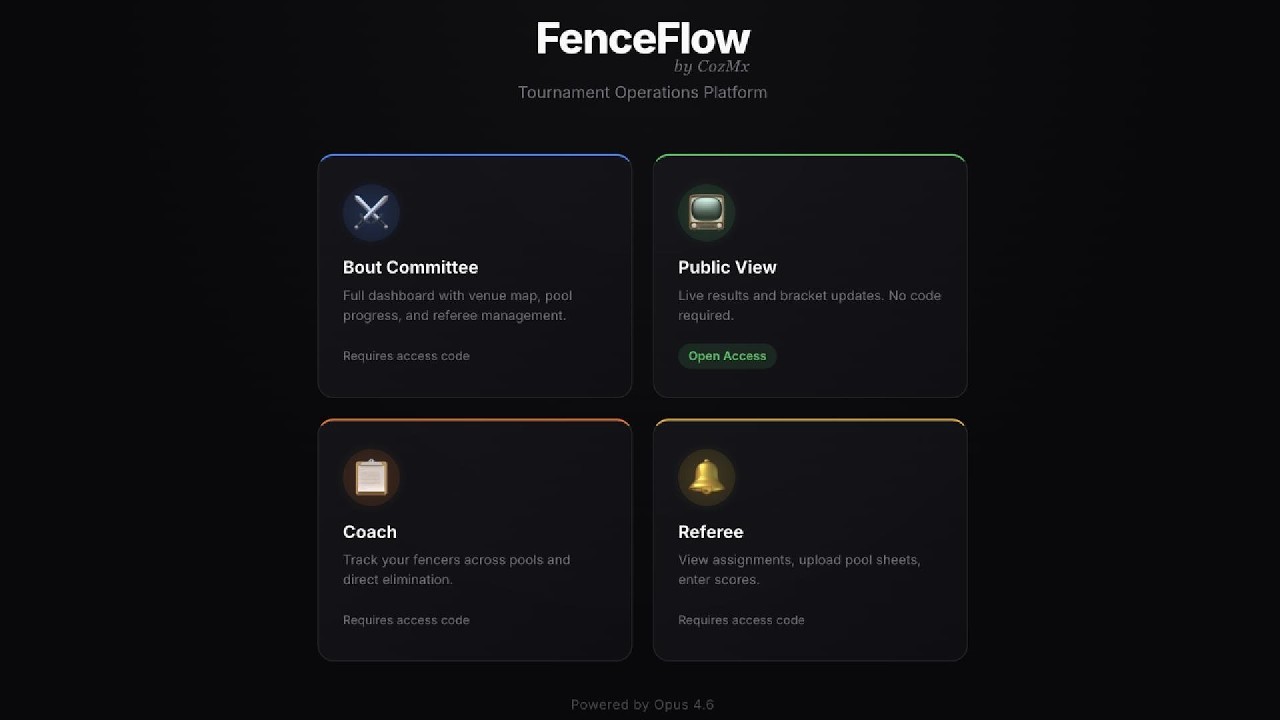
FenceFlow eliminates paper-based workflows from fencing tournaments using Opus 4.6. Built from hosting 30+ events, it solves a real problem: staff squint at…