By using clever hacks like shimming Node.js APIs, an in-memory file system, and code transformation, we can run basic Node.js apps cost-effectively in the browser without containers or server-side sandboxes. This enables new uses like interactive server-side JS playgrounds, in-browser AI coding agents, and AI-assisted coding interviews. Nodepack uses QuickJS, Monaco editor, and Claude AI models. Try Nodepack at https://nodepack.vercel.app. Opus 4.6 Use: We used Opus 4.6 for research, planning, implementation, iteration, and as if that wasn’t enough, we also used it to power the AI coding agent in Nodepack. Demo: Nodepack is functional, as demonstrated by the examples. While full Node.js parity is a massive effort, Nodepack proves what is possible with more time and resources.
More from Built with Opus 4.6: a Claude Code hackathon
CrossBeam tackles California's ADU permit crisis. 429,000+ permits issued since 2018, 90%+ sent back for corrections — each cycle costing weeks and thousands…

Elisa is a block-based visual IDE where kids design software by snapping blocks together and AI agents build it. Users compose specs using seven primitives…

Built by a practicing cardiologist - because patients forget up to 80% of what their doctor says. PostVisit.ai bridges the gap between the doctor's office…

Conductr is a browser-based MIDI instrument where you play and Claude Opus 4.6 directs the band. Four tracks of drums, bass, melody, and harmony generate in…

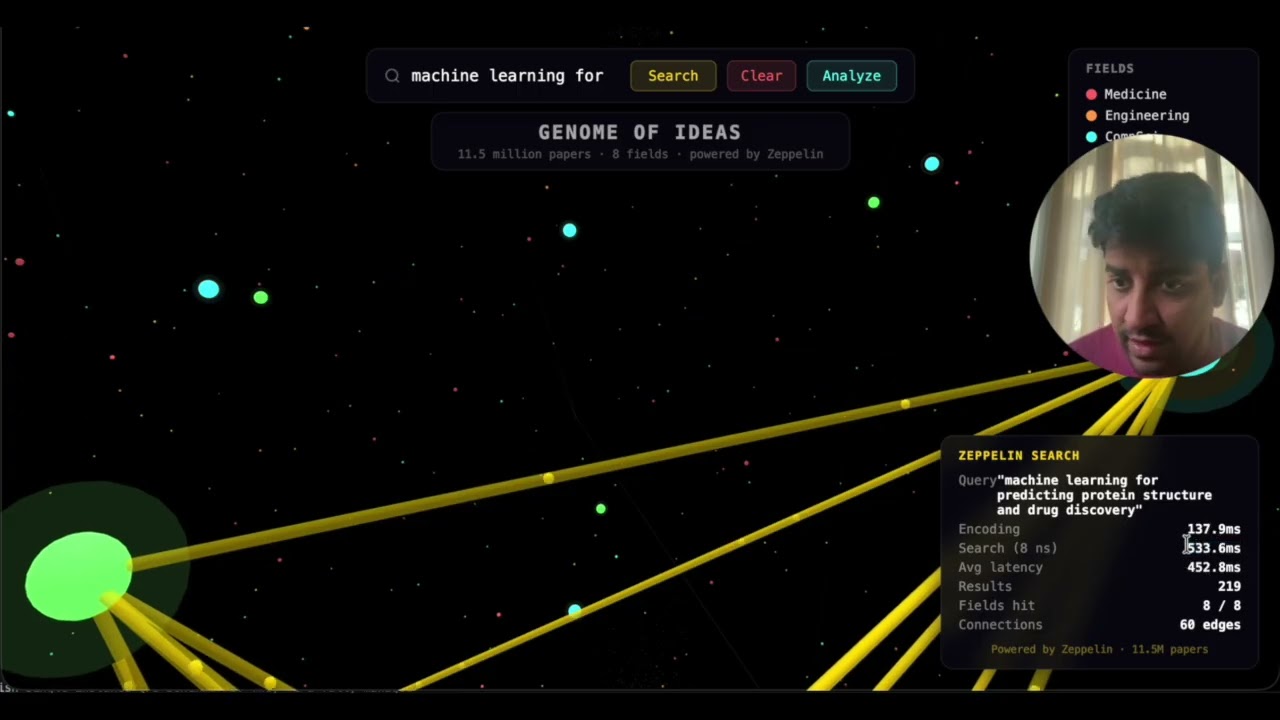
Zeppelin is a production-grade, S3-native vector search engine built entirely by Claude Opus 4.6 in long-running agentic sessions. 21,000 lines of Rust, 451…

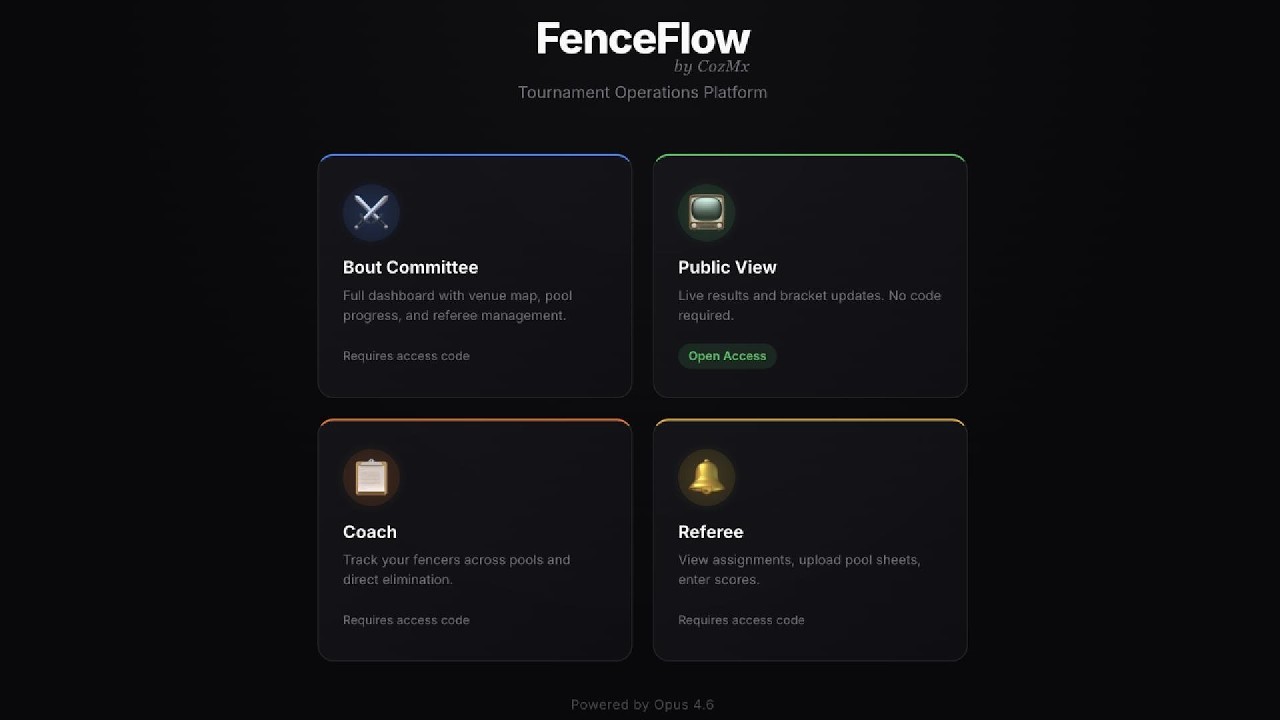
FenceFlow eliminates paper-based workflows from fencing tournaments using Opus 4.6. Built from hosting 30+ events, it solves a real problem: staff squint at…