xray reveals who really owns your code... and where that's a problem. Engineering teams make staffing and risk decisions on gut feel because the real knowledge topology is invisible. Commit counts can't tell you if someone is an architect or just fixing typos. When a key engineer leaves, you find out too late that entire systems depended on them. xray uses Claude to read actual PR diffs, classify expertise depth per contributor per module, evaluate review quality, and use extended thinking to surface hidden patterns — ghost architects, knowledge silos, review rings. A single bus factor blindspot can cost months of productivity. xray makes that risk visible and actionable before it becomes a crisis.
More from Built with Opus 4.6: a Claude Code hackathon
CrossBeam tackles California's ADU permit crisis. 429,000+ permits issued since 2018, 90%+ sent back for corrections — each cycle costing weeks and thousands…

Elisa is a block-based visual IDE where kids design software by snapping blocks together and AI agents build it. Users compose specs using seven primitives…

Built by a practicing cardiologist - because patients forget up to 80% of what their doctor says. PostVisit.ai bridges the gap between the doctor's office…

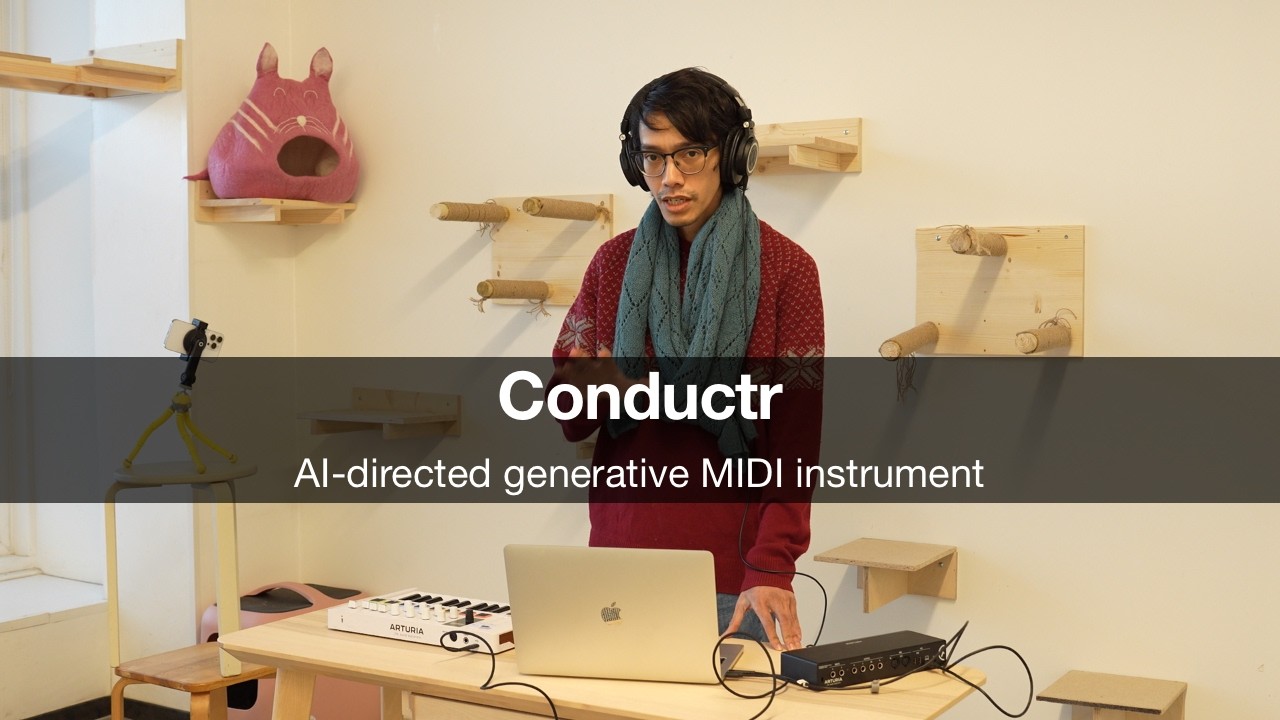
Conductr is a browser-based MIDI instrument where you play and Claude Opus 4.6 directs the band. Four tracks of drums, bass, melody, and harmony generate in…

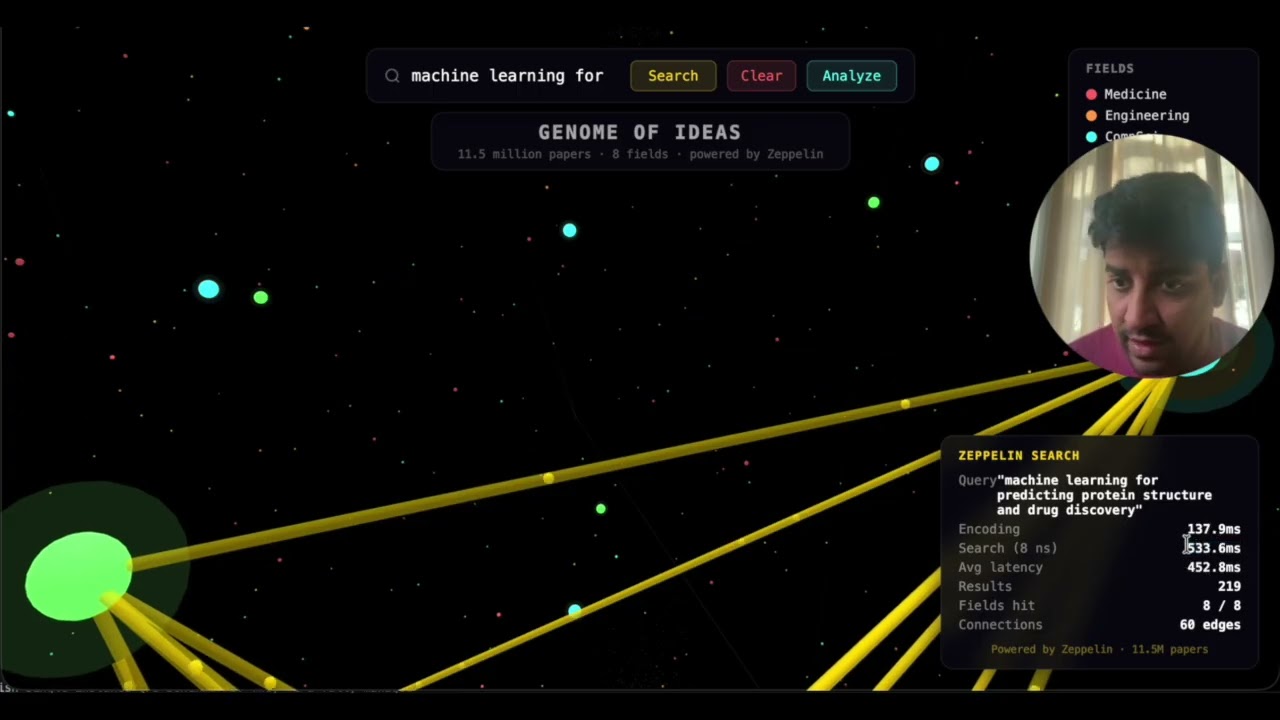
Zeppelin is a production-grade, S3-native vector search engine built entirely by Claude Opus 4.6 in long-running agentic sessions. 21,000 lines of Rust, 451…

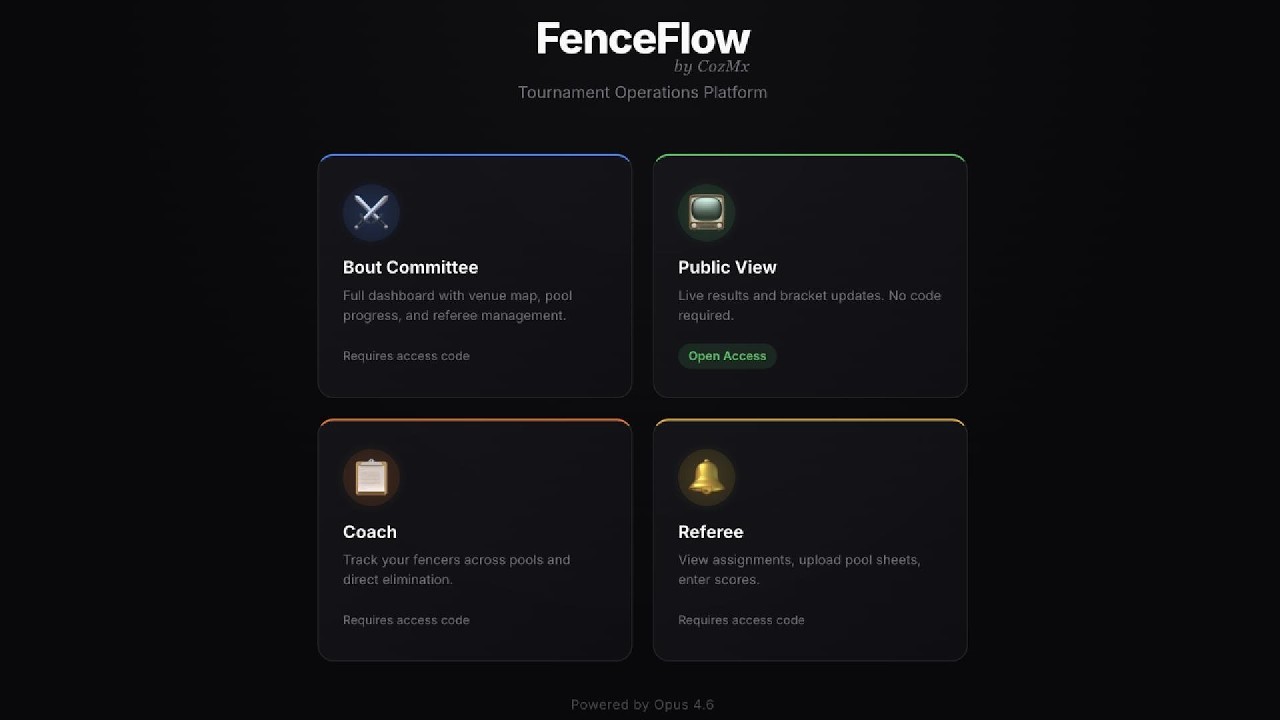
FenceFlow eliminates paper-based workflows from fencing tournaments using Opus 4.6. Built from hosting 30+ events, it solves a real problem: staff squint at…