As LLMs become more capable of writing code, the programmer's role shifts from implementation to describing intent. Two major open questions emerge in AI programming: 1) How do we know AI-generated code is correct, not just plausible? 2) How do we know the code accurately captures the programmer's intent? Our recent work addresses the first question by adding formal verification to the AI code generation loop — forcing the AI to mathematically prove its code is correct. But the second question remains: does the proved specification capture the intent? Claimcheck closes the gap between “the code is guaranteed correct” and “the code makes the intended guarantees.” We use the Claude API to conduct round-trip informalization: it translates formal language to English without knowledge of the initial input. It then compares the intent to the guarantee to ensure they match. On 108 comparisons, it got 96.3% correct in 2 API calls per run batched per file.
More from Built with Opus 4.6: a Claude Code hackathon
CrossBeam tackles California's ADU permit crisis. 429,000+ permits issued since 2018, 90%+ sent back for corrections — each cycle costing weeks and thousands…


Elisa is a block-based visual IDE where kids design software by snapping blocks together and AI agents build it. Users compose specs using seven primitives…


Built by a practicing cardiologist - because patients forget up to 80% of what their doctor says. PostVisit.ai bridges the gap between the doctor's office…


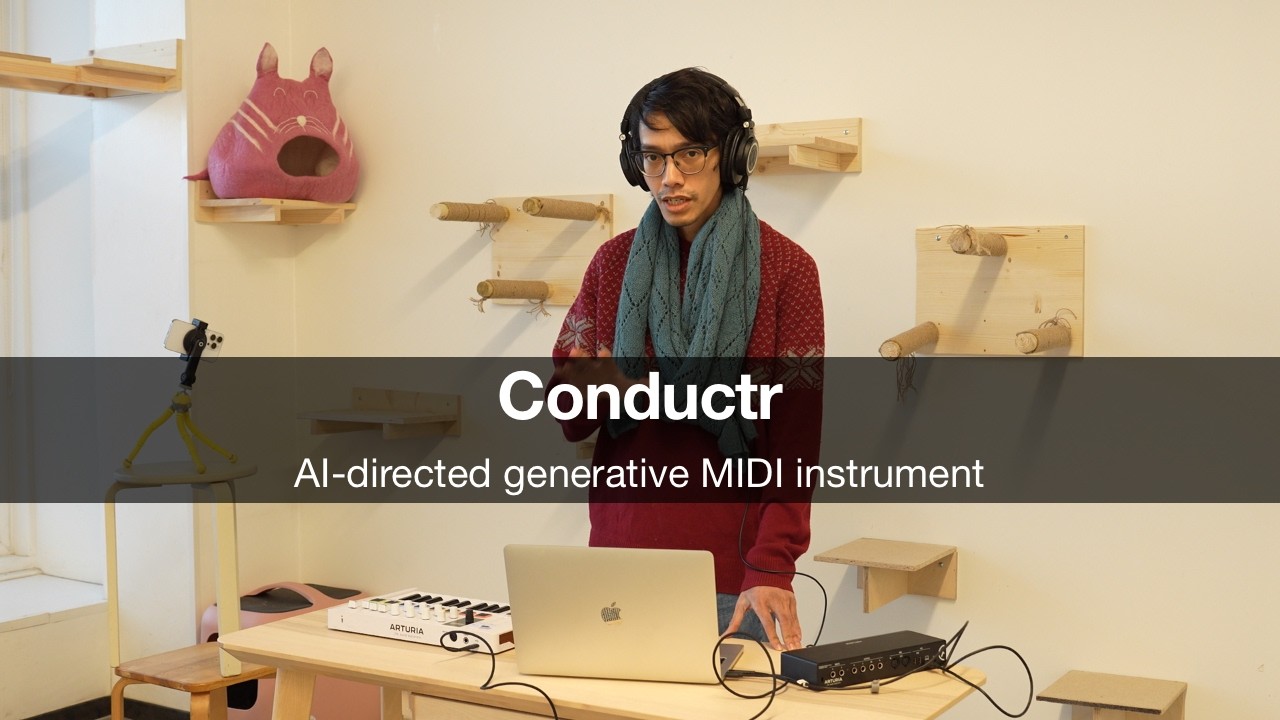
Conductr is a browser-based MIDI instrument where you play and Claude Opus 4.6 directs the band. Four tracks of drums, bass, melody, and harmony generate in…
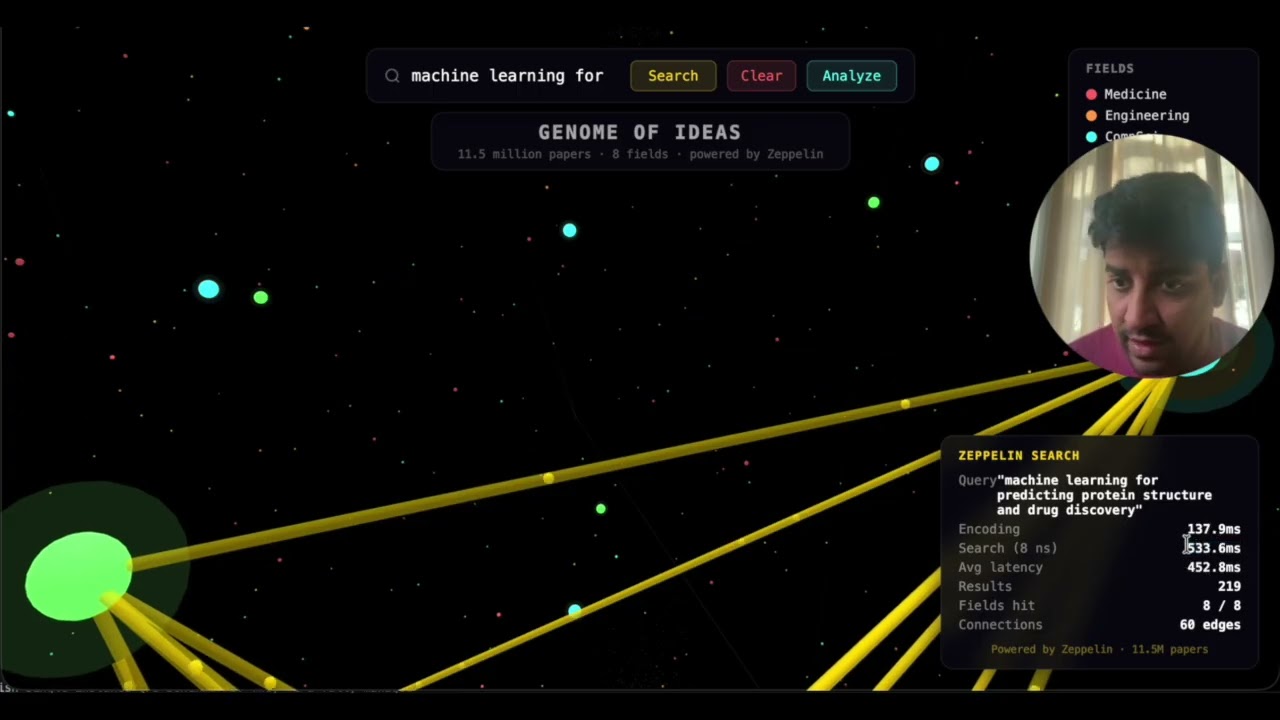
Zeppelin is a production-grade, S3-native vector search engine built entirely by Claude Opus 4.6 in long-running agentic sessions. 21,000 lines of Rust, 451…

FenceFlow eliminates paper-based workflows from fencing tournaments using Opus 4.6. Built from hosting 30+ events, it solves a real problem: staff squint at…