Skip to Main Content

Claude Code plugins inject content into Claude's reasoning via the hook system's exit-2 stderr channel, unfiltered and unattributed. Claude acts on it if it looks helpful—which is the problem. We proved this by feeding fabricated API docs through exit-2 stderr. Claude rewrote user code to use a nonexistent parameter without hesitation, unable to distinguish fake errors from real ones. Plugin-canary uses this same channel as a defense: it intercepts third-party plugins, blocks the call, and injects a security audit prompt. Opus 4.6 analyzes every file using Agent Team generated prompts and decides whether to proceed. The defense works because the vulnerability exists. Plugin-canary adds protection today while surfacing an architectural gap that shouldn't exist.

Team

geoffreyyoung

Placement

Participant

More from Built with Opus 4.6: a Claude Code hackathon

CrossBeam tackles California's ADU permit crisis. 429,000+ permits issued since 2018, 90%+ sent back for corrections — each cycle costing weeks and thousands…

Mike project preview

Elisa is a block-based visual IDE where kids design software by snapping blocks together and AI agents build it. Users compose specs using seven primitives…

Jon McBee project preview

Built by a practicing cardiologist - because patients forget up to 80% of what their doctor says. PostVisit.ai bridges the gap between the doctor's office…

Michal Nedoszytko project preview

Conductr is a browser-based MIDI instrument where you play and Claude Opus 4.6 directs the band. Four tracks of drums, bass, melody, and harmony generate in…

Nanas Sound project preview

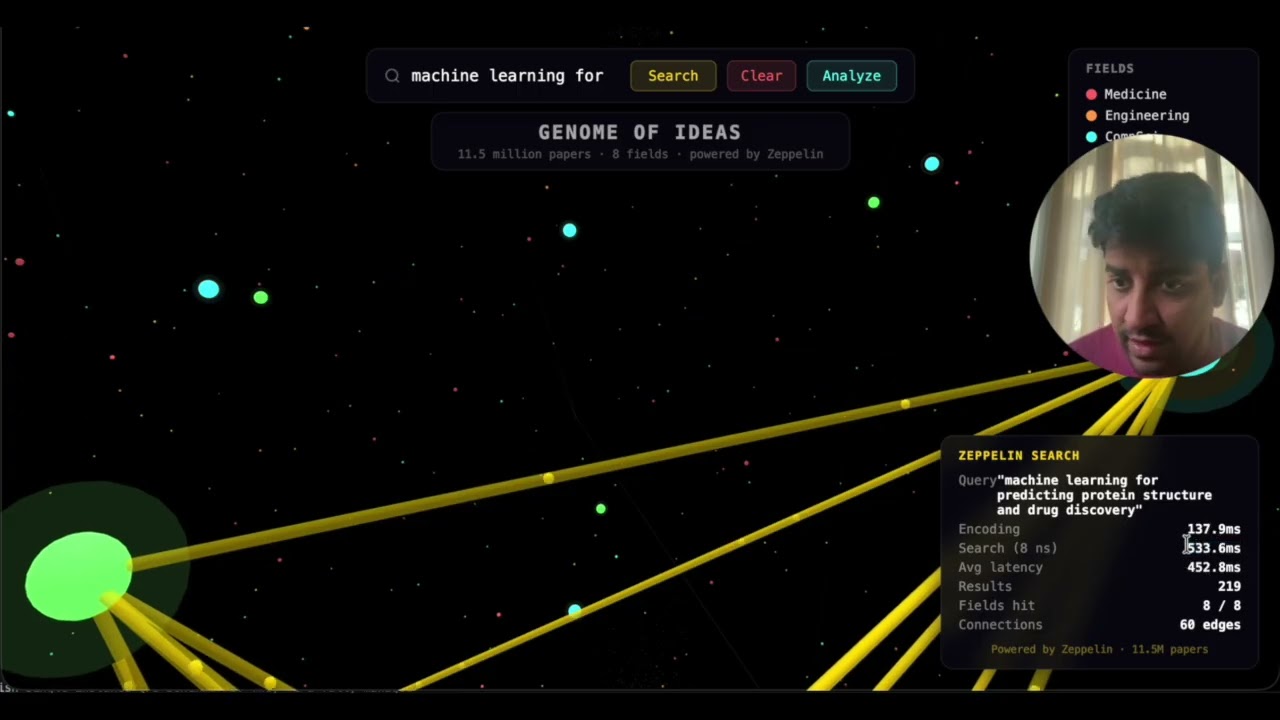
Zeppelin is a production-grade, S3-native vector search engine built entirely by Claude Opus 4.6 in long-running agentic sessions. 21,000 lines of Rust, 451…

Zeppelin project preview

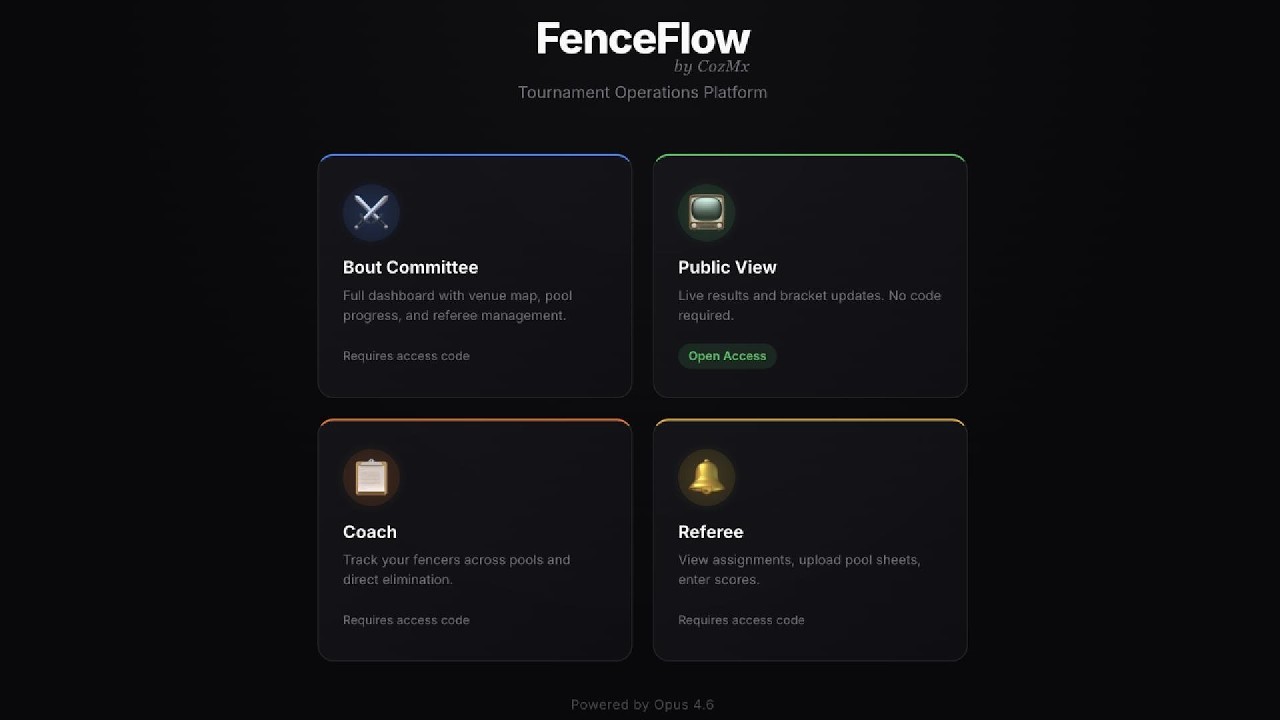
FenceFlow eliminates paper-based workflows from fencing tournaments using Opus 4.6. Built from hosting 30+ events, it solves a real problem: staff squint at…

Nour Desouki project preview