Skip to Main Content

Current AI agents can improve within one chat, then forget everything in the next. Cortex solves that by giving agents persistent memory that learns from failures automatically. It captures runtime mistakes (tool errors, wrong syntax, bad action choices), turns them into structured lessons, and retrieves the most relevant lessons by domain/task context during future runs. Lessons are outcome-scored: helpful lessons are reused/promoted, harmful ones are suppressed. In our mixed benchmark (gridtool -> fluxtool -> shell/excel -> sqlite -> grid retention), Wave 1 starts cold and fails multiple tasks; Waves 2–3 recover with higher pass rates, fewer errors, and fewer steps. This moves agents from stateless chat behavior toward cumulative learning from real execution history.

Team

artemgetman

Placement

Participant

More from Built with Opus 4.6: a Claude Code hackathon

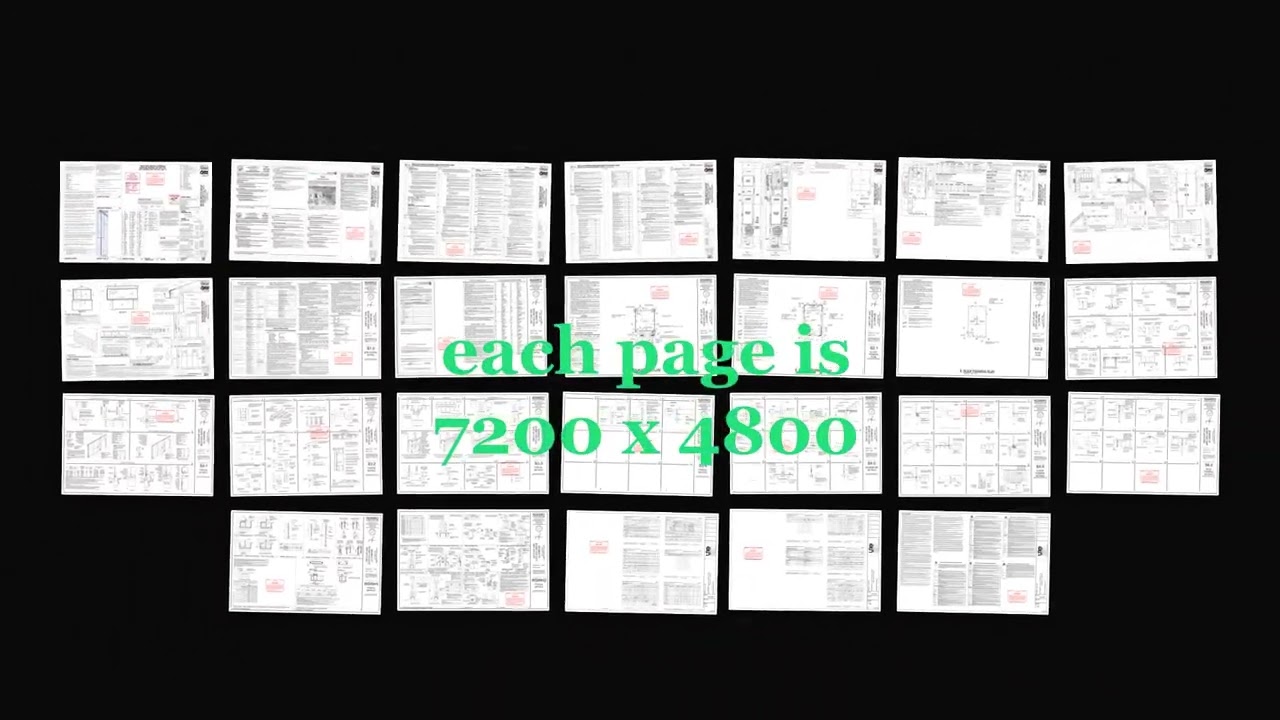
CrossBeam tackles California's ADU permit crisis. 429,000+ permits issued since 2018, 90%+ sent back for corrections — each cycle costing weeks and thousands…

Mike project preview

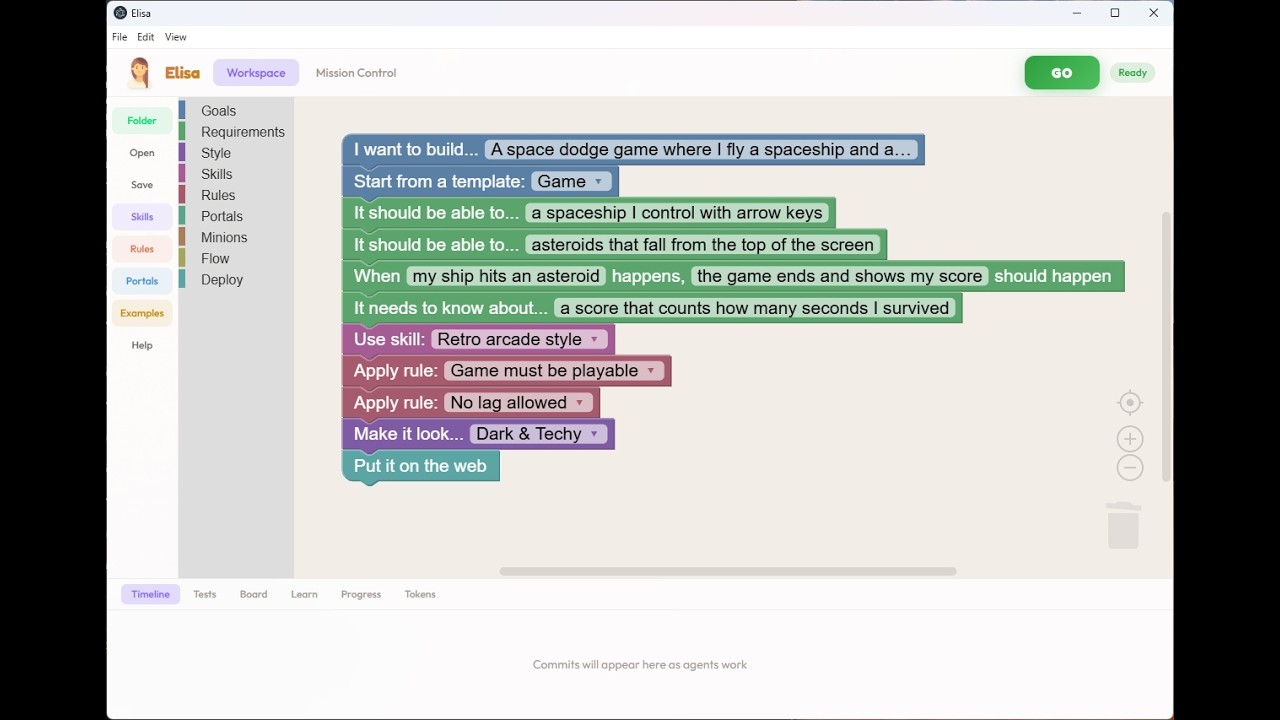
Elisa is a block-based visual IDE where kids design software by snapping blocks together and AI agents build it. Users compose specs using seven primitives…

Jon McBee project preview

Built by a practicing cardiologist - because patients forget up to 80% of what their doctor says. PostVisit.ai bridges the gap between the doctor's office…

Michal Nedoszytko project preview

Conductr is a browser-based MIDI instrument where you play and Claude Opus 4.6 directs the band. Four tracks of drums, bass, melody, and harmony generate in…

Nanas Sound project preview

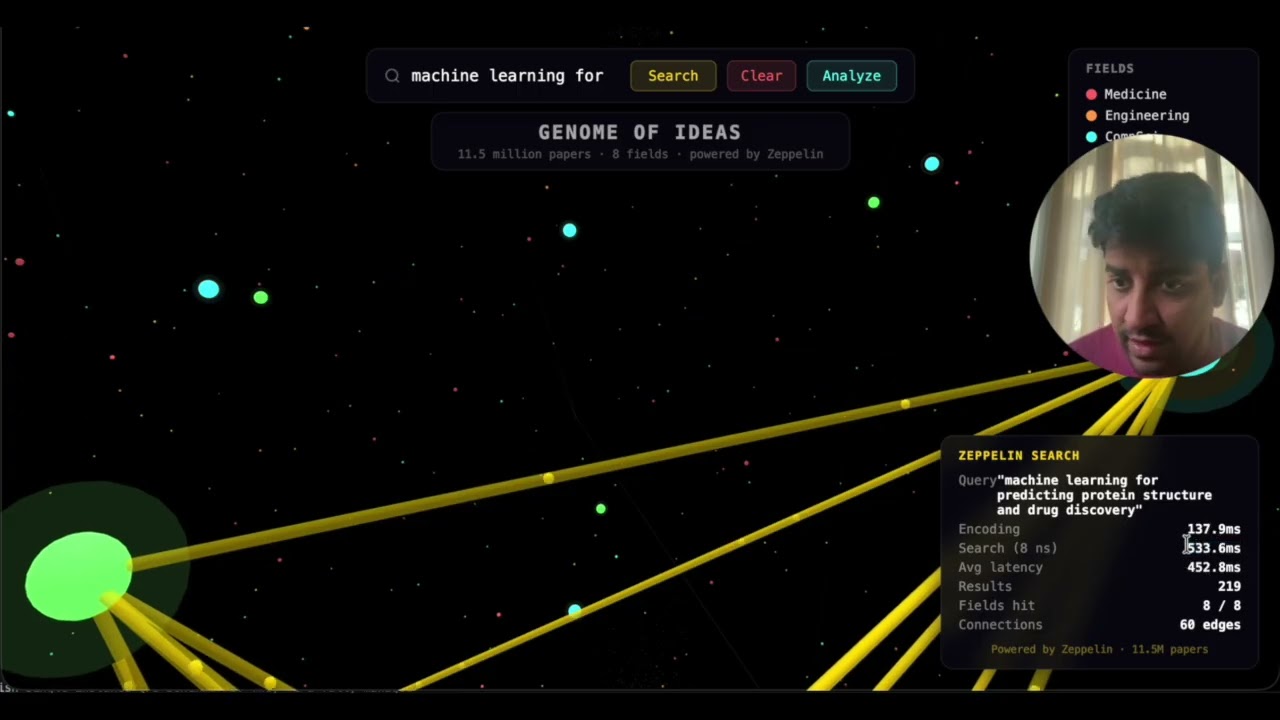
Zeppelin is a production-grade, S3-native vector search engine built entirely by Claude Opus 4.6 in long-running agentic sessions. 21,000 lines of Rust, 451…

Zeppelin project preview

FenceFlow eliminates paper-based workflows from fencing tournaments using Opus 4.6. Built from hosting 30+ events, it solves a real problem: staff squint at…

Nour Desouki project preview