Every software release needs the same marketing work: release notes, a blog post, an X thread, a LinkedIn update, a Reddit post. Different voice for each platform. Developers either skip it or spend hours context-switching. ShipIt does it in one command. Point shipit at any repo — local path or GitHub URL — and it generates all five pieces, each matched to its platform's voice and audience. Opus 4.6 plays three roles in isolated pipeline stages: analyst (reads README, CHANGELOG, commits, and code into a structured briefing), writer (generates in five channel-specific voices), and editor (reviews output for AI writing tells and rewrites failures). Each stage is an executable markdown file that runs through Claude Code — add a channel by adding a file. --focus steers what to emphasize. --since scopes to recent changes. --live streams to your terminal. --open loads drafts into your browser's compose UI. --dangerously-post posts live. No API keys, no cloud, no Docker.
More from Built with Opus 4.6: a Claude Code hackathon
CrossBeam tackles California's ADU permit crisis. 429,000+ permits issued since 2018, 90%+ sent back for corrections — each cycle costing weeks and thousands…


Elisa is a block-based visual IDE where kids design software by snapping blocks together and AI agents build it. Users compose specs using seven primitives…


Built by a practicing cardiologist - because patients forget up to 80% of what their doctor says. PostVisit.ai bridges the gap between the doctor's office…


Conductr is a browser-based MIDI instrument where you play and Claude Opus 4.6 directs the band. Four tracks of drums, bass, melody, and harmony generate in…

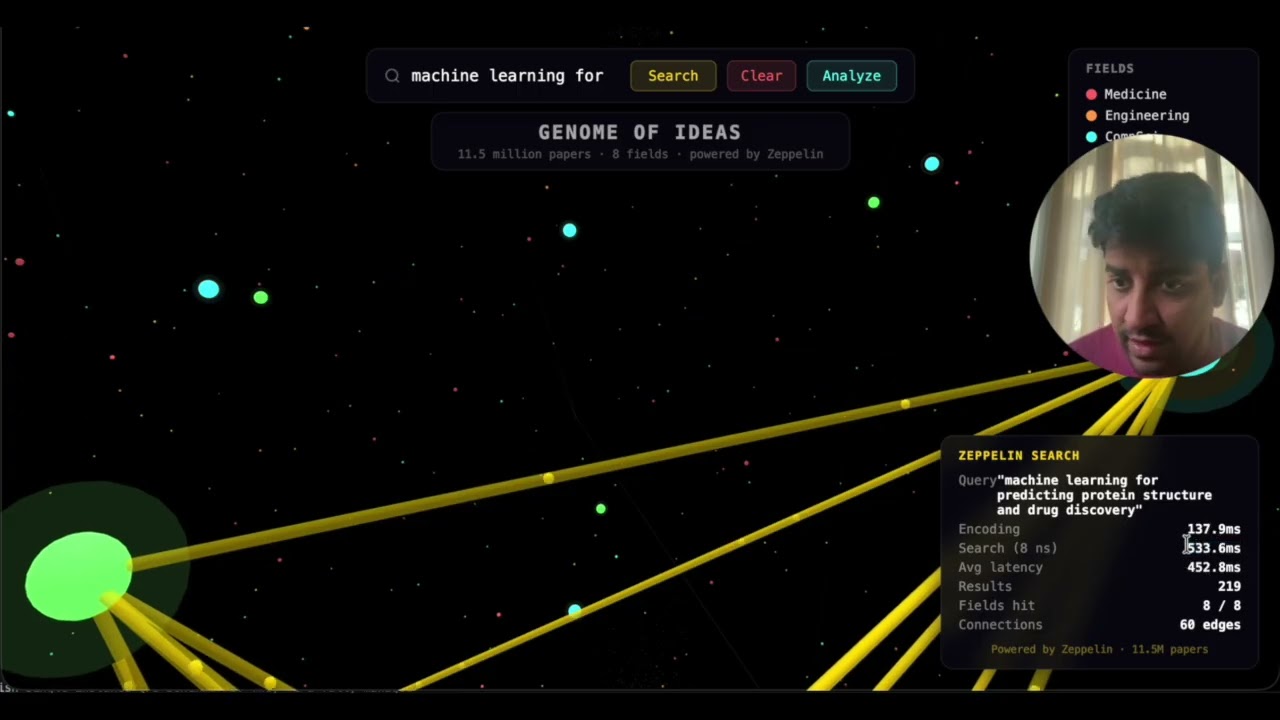
Zeppelin is a production-grade, S3-native vector search engine built entirely by Claude Opus 4.6 in long-running agentic sessions. 21,000 lines of Rust, 451…

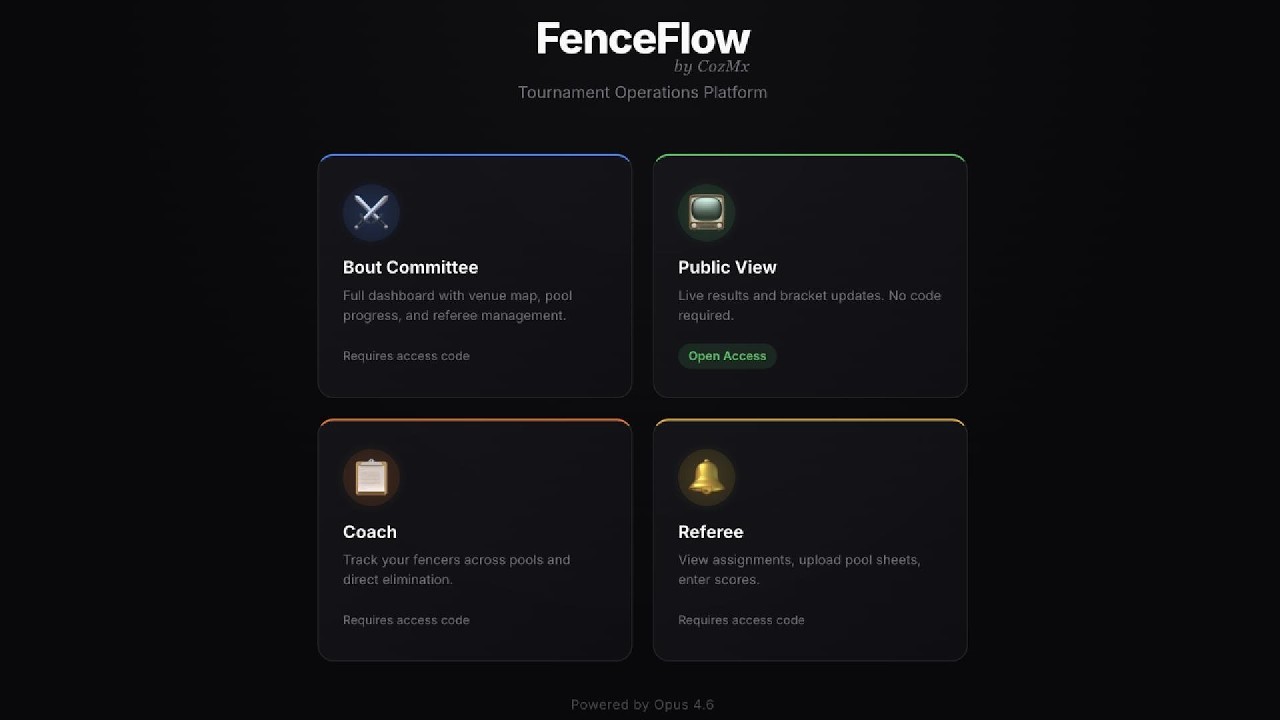
FenceFlow eliminates paper-based workflows from fencing tournaments using Opus 4.6. Built from hosting 30+ events, it solves a real problem: staff squint at…