I agent benchmarks today are static: run agents, score results, manually tweak prompts, repeat. Researchers spend more time diagnosing failures and hand-tuning strategies than running experiments. The feedback loop between "what went wrong" and "what to try next" is entirely manual -- and it doesn't scale. Kekule is a Claude Code skill that closes this loop. You define a task set and point kekule-bench at it. A swarm of Claude agents solves tasks, then the system runs its own retrospective: a failure analyst diagnoses why each fix broke, a coordinator distills generic lessons and invents new verification strategies, and the next epoch runs with a rewritten playbook. The verification engine evolves autonomously. In our first experiment, the coordinator invented 5 oracle strategies that didn't exist at startup. We targeted SWE-bench tasks the current SOTA couldn't solve and resolved 2.
More from Built with Opus 4.6: a Claude Code hackathon
CrossBeam tackles California's ADU permit crisis. 429,000+ permits issued since 2018, 90%+ sent back for corrections — each cycle costing weeks and thousands…

Elisa is a block-based visual IDE where kids design software by snapping blocks together and AI agents build it. Users compose specs using seven primitives…

Built by a practicing cardiologist - because patients forget up to 80% of what their doctor says. PostVisit.ai bridges the gap between the doctor's office…

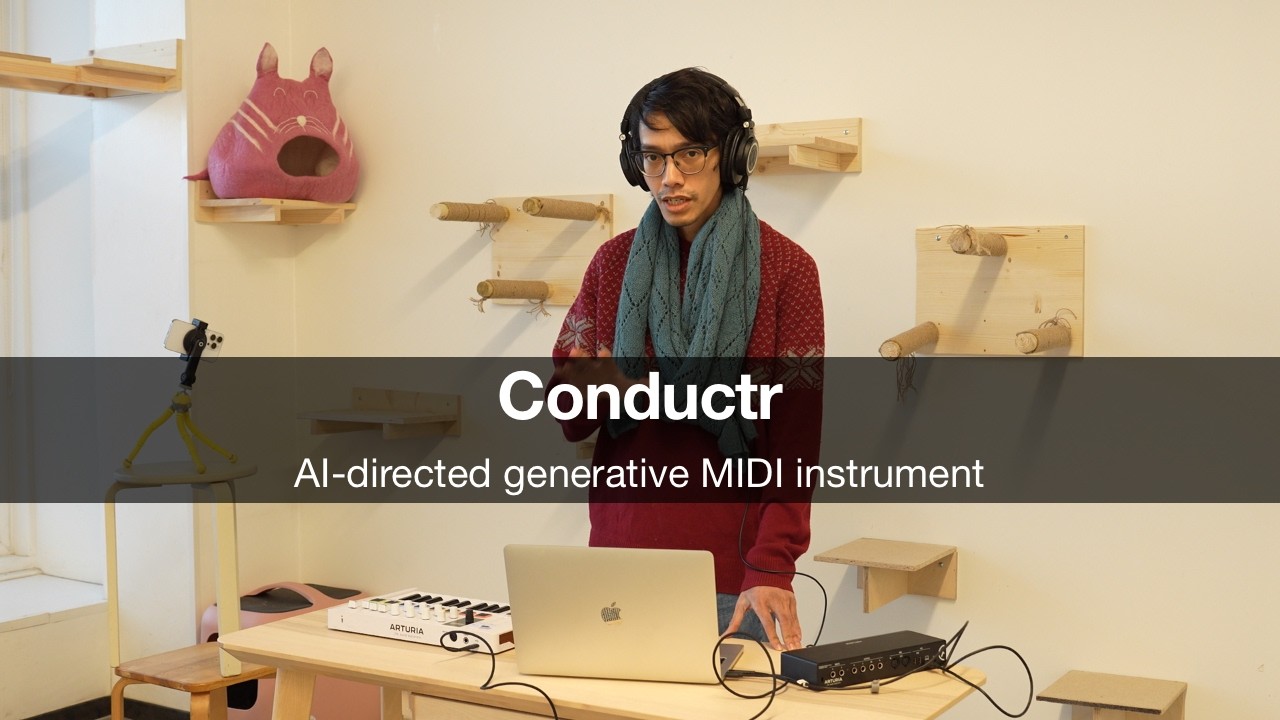
Conductr is a browser-based MIDI instrument where you play and Claude Opus 4.6 directs the band. Four tracks of drums, bass, melody, and harmony generate in…

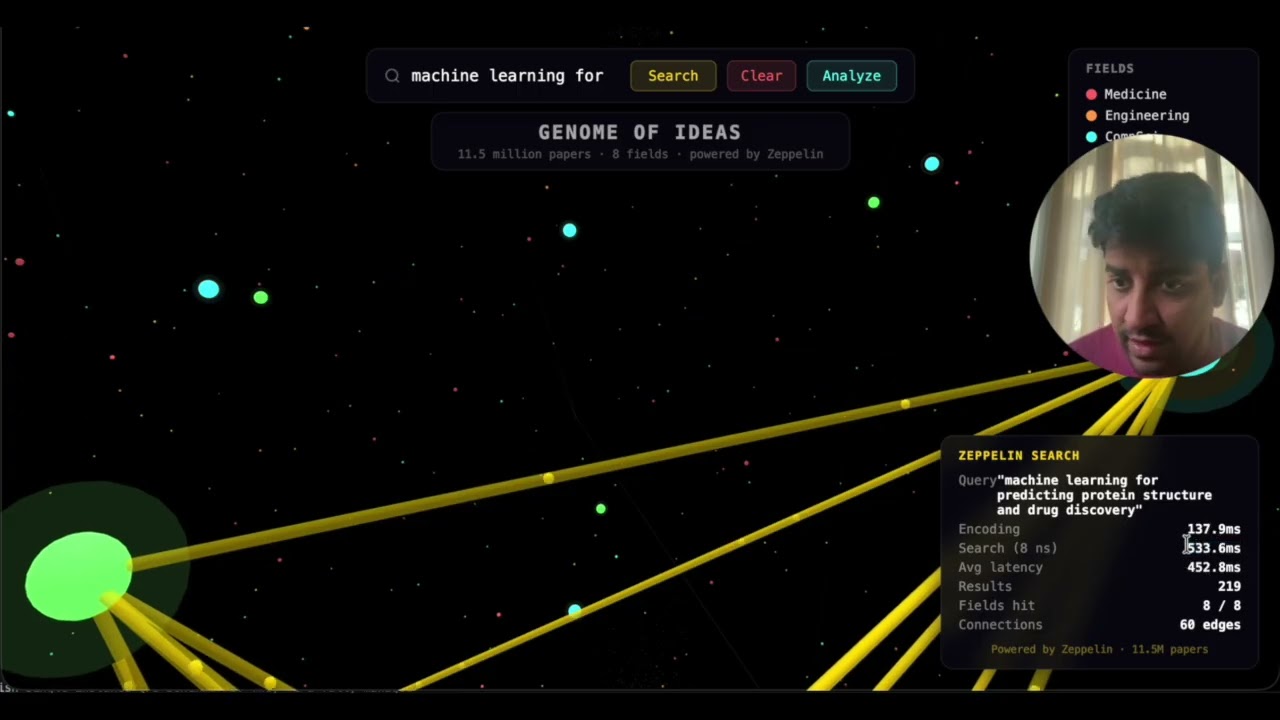
Zeppelin is a production-grade, S3-native vector search engine built entirely by Claude Opus 4.6 in long-running agentic sessions. 21,000 lines of Rust, 451…

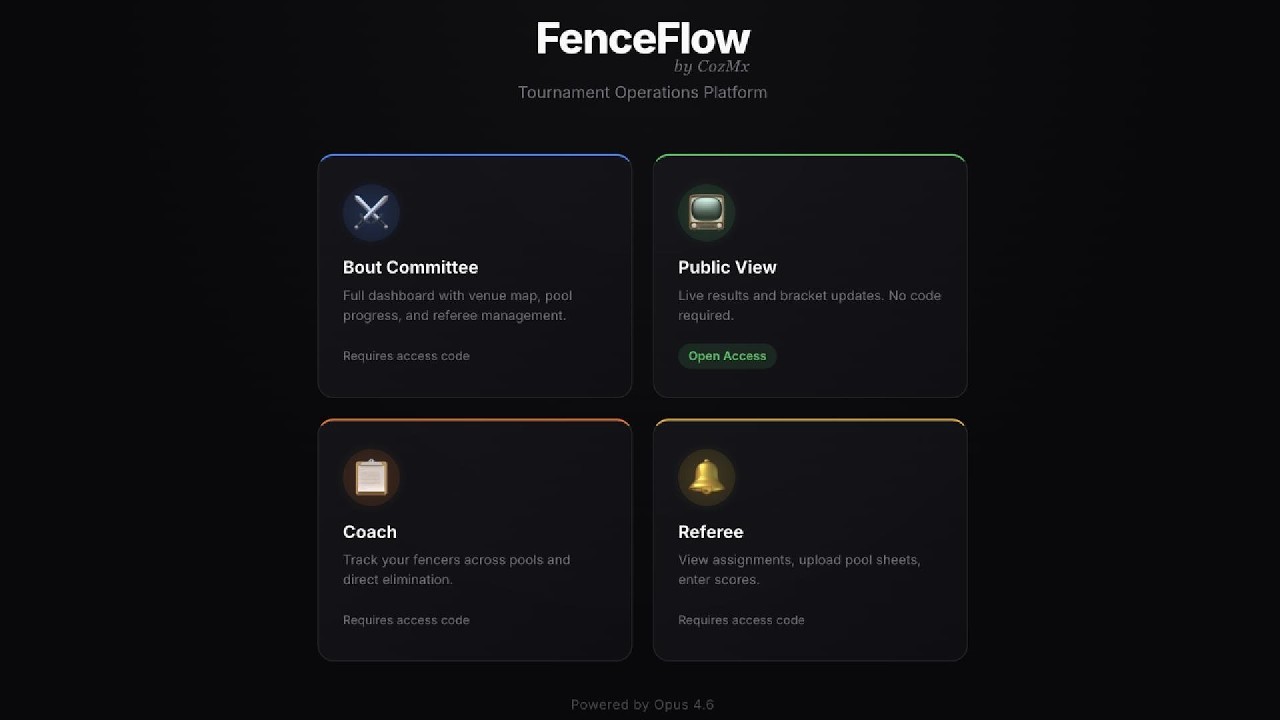
FenceFlow eliminates paper-based workflows from fencing tournaments using Opus 4.6. Built from hosting 30+ events, it solves a real problem: staff squint at…