Tax filings and official paperwork are rigid, confusing, and easy to get wrong, even when the information itself is simple. Most digital solutions simply replicate paper forms on a screen, forcing users to navigate a static wall of fields without context or guidance. FormOS rethinks this from the ground up. It turns any PDF into a dynamic, step-by-step workflow powered by Claude Opus 4.6 with native PDF understanding. Instead of mapping templates manually, the system interprets the actual document, decides what information is required, and generates the interface in real time using a fully dynamic generative UI. Each question adapts to prior answers and available context, reducing cognitive load and preventing errors before they happen. At the end, FormOS produces a completed output file, transforming complex tax and compliance filings into a structured, guided experience driven by an autonomous agent rather than a static form.
More from Built with Opus 4.6: a Claude Code hackathon
CrossBeam tackles California's ADU permit crisis. 429,000+ permits issued since 2018, 90%+ sent back for corrections — each cycle costing weeks and thousands…


Elisa is a block-based visual IDE where kids design software by snapping blocks together and AI agents build it. Users compose specs using seven primitives…


Built by a practicing cardiologist - because patients forget up to 80% of what their doctor says. PostVisit.ai bridges the gap between the doctor's office…


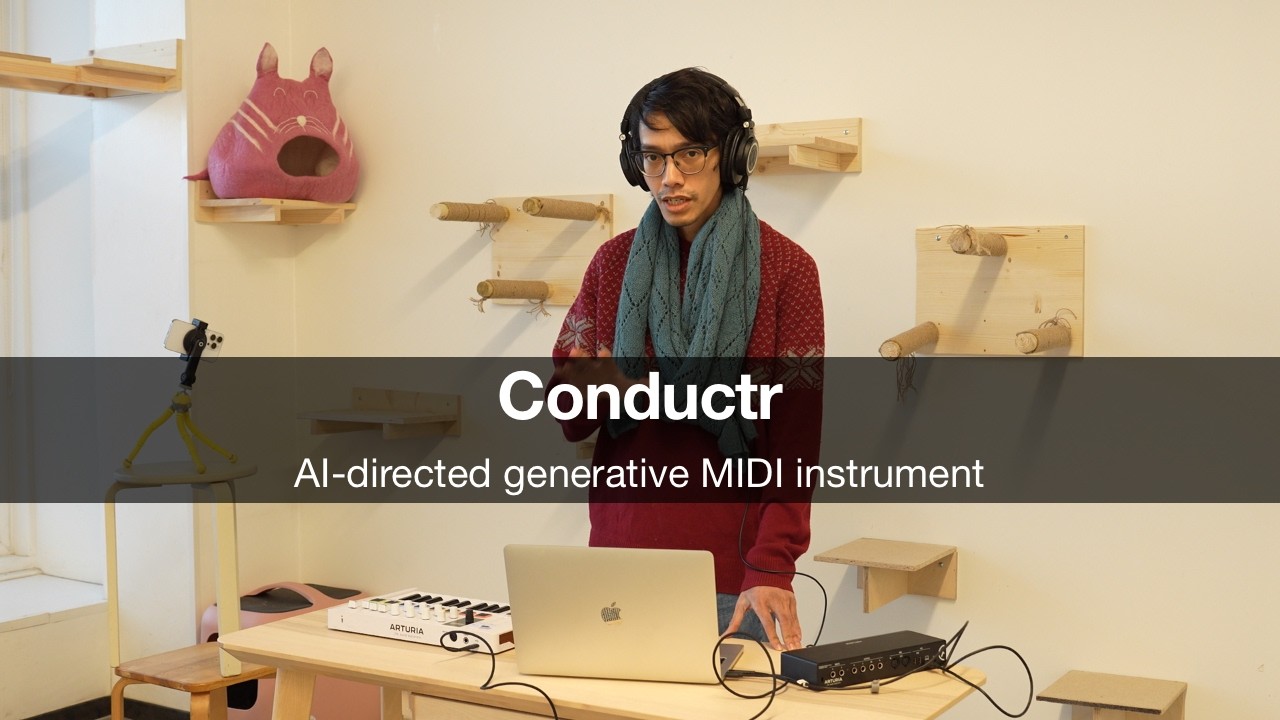
Conductr is a browser-based MIDI instrument where you play and Claude Opus 4.6 directs the band. Four tracks of drums, bass, melody, and harmony generate in…
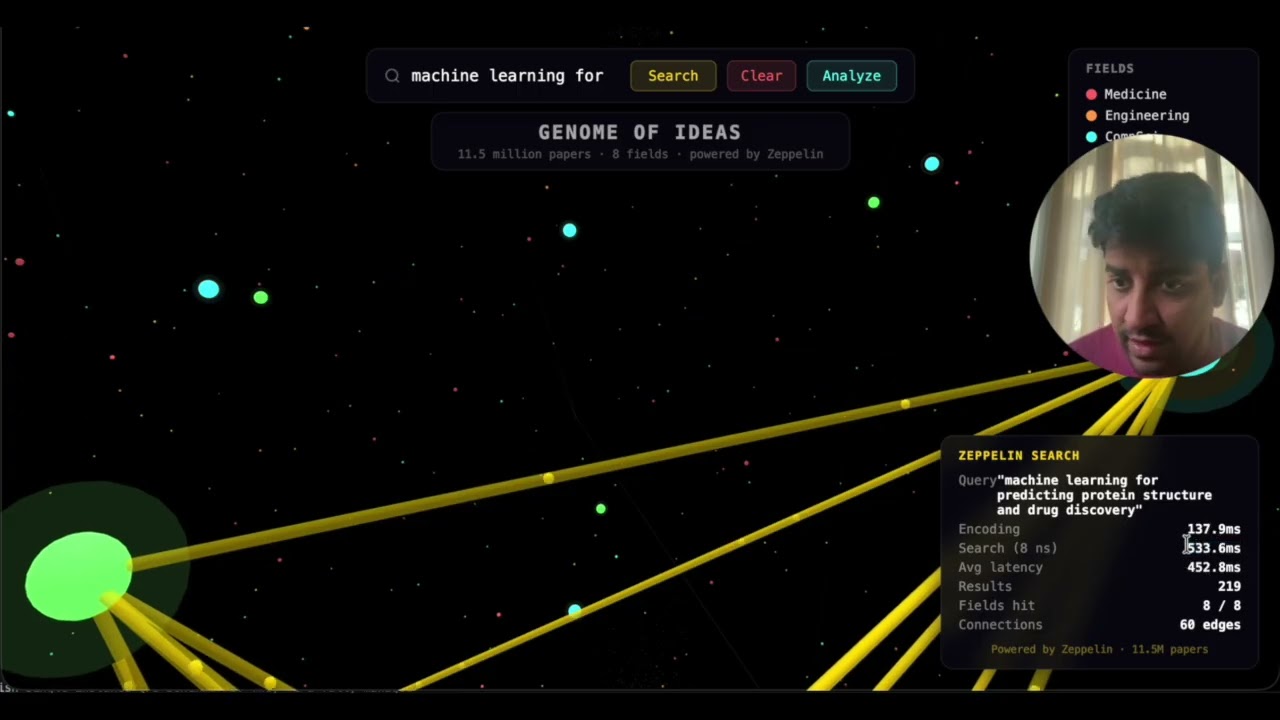
Zeppelin is a production-grade, S3-native vector search engine built entirely by Claude Opus 4.6 in long-running agentic sessions. 21,000 lines of Rust, 451…

FenceFlow eliminates paper-based workflows from fencing tournaments using Opus 4.6. Built from hosting 30+ events, it solves a real problem: staff squint at…