wildcatter turns a natural-language question into a standalone Python script that answers it. You ask something like "revenue per comma in the CEO letter for every Fortune 50 company" — an LLM decomposes it into a plan, writes a Python script that fetches real data (SEC filings, FRED, Wikipedia, Yahoo Finance, web scraping), runs it, validates the output with auto-generated tests, and saves the result as a reusable "rig." Rigs re-run without the LLM. If something breaks (API changed, site restructured), the system calls the LLM to fix the code automatically. You can also set up triggers to re-run on a schedule or when a condition fires. The output is a structured table you can export directly to excel or via MCP
More from Built with Opus 4.6: a Claude Code hackathon
CrossBeam tackles California's ADU permit crisis. 429,000+ permits issued since 2018, 90%+ sent back for corrections — each cycle costing weeks and thousands…

Elisa is a block-based visual IDE where kids design software by snapping blocks together and AI agents build it. Users compose specs using seven primitives…

Built by a practicing cardiologist - because patients forget up to 80% of what their doctor says. PostVisit.ai bridges the gap between the doctor's office…

Conductr is a browser-based MIDI instrument where you play and Claude Opus 4.6 directs the band. Four tracks of drums, bass, melody, and harmony generate in…

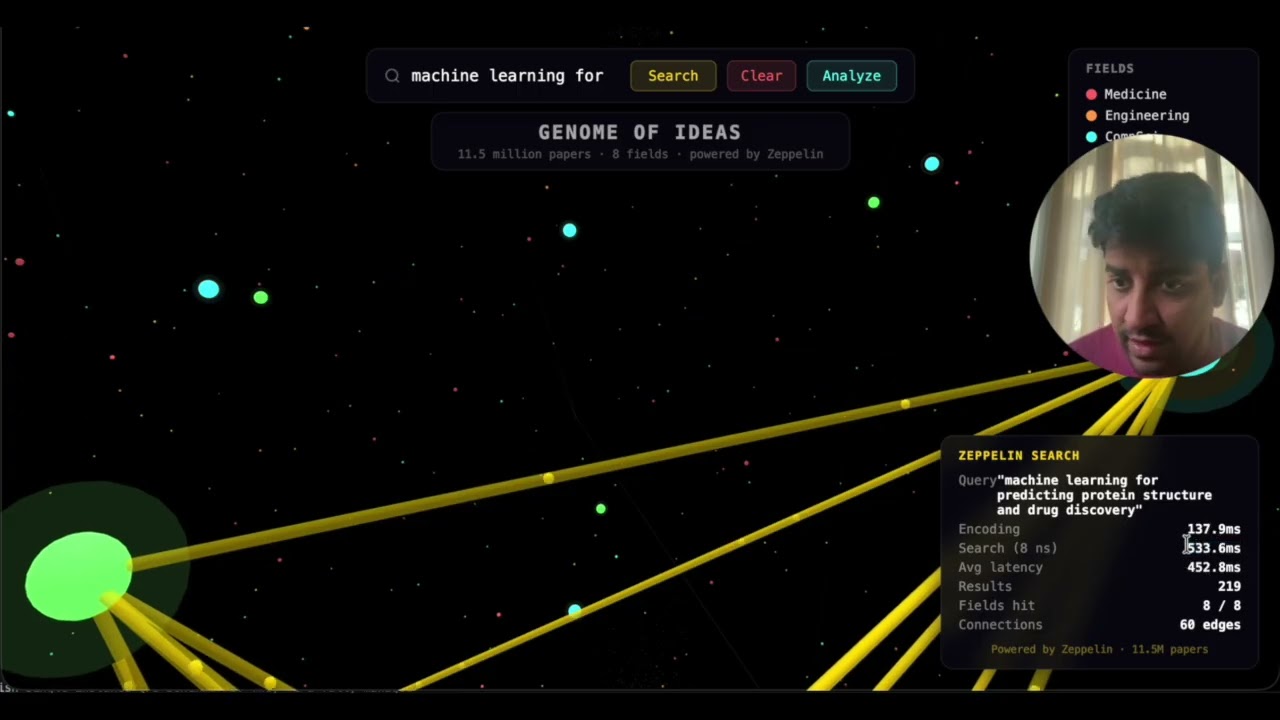
Zeppelin is a production-grade, S3-native vector search engine built entirely by Claude Opus 4.6 in long-running agentic sessions. 21,000 lines of Rust, 451…

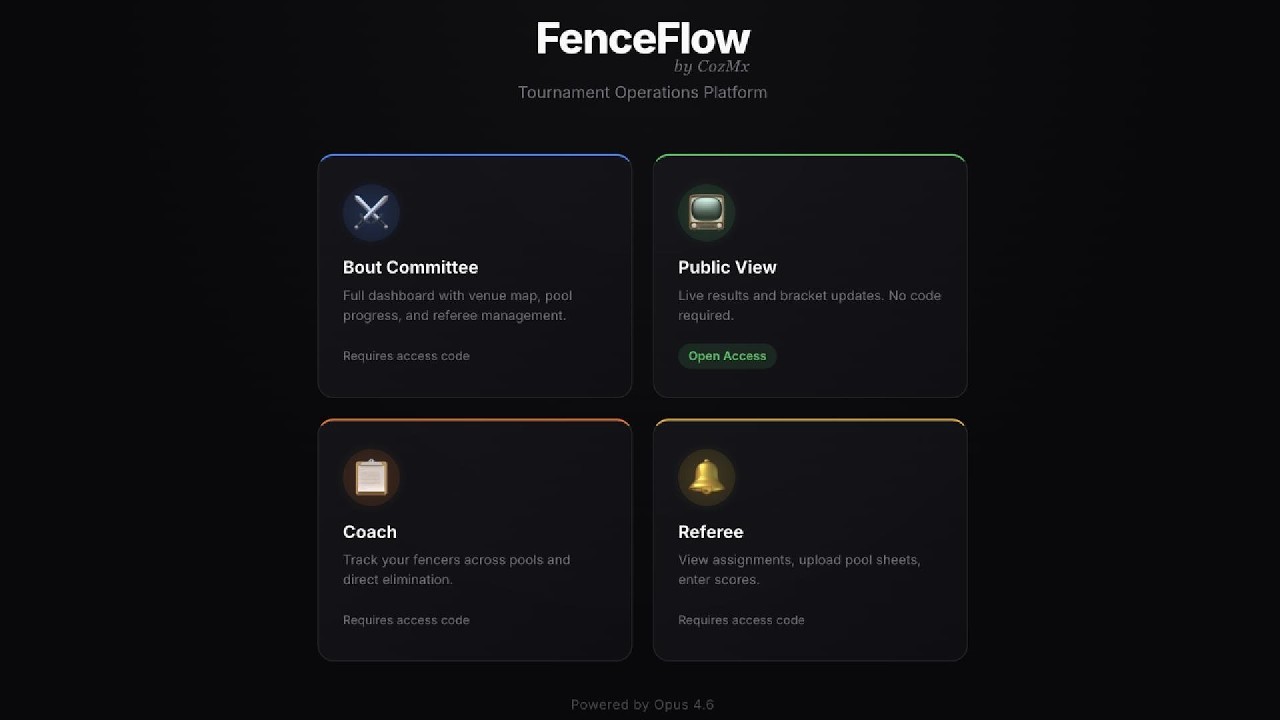
FenceFlow eliminates paper-based workflows from fencing tournaments using Opus 4.6. Built from hosting 30+ events, it solves a real problem: staff squint at…