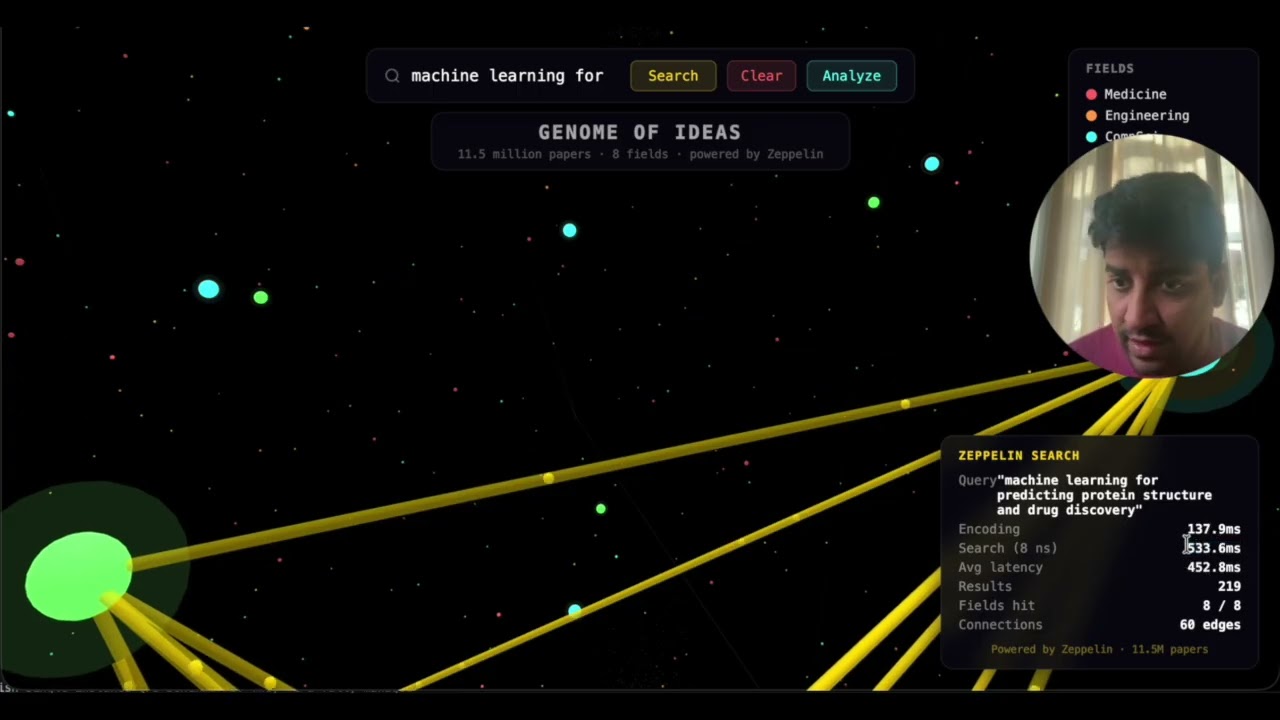
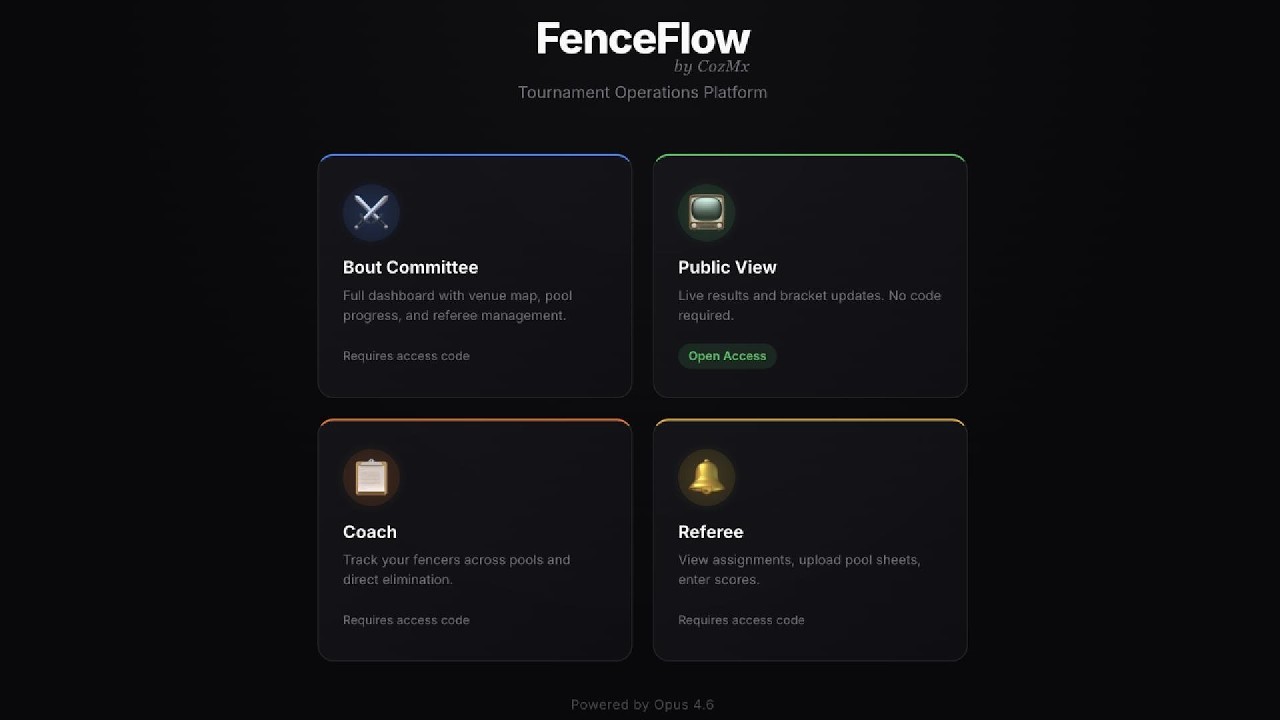
MCP gave agents tools. ATP gives agents triggers. Today, AI agents are purely reactive — they can't monitor your inbox, watch a Slack thread, or follow up on a PR review. ATP changes that. ATP is an open, local-first protocol that lets agents subscribe to real-world events and act when they happen. Some examples: Claude sends an email, a reply arrives three hours later, and Claude picks it back up. A new Intercom message comes in. Claude investigates and replies. When the customer replies a day later, Claude picks it up in the same session. It defines three roles: Watchers (adapters for Gmail, Slack, etc.), Core (a local daemon that routes events), and Hosts (AI agents like Claude Code). Just as MCP enabled a community ecosystem of tool servers, ATP enables one for event watchers — making it easy to build async, long-running agents. Our demo shows the full loop: Claude Code sends an email, subscribes to the thread, and resumes when a reply arrives — no human in the loop.
Team

Placement
Participant