Nexus is a full-stack platform that transforms how scientists run experimental optimization campaigns. Instead of manually choosing algorithms, tuning hyperparameters, and guessing when to switch strategies, Nexus autonomously diagnoses, decides, and explains — acting as a scientific reasoning partner, not a black box. Scientists spend 80% of optimization time on algorithm selection and debugging, not science. Existing tools like Optuna or Ax give you the next point to evaluate — but they don't tell you *why*, they can't detect when your instrument has drifted, and they start from scratch every campaign. Nexus tells you WHY, not just WHAT's next.
More from Built with Opus 4.6: a Claude Code hackathon
CrossBeam tackles California's ADU permit crisis. 429,000+ permits issued since 2018, 90%+ sent back for corrections — each cycle costing weeks and thousands…

Elisa is a block-based visual IDE where kids design software by snapping blocks together and AI agents build it. Users compose specs using seven primitives…

Built by a practicing cardiologist - because patients forget up to 80% of what their doctor says. PostVisit.ai bridges the gap between the doctor's office…

Conductr is a browser-based MIDI instrument where you play and Claude Opus 4.6 directs the band. Four tracks of drums, bass, melody, and harmony generate in…

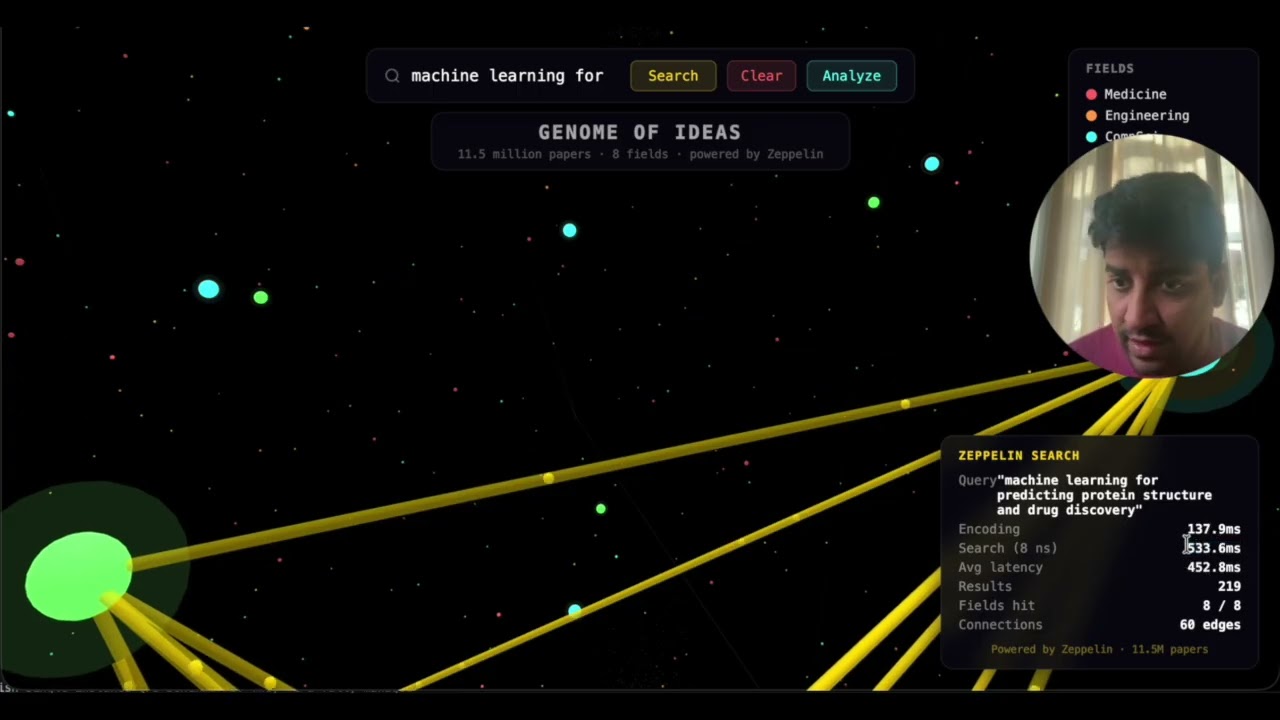
Zeppelin is a production-grade, S3-native vector search engine built entirely by Claude Opus 4.6 in long-running agentic sessions. 21,000 lines of Rust, 451…

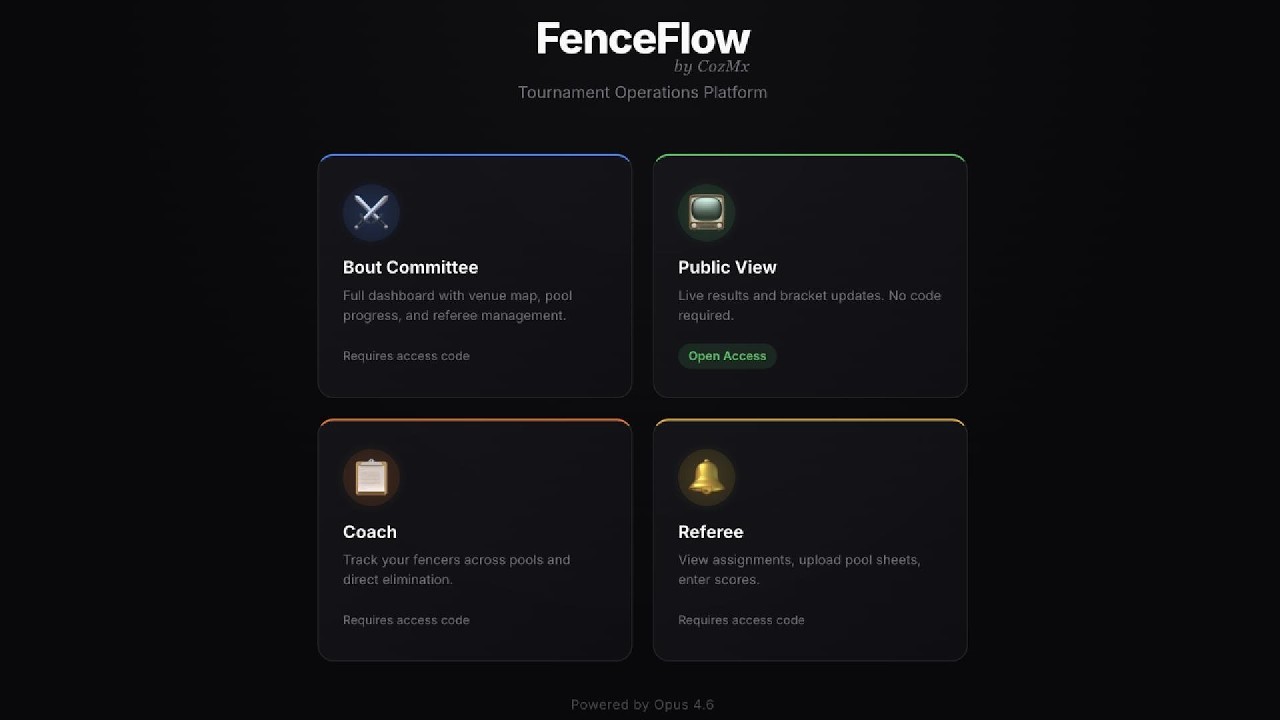
FenceFlow eliminates paper-based workflows from fencing tournaments using Opus 4.6. Built from hosting 30+ events, it solves a real problem: staff squint at…