According to the WHO, medication errors contribute to over 3 million deaths every year, most of them in low and middle-income countries where no pharmacist exists to catch a dangerous prescription. RxGuard is built for those patients. My wife is a pharmacist in Belgium. When I asked her what she does before giving a patient their medicine, she described checking every drug interaction, every contraindication, every patient-specific risk. Most patients in Bangladesh (my home country) never get any of that. They hand over the prescription, get the drugs, and go home. That gap is what RxGuard is built to close. RxGuard is a prescription safety checker for patients in Bangladesh who do not have access to pharmacists due to the critical shortage of qualified pharmacy professionals in the country. A patient photographs a handwritten prescription, answers a few questions about themselves, and RxGuard flags any known dangers and then tells them to return to their doctor. Claude Opus 4.7 does two things: 1. Reads handwritten Bengali and English prescriptions using vision OCR, and 2. Reasons over real FDA and NLM clinical data to detect drug interactions and patient-specific risks. Every flag requires a verified citation from OpenFDA, the NLM Drug Interaction API, or the WHO Essential Medicines List. RxGuard never recommends alternatives, never changes doses, and never stores patient data. It only flags potential risks and recommends returning to the doctor. Our goal is to scale RxGuard beyond Bangladesh, to every country where pharmacists are scarce and patients are at risk. According to the WHO, 2 billion people worldwide lack regular access to essential medicines. We cannot train thousands of pharmacists overnight, but we can put a prescription safety check in every pocket. Starting with Bangladesh, expanding to Africa, South Asia, and every underserved region where a wrong medicine can cost a life. Our goal is clear and simple: no prescription should go unchecked.
More from Built with Opus 4.7: a Claude Code hackathon
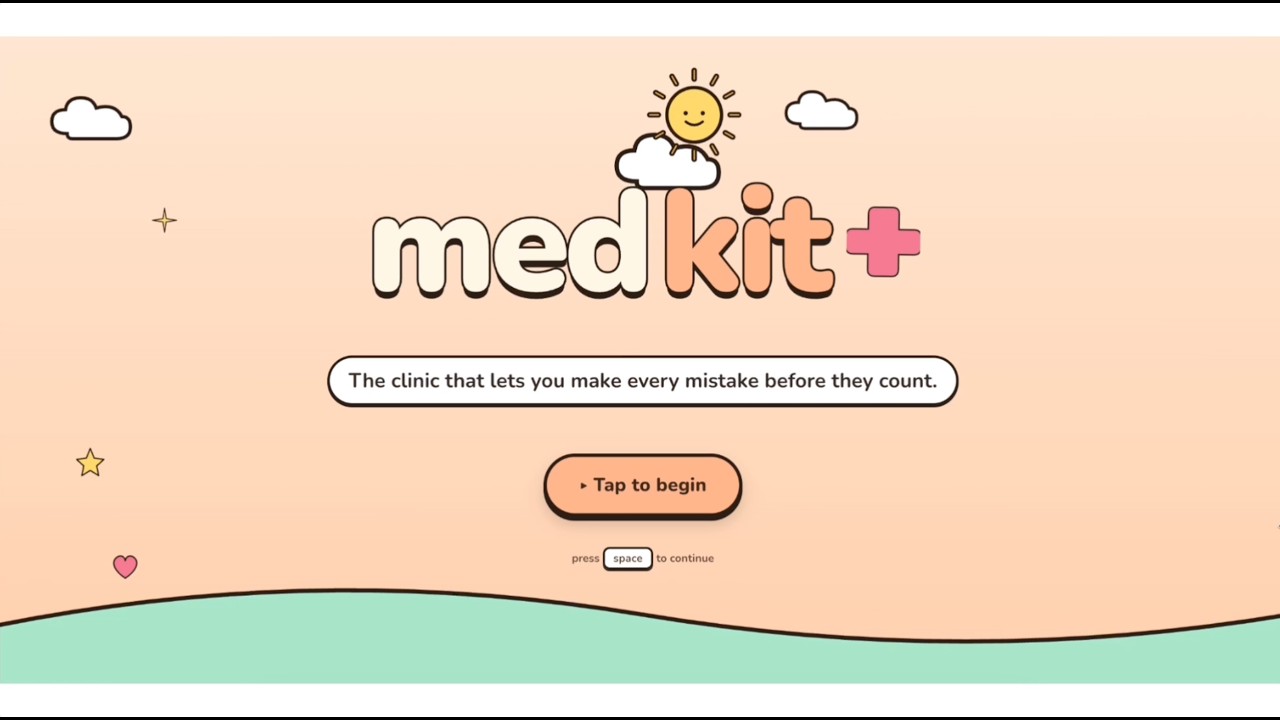
Medkit is a virtual clinic that lets you make every mistake before the real patients come. It's a voice-first AI simulator for medical students and newly…

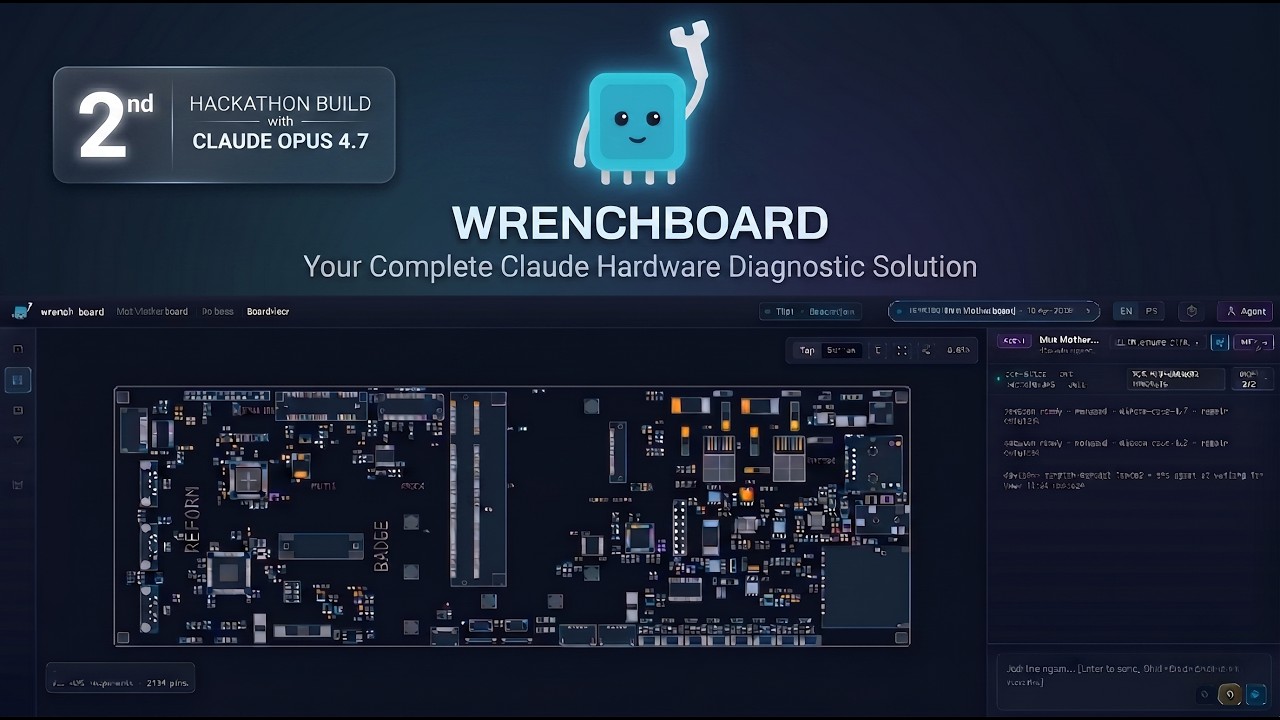
Every year, 50 million tons of electronics become waste — not because they can't be repaired, but because board-level expertise is locked in a few hands…

Maieutic flips the role an LLM usually plays in learning to program. Instead of handing the student working code, it guides them to think first about what the…
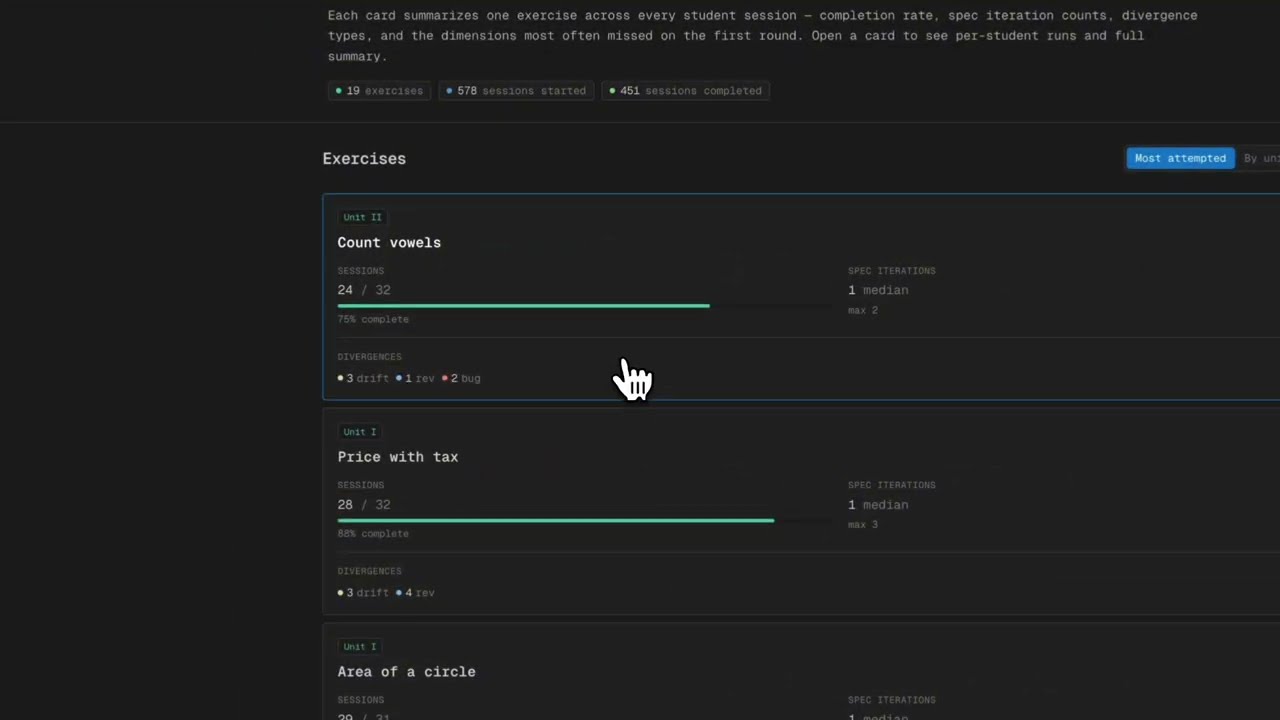
OmniBridge is an AI agent that identifies unknown serial device protocols autonomously — a workflow that didn't exist a year ago because it needs Opus 4.7's…

ARIA captures the floor operator's knowledge and puts it to work. Drop in the manufacturer's PDF, answer some calibration questions, and you're live in ten…

Interior architects in France designing offices for banks, law firms and consulting groups are leaving money on the table. Each one handles only one or two…