reflect is session-local metacognition for Claude Code: the deliberate opposite of cross-session memory. Long /loop sessions drift; I watched it happen in my own multi-hour runs, hour two, the model repeating the same misjudgment. When suggestions get reverted 3+ times within 10 tool calls (weighted threshold, not single fail-retry), Opus 4.7 reads back recent tool history, active rules, and the rolled-back diff, infers why the user kept pushing back, not what failed, and injects structured guidance into the next turn: pattern, signal, adjustment, confidence. I'd previously shipped a static-rules version (stetkeep on npm). reflect is the dynamic recalibration layer static rules can't reach. Single-shot. Prompt-cached (3-layer: 1h + 5m + ephemeral, measured 95.9% warm cache hit). No persistence, no telemetry, by design. MIT-licensed, published as @chanjoongx/reflect. Failure modes characterized: cold-start refusal, false-trigger flagging, abstention on ambiguous prompts. Built solo over 6 days: npm package, Claude Code plugin, localhost viewer, dogfooded on the build itself.
More from Built with Opus 4.7: a Claude Code hackathon
Medkit is a virtual clinic that lets you make every mistake before the real patients come. It's a voice-first AI simulator for medical students and newly…

Every year, 50 million tons of electronics become waste — not because they can't be repaired, but because board-level expertise is locked in a few hands…

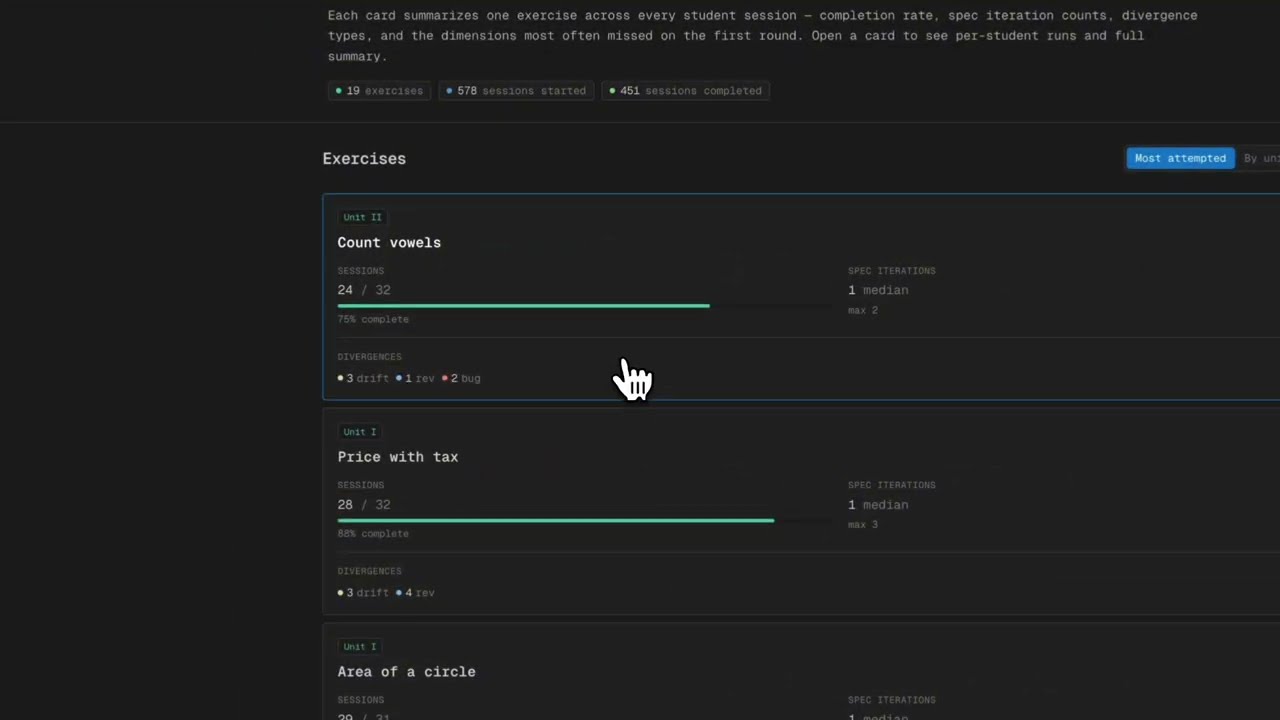
Maieutic flips the role an LLM usually plays in learning to program. Instead of handing the student working code, it guides them to think first about what the…
OmniBridge is an AI agent that identifies unknown serial device protocols autonomously — a workflow that didn't exist a year ago because it needs Opus 4.7's…

ARIA captures the floor operator's knowledge and puts it to work. Drop in the manufacturer's PDF, answer some calibration questions, and you're live in ten…


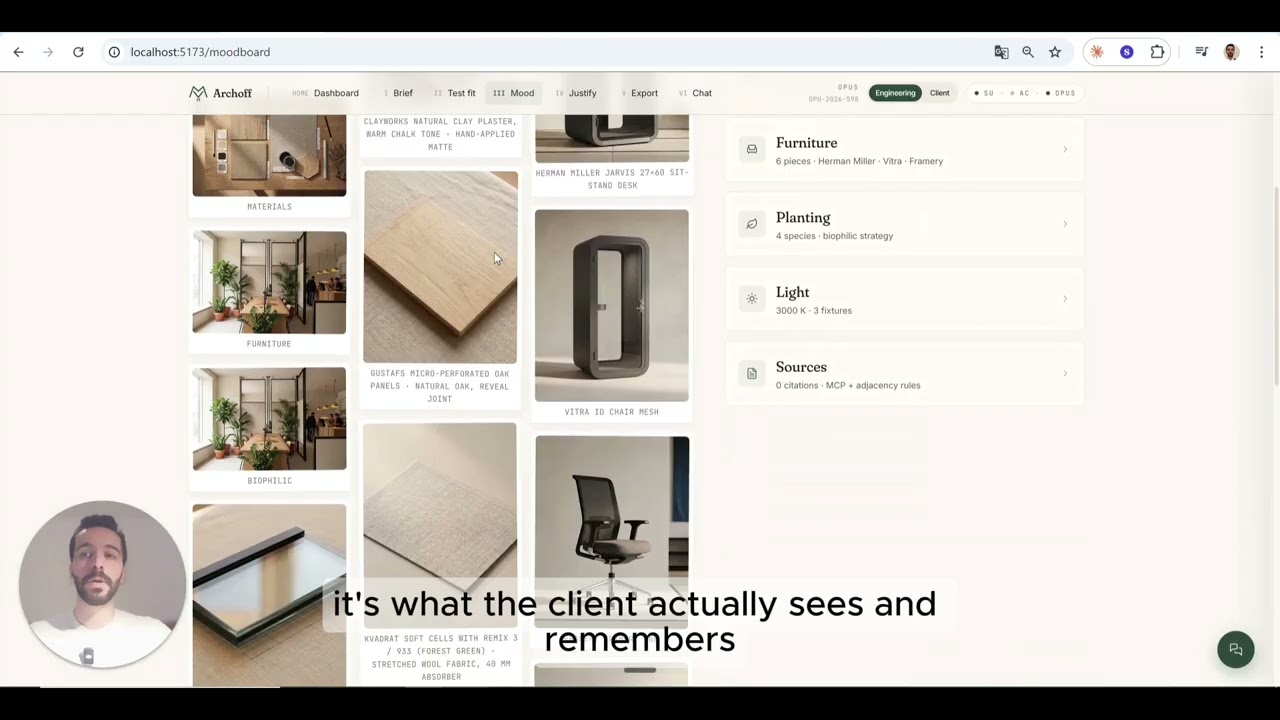
Interior architects in France designing offices for banks, law firms and consulting groups are leaving money on the table. Each one handles only one or two…