nanaOS is an AI-native design system where code and contracts are the single source of truth. Instead of splitting design intent across Figma, code, documentation, and Storybook, nanaOS turns tokens, semantics, accessibility rules, component states, and system architecture into explicit contracts that both humans and AI agents can read and evolve. The project uses a 5-layer architecture: primitives, semantics, rules, components, and patterns. Each component ships with SCSS, tokens, a JSON contract, and a canonical example. This means an AI agent can generate a new component, validate it against design-system rules, and update the catalog without guessing from screenshots or vague style prompts. The larger vision is a design tool for what comes after canvas-first workflows: a system where designers control intent visually, while AI agents consume structured W3C Design Tokens, JSON contracts, and enforceable rules to build consistently.
More from Built with Opus 4.7: a Claude Code hackathon
Medkit is a virtual clinic that lets you make every mistake before the real patients come. It's a voice-first AI simulator for medical students and newly…

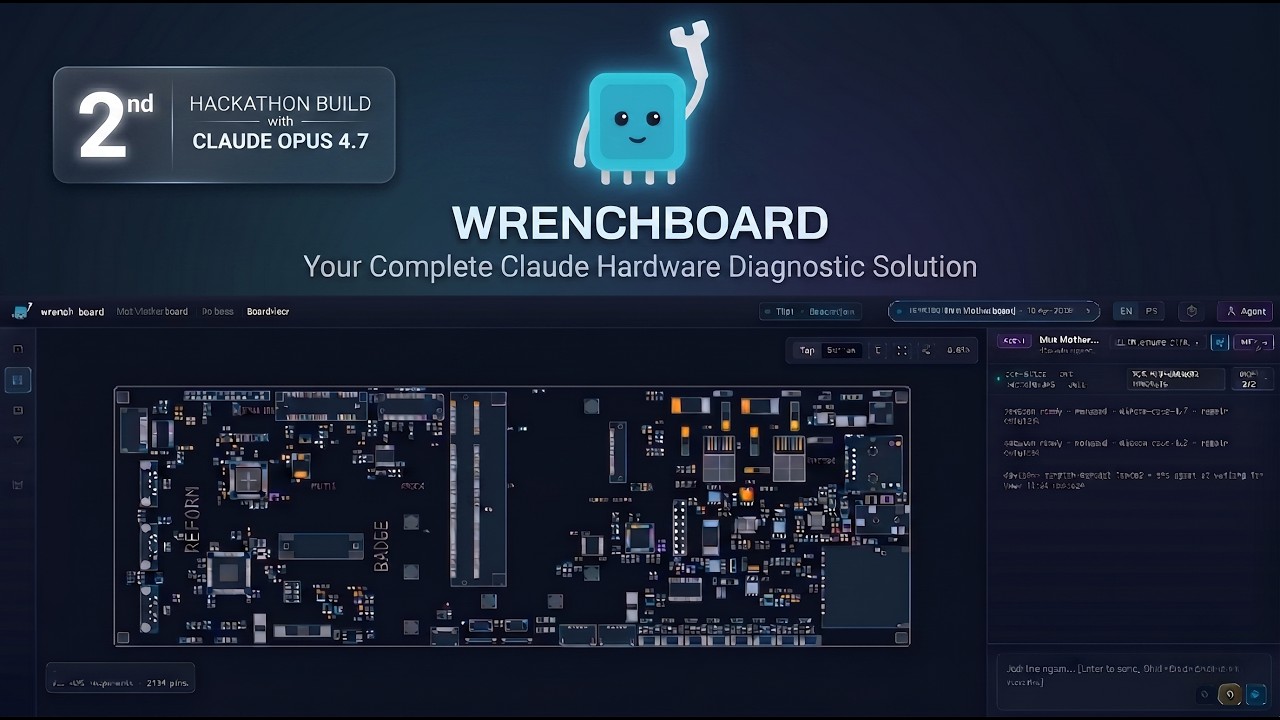
Every year, 50 million tons of electronics become waste — not because they can't be repaired, but because board-level expertise is locked in a few hands…

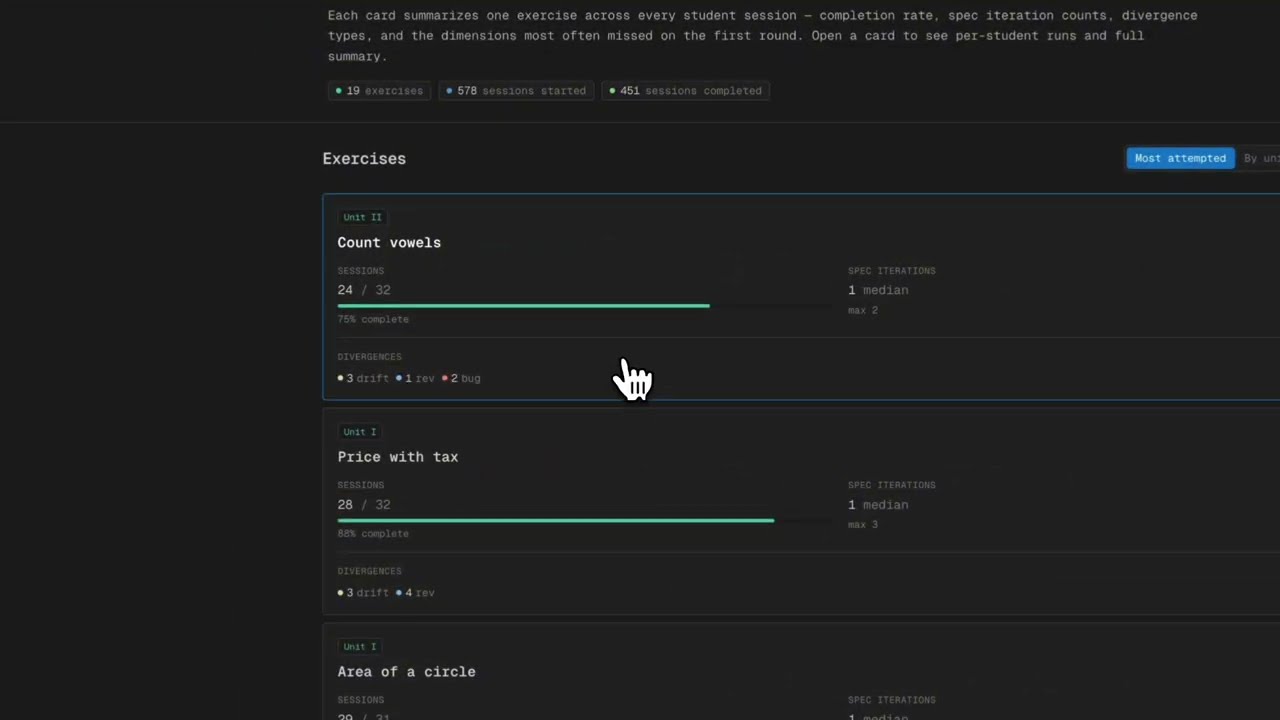
Maieutic flips the role an LLM usually plays in learning to program. Instead of handing the student working code, it guides them to think first about what the…

OmniBridge is an AI agent that identifies unknown serial device protocols autonomously — a workflow that didn't exist a year ago because it needs Opus 4.7's…

ARIA captures the floor operator's knowledge and puts it to work. Drop in the manufacturer's PDF, answer some calibration questions, and you're live in ten…

Interior architects in France designing offices for banks, law firms and consulting groups are leaving money on the table. Each one handles only one or two…