MosQuit is an AI-powered command center where four competing agents debate in real-time to decide which neighborhoods to fumigate during dengue outbreaks. When cities face limited resources - 4 teams, $30k budget, 48-hour window - MosQuit's agents argue from different perspectives: the Epidemiologist pushes for aggressive intervention, the Budget Officer questions costs, Operations ensures logistics work, and Public Risk considers community impact. Built with Claude Opus 4.7, MosQuit showcases: - Extended thinking for transparent agent reasoning - Multi-agent orchestration with visible debate and disagreement - Prompt caching for efficient 4-agent coordination - Real satellite data integration (Sentinel Hub, Open-Meteo) The result: a consensus plan with documented trade-offs, a 7-day outbreak simulation, and the answer to "how many lives did we save?"
More from Built with Opus 4.7: a Claude Code hackathon
Medkit is a virtual clinic that lets you make every mistake before the real patients come. It's a voice-first AI simulator for medical students and newly…

Every year, 50 million tons of electronics become waste — not because they can't be repaired, but because board-level expertise is locked in a few hands…

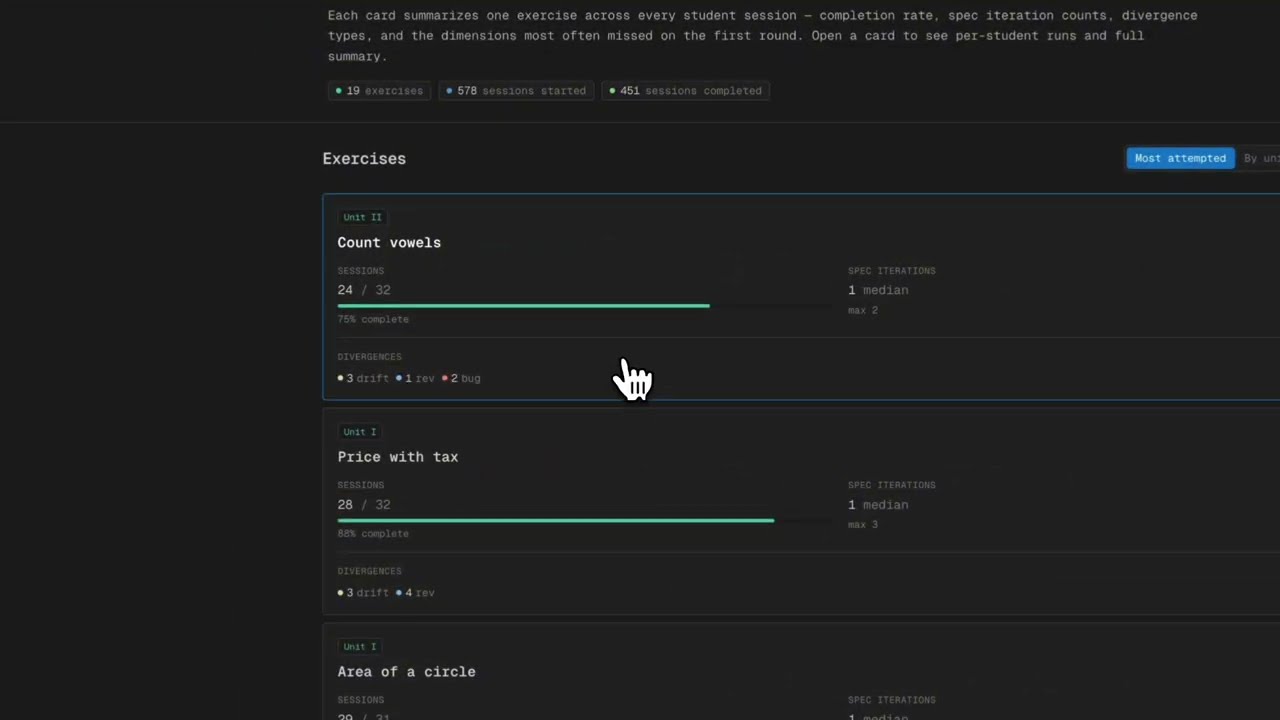
Maieutic flips the role an LLM usually plays in learning to program. Instead of handing the student working code, it guides them to think first about what the…
OmniBridge is an AI agent that identifies unknown serial device protocols autonomously — a workflow that didn't exist a year ago because it needs Opus 4.7's…

ARIA captures the floor operator's knowledge and puts it to work. Drop in the manufacturer's PDF, answer some calibration questions, and you're live in ten…


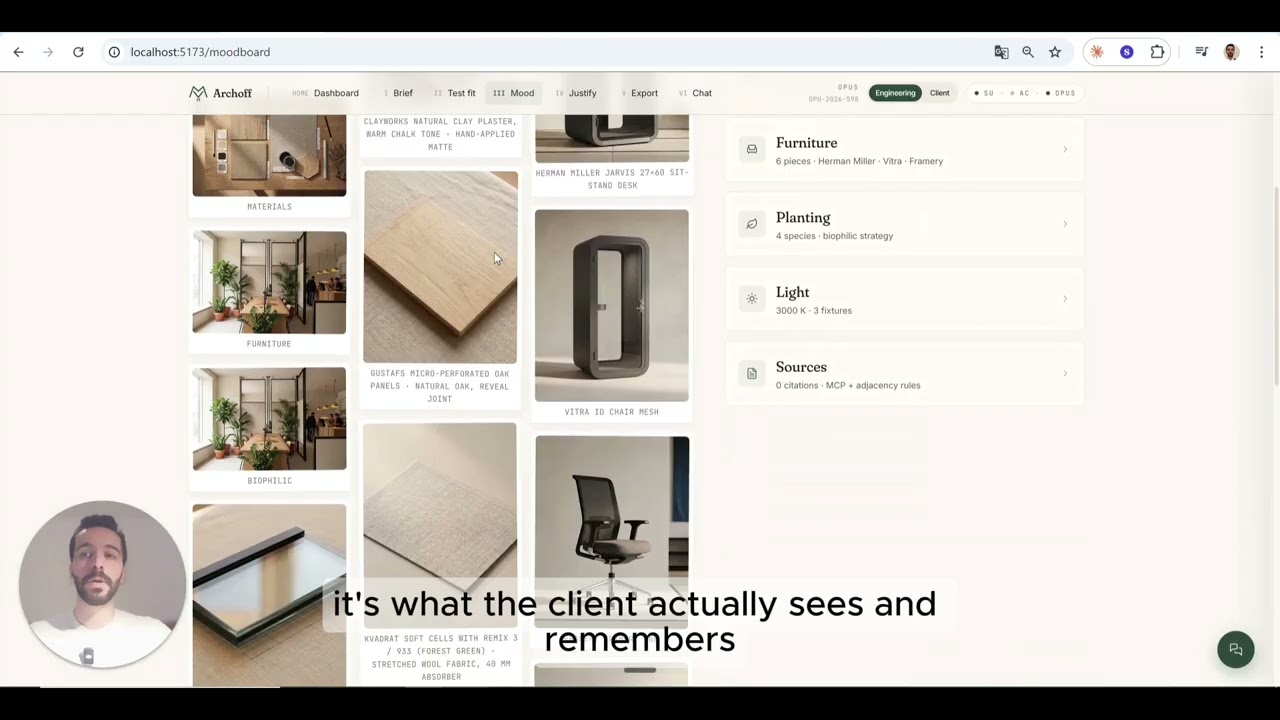
Interior architects in France designing offices for banks, law firms and consulting groups are leaving money on the table. Each one handles only one or two…