Skip to Main Content

Every food product hits the same wall: menus are unstructured; PDFs, phone photos, chalkboards, languages, typos, modifiers that look like dishes. Loading them into a system means hours of manual work, restaurant by restaurant. Mise turns any menu into a versioned, searchable dish graph. Claude Opus 4.7 reads the evidence vision-natively (no OCR), extracts canonical dishes with diner-vernacular aliases, attaches modifiers, routes ephemerals and produces an auditable receipt of items dropped by a natural-language filter; one structured-output call per source. A Claude chat answers once. Mise is the system around it: pinned schema, persistent review, JSON ready to plug into a delivery feed, a POS or a voice agent.

Team

NicoA

More from Built with Opus 4.7: a Claude Code hackathon

Medkit is a virtual clinic that lets you make every mistake before the real patients come. It's a voice-first AI simulator for medical students and newly…

Keskin project preview

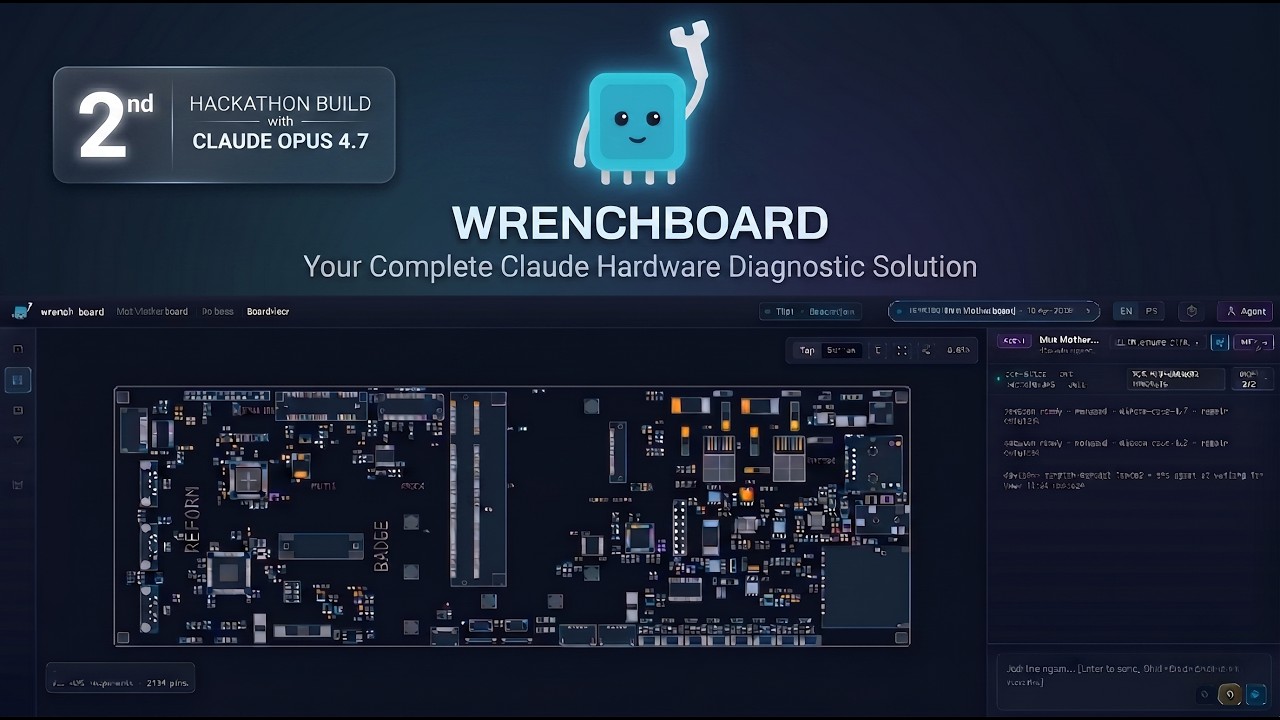
Every year, 50 million tons of electronics become waste — not because they can't be repaired, but because board-level expertise is locked in a few hands…

Alexis Chapellier project preview

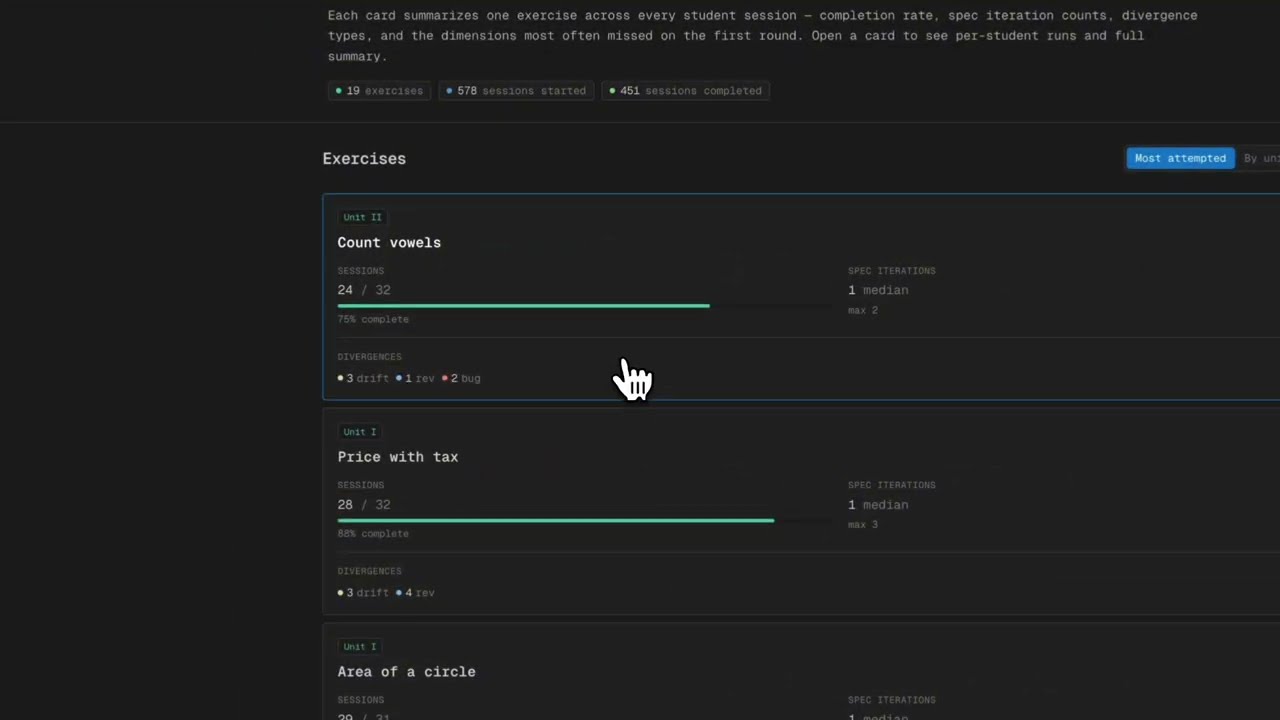
Maieutic flips the role an LLM usually plays in learning to program. Instead of handing the student working code, it guides them to think first about what the…

Maieutic project preview

OmniBridge is an AI agent that identifies unknown serial device protocols autonomously — a workflow that didn't exist a year ago because it needs Opus 4.7's…

OmniBridge project preview

ARIA captures the floor operator's knowledge and puts it to work. Drop in the manufacturer's PDF, answer some calibration questions, and you're live in ten…

TrayStones project preview

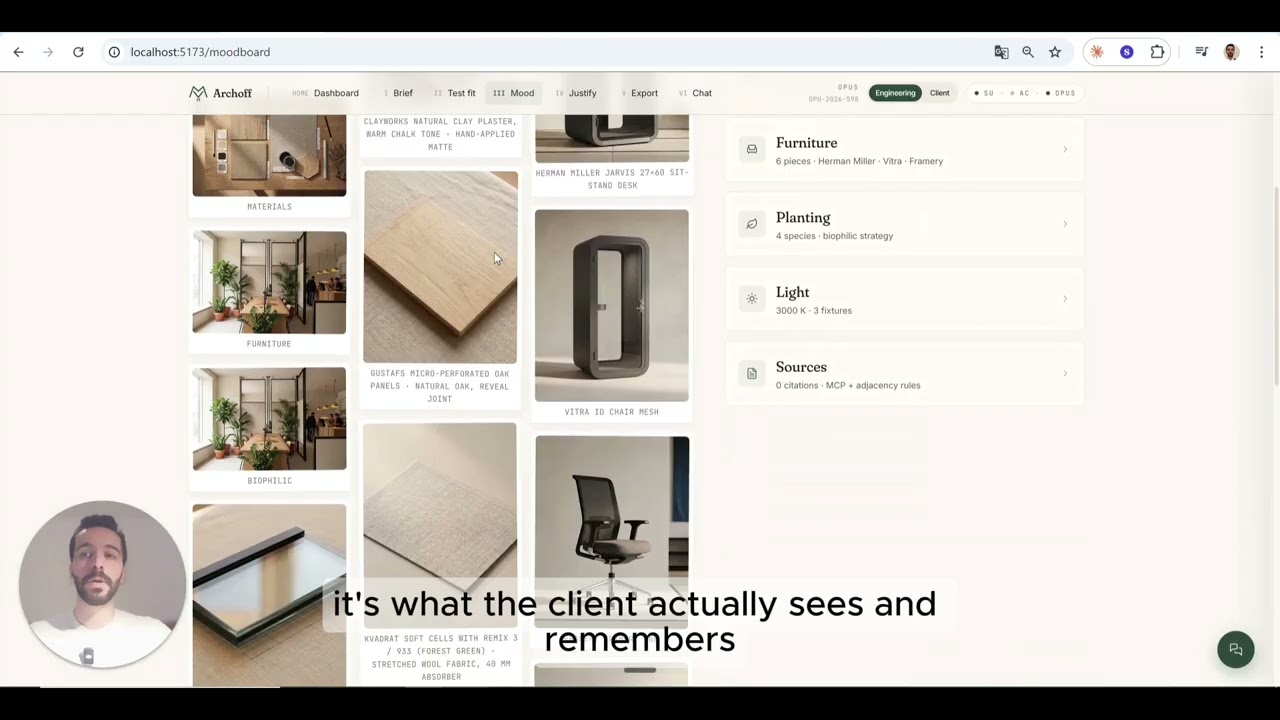
Interior architects in France designing offices for banks, law firms and consulting groups are leaving money on the table. Each one handles only one or two…

Saad EL BABIDI project preview