Aether is a canvas that acts: an AI-native creative system for turning one intent into multi-format, multimodal social campaigns. Creative directors and creators today jump between multiple tools, losing context at every handoff. Even after a key visual lands, they still pay the “format tax”: resizing, rewriting, recropping, localising and rebuilding the same idea across placements and languages. Aether rethinks that workflow for what’s next. Drop in references, prompts, URLs or files, and Opus 4.7 turns them into meaningful creative components: brand context, research signals, visual clusters, copy, safe zones, key visuals and variants. The canvas stays editable, with deterministic controls like alignment guides, segmentation, transparent elements, smart text placement and global/local edit propagation. Claude can plan, use tools and coordinate agents, while the creator remains in control. The goal is not “Canva with AI.” It is a responsive creative substrate for social production.
More from Built with Opus 4.7: a Claude Code hackathon
Medkit is a virtual clinic that lets you make every mistake before the real patients come. It's a voice-first AI simulator for medical students and newly…

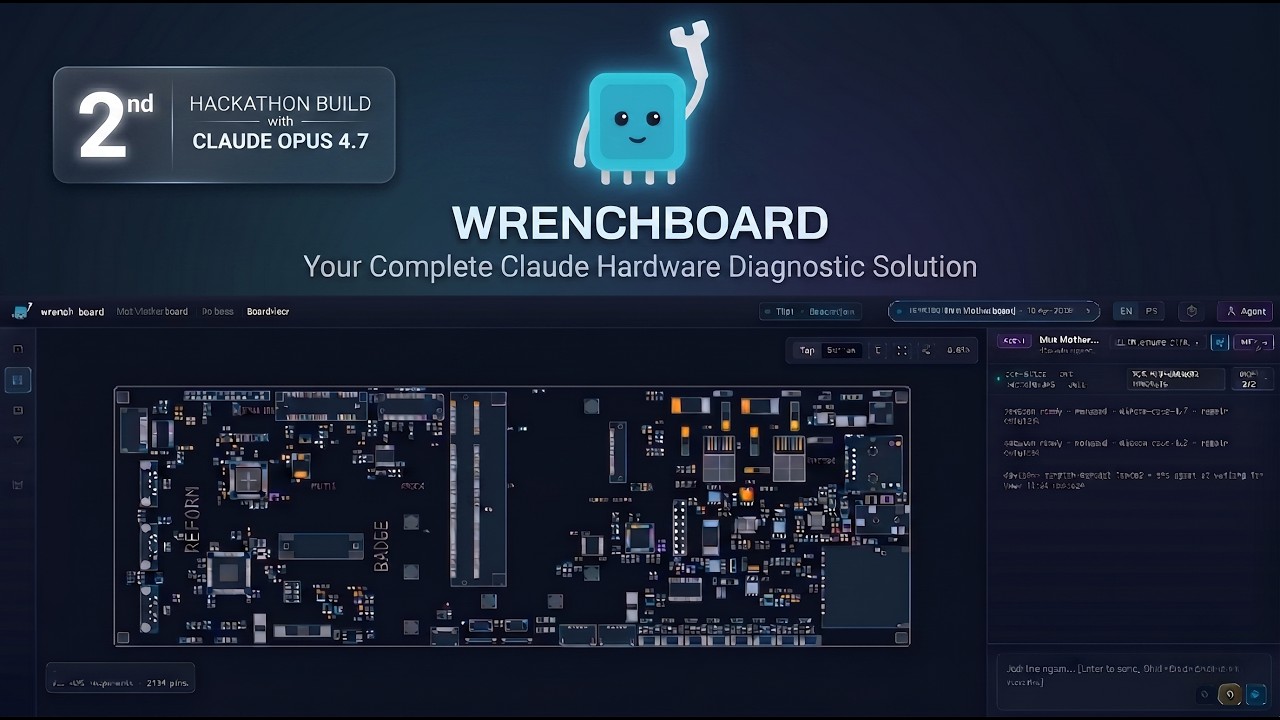
Every year, 50 million tons of electronics become waste — not because they can't be repaired, but because board-level expertise is locked in a few hands…

Maieutic flips the role an LLM usually plays in learning to program. Instead of handing the student working code, it guides them to think first about what the…

OmniBridge is an AI agent that identifies unknown serial device protocols autonomously — a workflow that didn't exist a year ago because it needs Opus 4.7's…

ARIA captures the floor operator's knowledge and puts it to work. Drop in the manufacturer's PDF, answer some calibration questions, and you're live in ten…

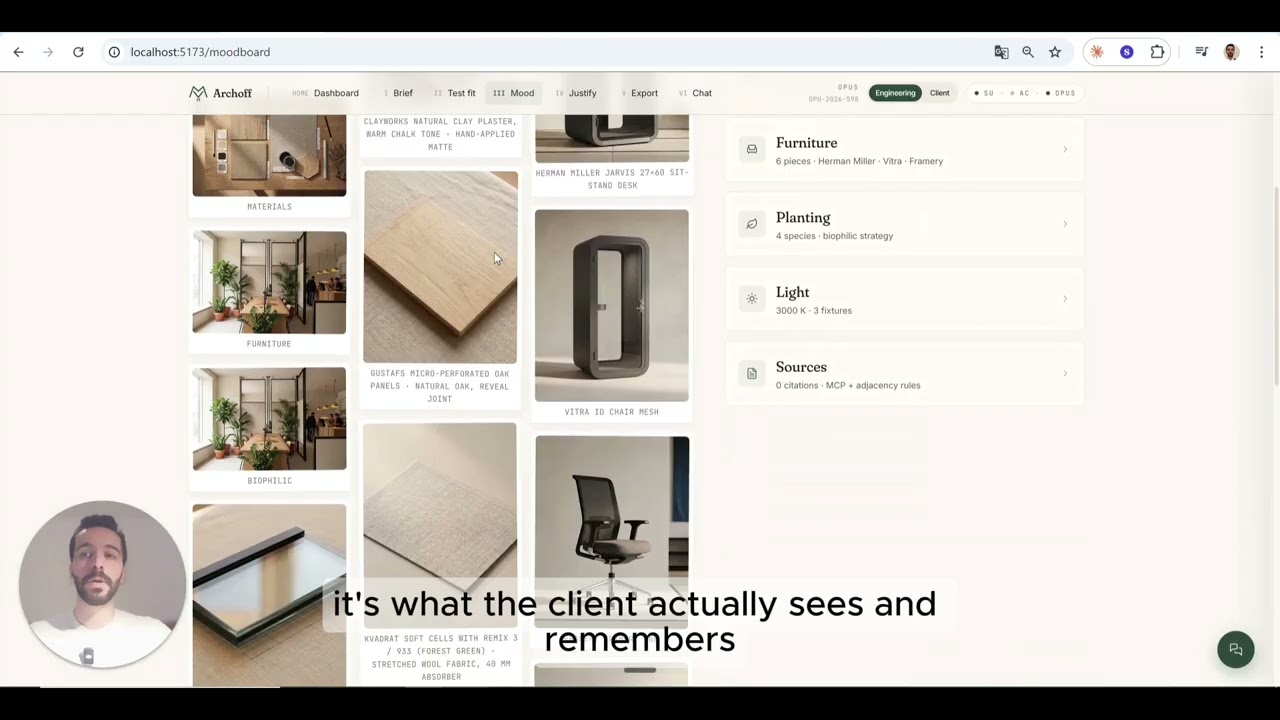
Interior architects in France designing offices for banks, law firms and consulting groups are leaving money on the table. Each one handles only one or two…