One person processes a paper with AI; everyone should inherit the result. LLMs can read papers, but PDF reading is not claim infrastructure. PDFs are long, messy, and parsed inconsistently: one run may drop a mediator or boundary condition, while another turns “associated with” into “causes.” And the more important the paper, the more often this unstable process is repeated. For field-defining papers, it is plausible that a million people will ask AI to read the same paper over the next decade. That wastes energy and amplifies citation drift. Citare uses Claude Opus 4.7 to convert papers into reusable claim graphs. Each claim stores source text, page numbers, evidence type, causal strength, safe citation verbs, boundary conditions, and integrity warnings. Other tools return metadata; Citare returns the actual claim and makes it reusable through an open database and CitareMCP. Try it now at https://citare.dev/
More from Built with Opus 4.7: a Claude Code hackathon
Medkit is a virtual clinic that lets you make every mistake before the real patients come. It's a voice-first AI simulator for medical students and newly…

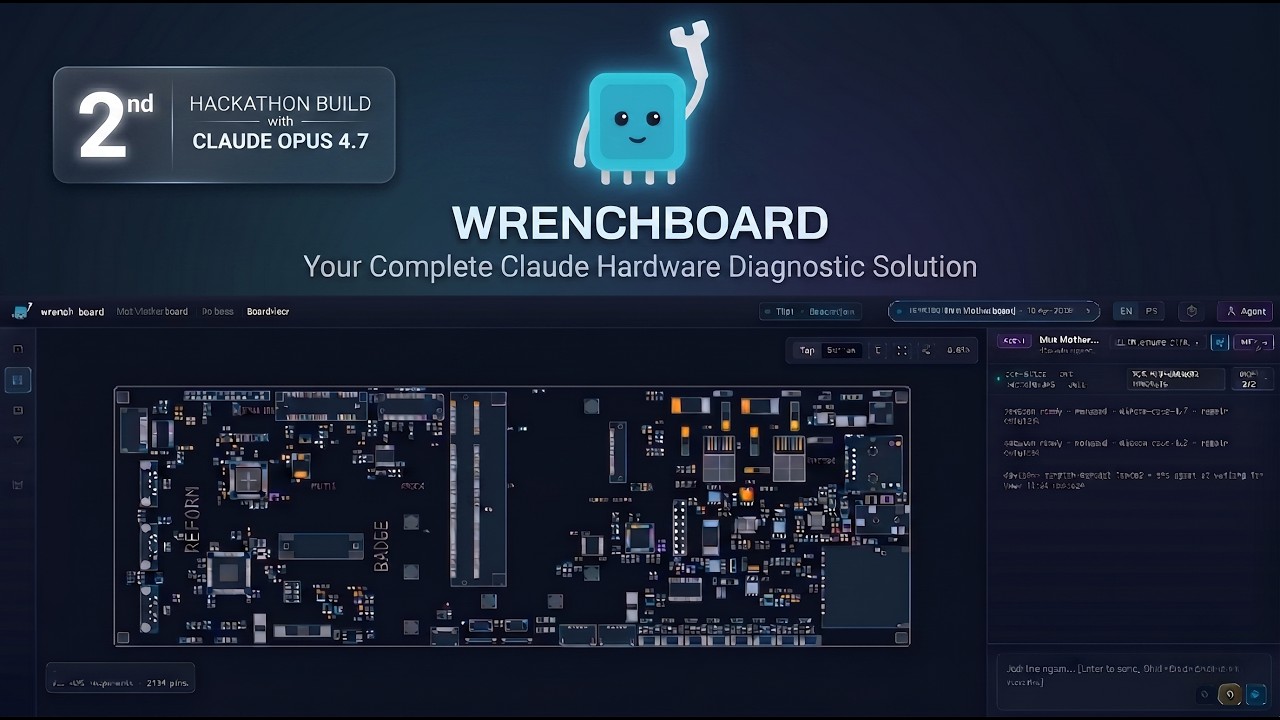
Every year, 50 million tons of electronics become waste — not because they can't be repaired, but because board-level expertise is locked in a few hands…

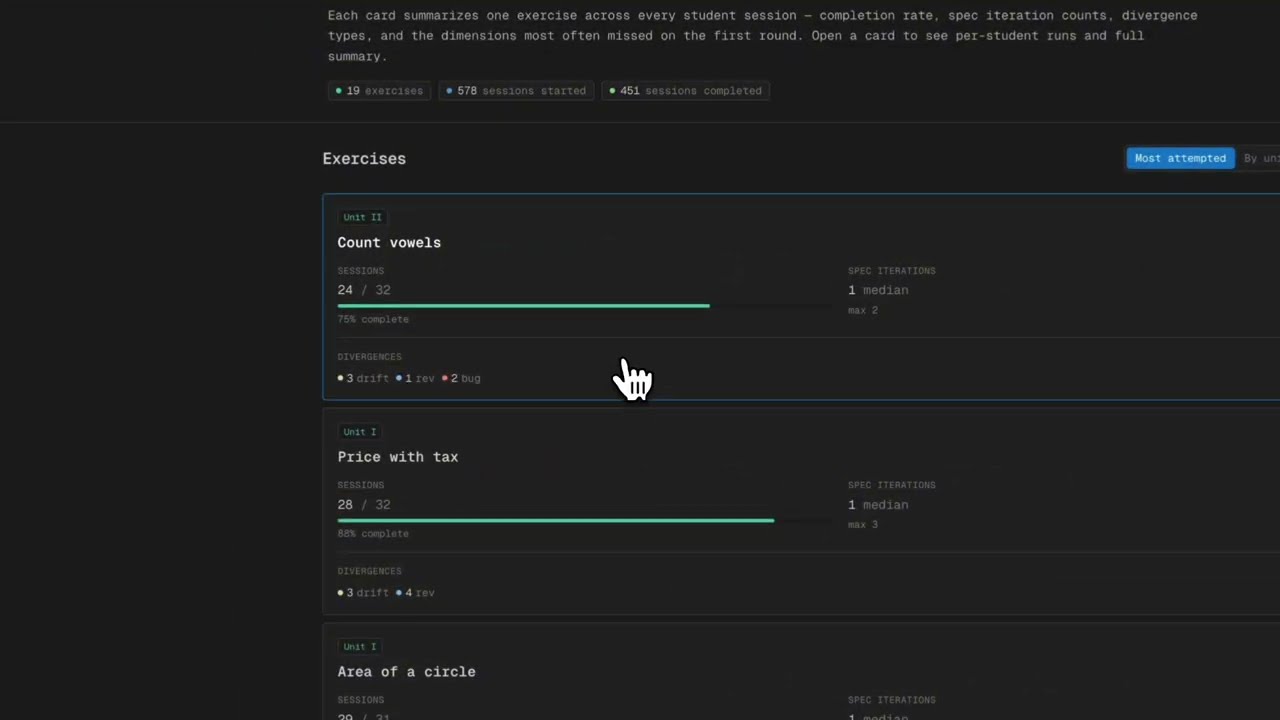
Maieutic flips the role an LLM usually plays in learning to program. Instead of handing the student working code, it guides them to think first about what the…

OmniBridge is an AI agent that identifies unknown serial device protocols autonomously — a workflow that didn't exist a year ago because it needs Opus 4.7's…

ARIA captures the floor operator's knowledge and puts it to work. Drop in the manufacturer's PDF, answer some calibration questions, and you're live in ten…

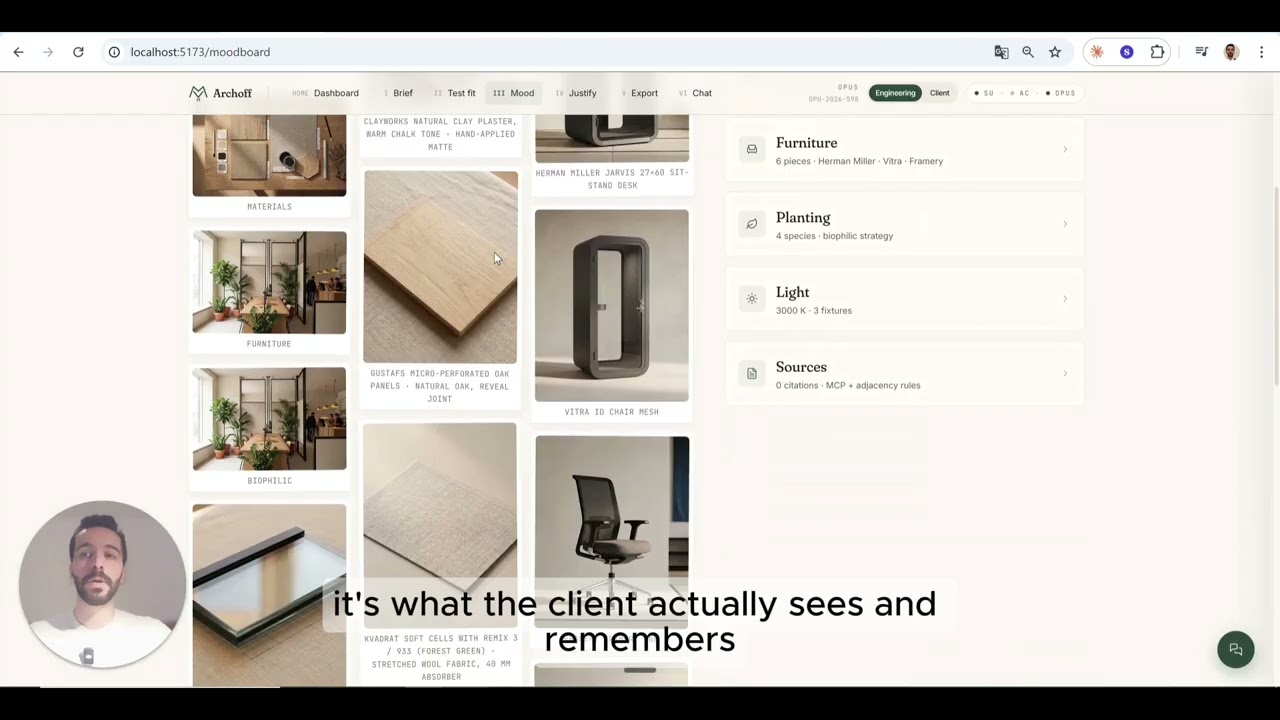
Interior architects in France designing offices for banks, law firms and consulting groups are leaving money on the table. Each one handles only one or two…