Here's a tight submission description (~150 words): Caremory gives family caregivers in paper-heavy healthcare systems a single source of truth for their family's medical history — powered by Claude Opus 4.7. In MENA, South Asia, and most of the developing world, prescriptions and vaccine records live in drawers and camera rolls. When a child is sick at 2am, the paper system fails exactly when it matters most. Claude Opus 4.7 powers three features: photograph any prescription (Arabic, English, or mixed) and Claude extracts every medication with dose and frequency into a structured record; ask plain-language questions like "last antibiotic?" and get precise answers with tap-through links to the original document; generate a doctor-shareable link and a new physician sees an AI clinical summary plus full visual timeline — 18 months of history in 30 seconds, no login required. Multi-user access, current medications view, manual entry, and full PWA support.
More from Built with Opus 4.7: a Claude Code hackathon
Medkit is a virtual clinic that lets you make every mistake before the real patients come. It's a voice-first AI simulator for medical students and newly…

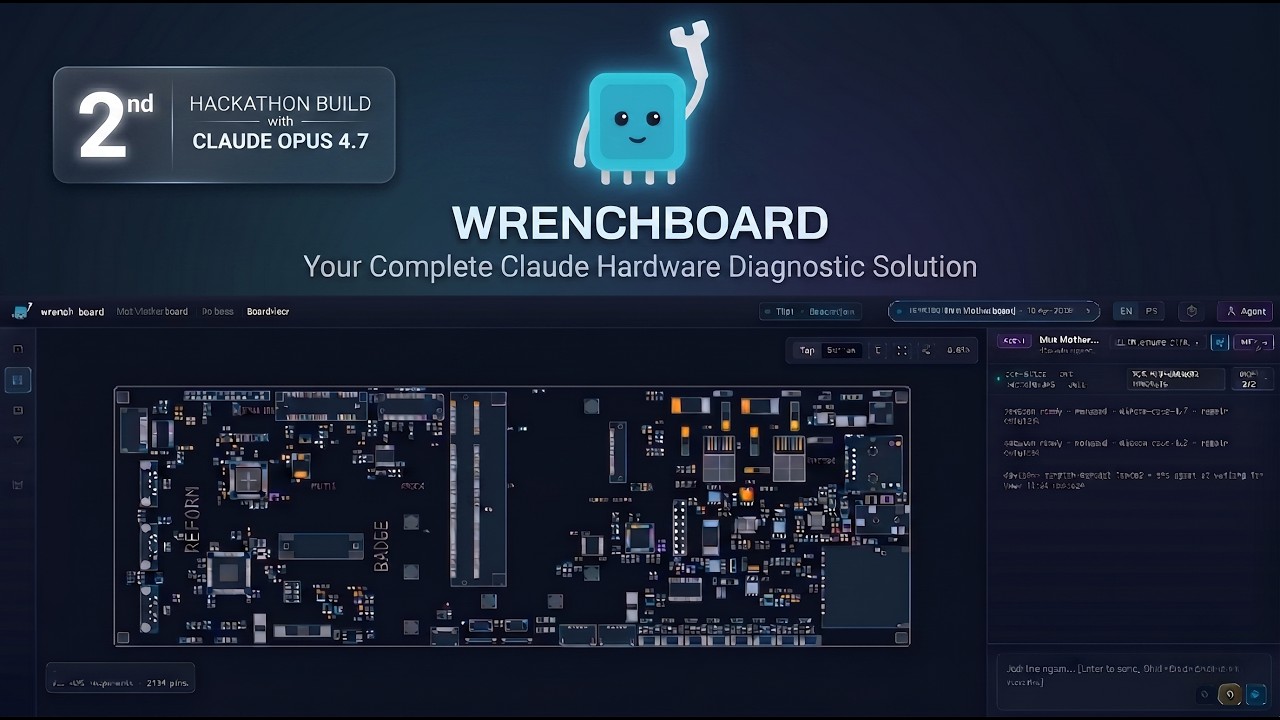
Every year, 50 million tons of electronics become waste — not because they can't be repaired, but because board-level expertise is locked in a few hands…

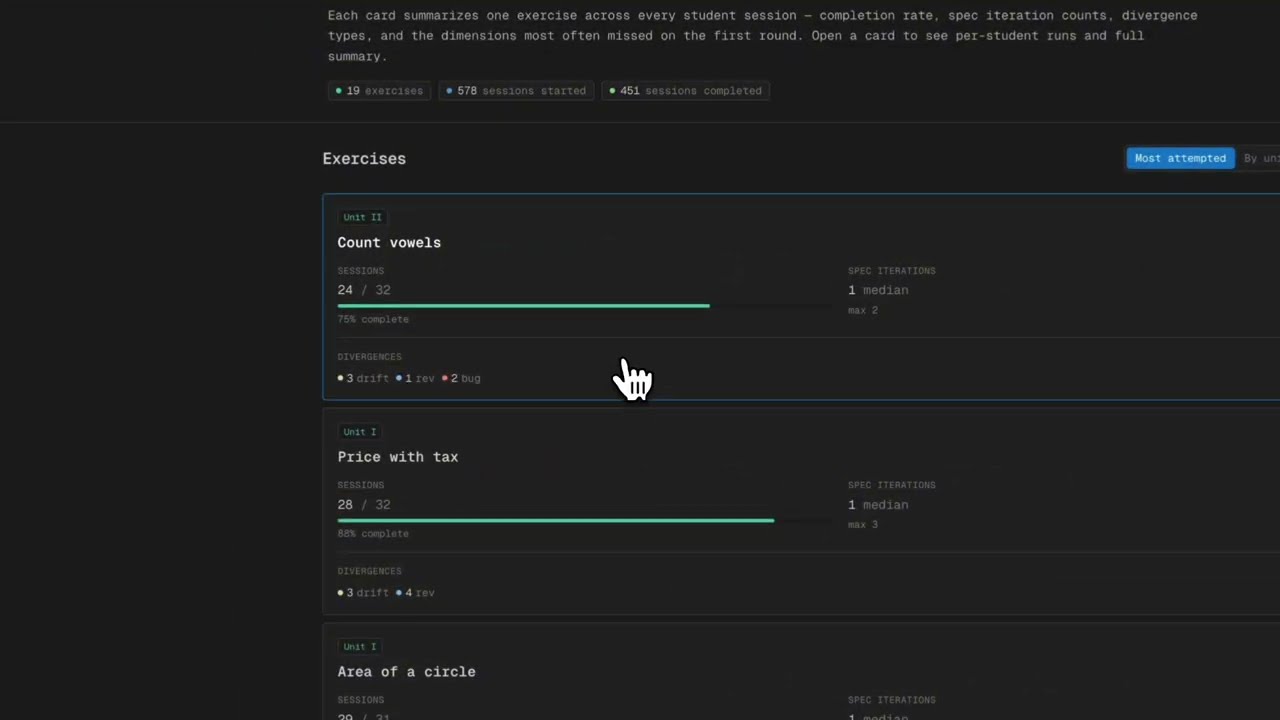
Maieutic flips the role an LLM usually plays in learning to program. Instead of handing the student working code, it guides them to think first about what the…
OmniBridge is an AI agent that identifies unknown serial device protocols autonomously — a workflow that didn't exist a year ago because it needs Opus 4.7's…

ARIA captures the floor operator's knowledge and puts it to work. Drop in the manufacturer's PDF, answer some calibration questions, and you're live in ten…


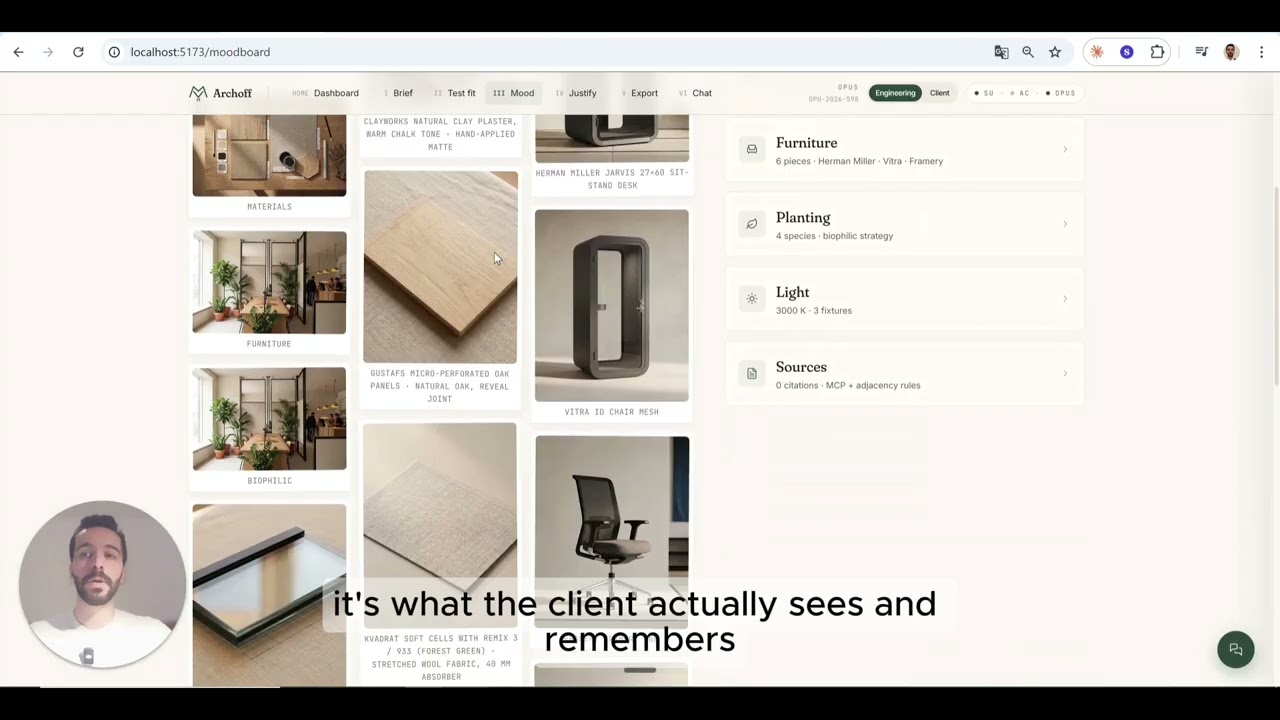
Interior architects in France designing offices for banks, law firms and consulting groups are leaving money on the table. Each one handles only one or two…