Seven specialized AI models reason independently in parallel on a hex grid. Anonymous peer review removes groupthink — each model critiques others without knowing who said what. Apex (Claude Opus 4.7) synthesizes confidence scores and critique depth into one final answer that's demonstrably better than any single model. Includes Oracle mode (single model), The Relay (mid-chat handoff), Scout (web grounding), Primal Protocol (caveman rewrite) for the demo use hexallabs.com
More from Built with Opus 4.7: a Claude Code hackathon
Medkit is a virtual clinic that lets you make every mistake before the real patients come. It's a voice-first AI simulator for medical students and newly…

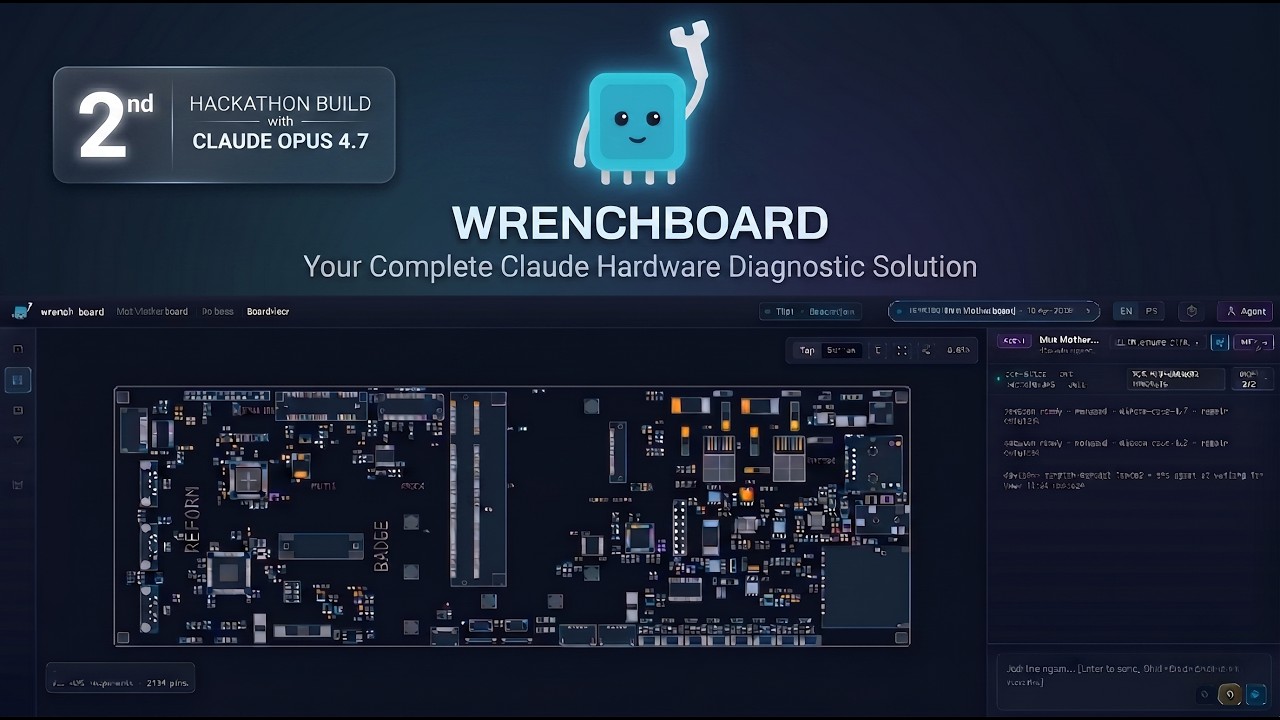
Every year, 50 million tons of electronics become waste — not because they can't be repaired, but because board-level expertise is locked in a few hands…

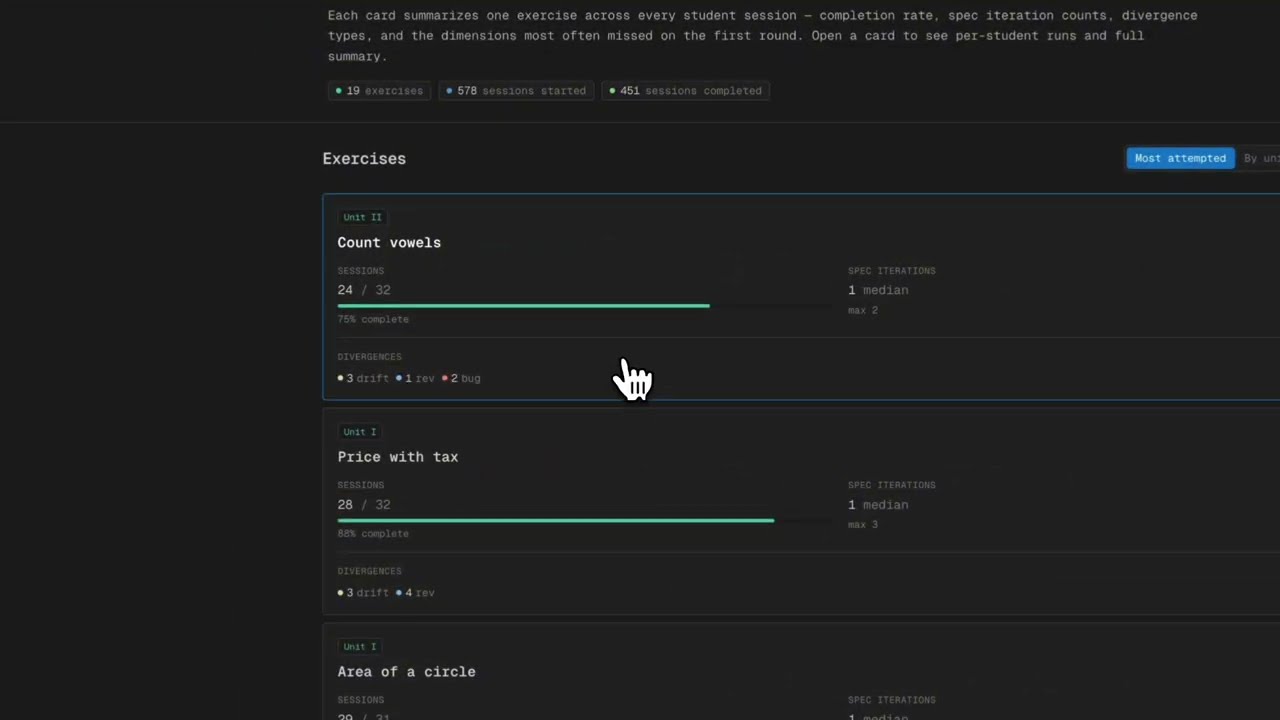
Maieutic flips the role an LLM usually plays in learning to program. Instead of handing the student working code, it guides them to think first about what the…

OmniBridge is an AI agent that identifies unknown serial device protocols autonomously — a workflow that didn't exist a year ago because it needs Opus 4.7's…

ARIA captures the floor operator's knowledge and puts it to work. Drop in the manufacturer's PDF, answer some calibration questions, and you're live in ten…

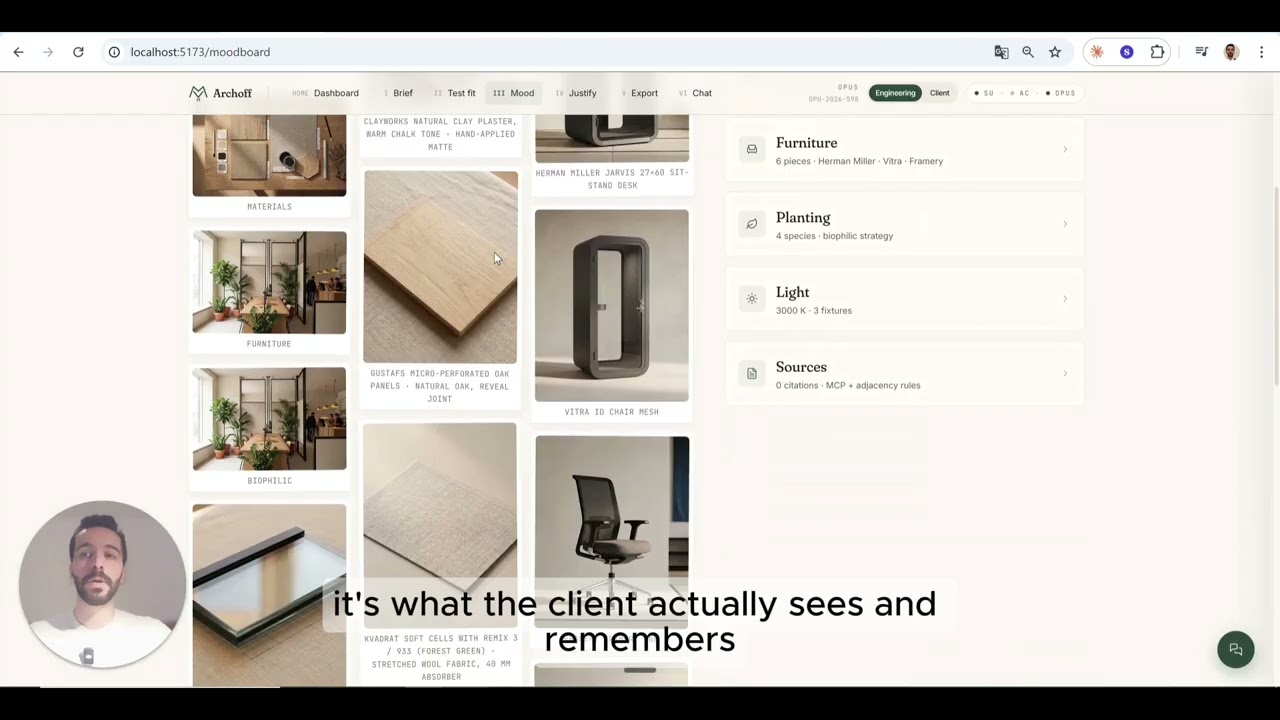
Interior architects in France designing offices for banks, law firms and consulting groups are leaving money on the table. Each one handles only one or two…