Skip to Main Content

PeerMind compresses the 3–6 month scientific peer-review cycle into a ~90-second multi-agent conversation. You upload a LaTeX project (or arXiv ID, or PDF), pick a target venue (NeurIPS, ICML, ICLR, Nature, Science, arXiv, or a custom venue), and PeerMind runs six Claude Managed Agents in parallel — two reviewers, a literature scout, a code runner, a fix agent, and an orchestrator — to simulate the full peer review process. The orchestrator synthesizes a final verdict with Opus 4.7 extended thinking streamed live to the UI, Fix Agent produces unified diffs that are applied inline with one-click Yes/No confirms, the paper recompiles in a Docker-sandboxed latexmk, and you can export the patched project back to Overleaf or draft a venue-style rebuttal — all in the same session.

Team

agore

More from Built with Opus 4.7: a Claude Code hackathon

Medkit is a virtual clinic that lets you make every mistake before the real patients come. It's a voice-first AI simulator for medical students and newly…

Keskin project preview

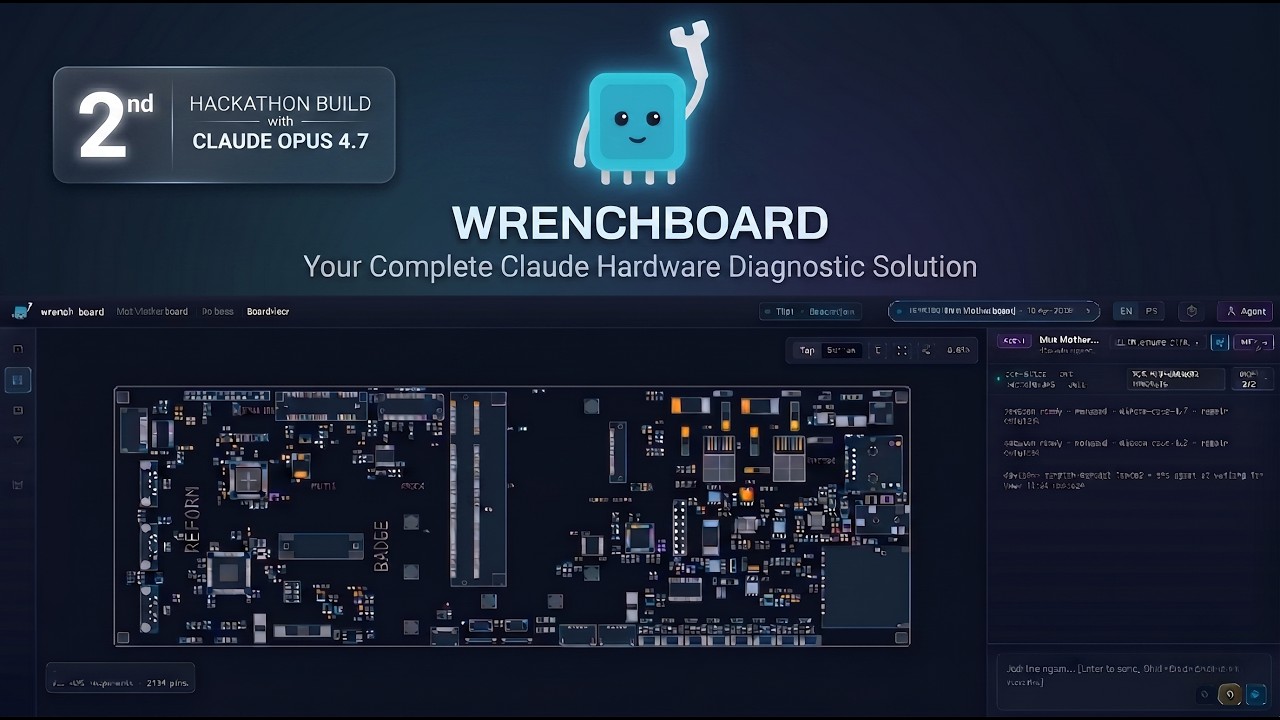
Every year, 50 million tons of electronics become waste — not because they can't be repaired, but because board-level expertise is locked in a few hands…

Alexis Chapellier project preview

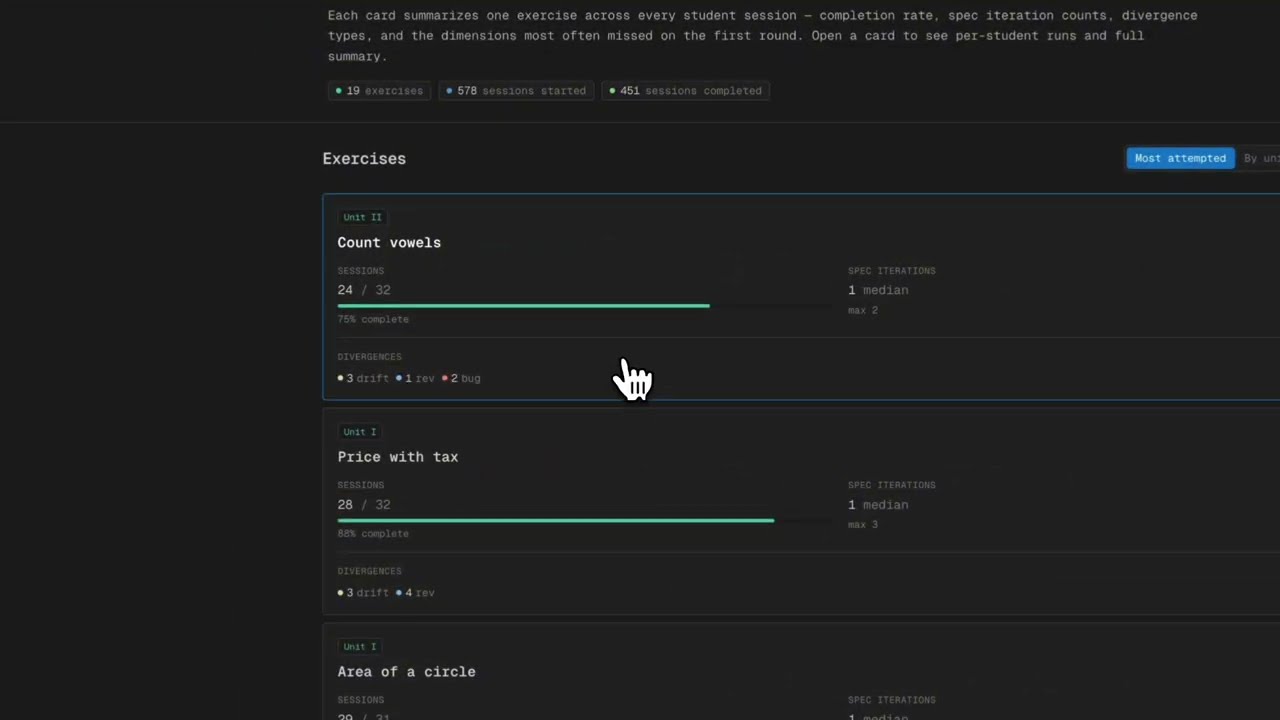
Maieutic flips the role an LLM usually plays in learning to program. Instead of handing the student working code, it guides them to think first about what the…

Maieutic project preview

OmniBridge is an AI agent that identifies unknown serial device protocols autonomously — a workflow that didn't exist a year ago because it needs Opus 4.7's…

OmniBridge project preview

ARIA captures the floor operator's knowledge and puts it to work. Drop in the manufacturer's PDF, answer some calibration questions, and you're live in ten…

TrayStones project preview

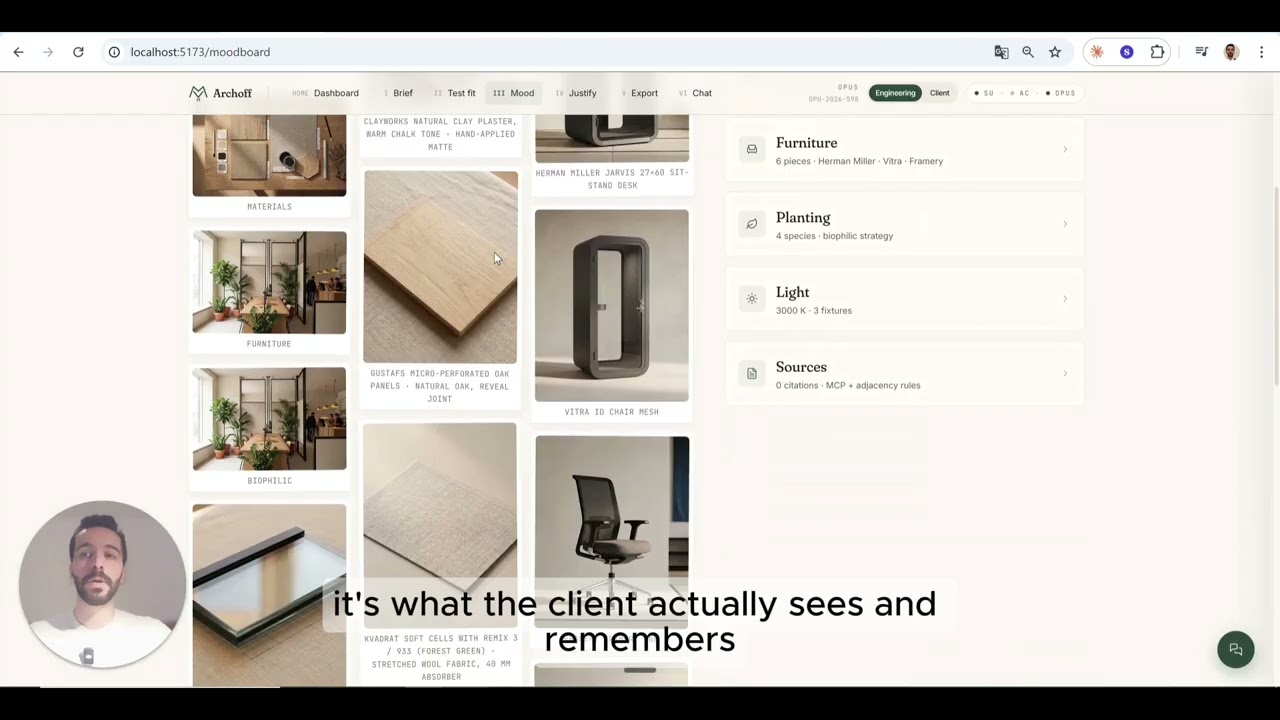
Interior architects in France designing offices for banks, law firms and consulting groups are leaving money on the table. Each one handles only one or two…

Saad EL BABIDI project preview