Skip to Main Content

WireBird protects critical sites from drone swarm attacks with autonomous drones that perch, recharge, and relaunch from overhead powerlines. Enemy drones are becoming cheaper, faster, and easier to deploy at scale, creating a timing gap in today’s defense model. Ground-based systems are hard to scale, and interceptor drones only work if they are close enough, charged enough, and ready before the swarm arrives. WireBird turns existing overhead powerlines into forward recharge points for defense drones. This removes battery swaps, reduces range dependency, and enables persistent aerial sentries to stay on station near vulnerable sites. Our retrofit kit upgrades existing drones into field-persistent defense assets, enabling faster interception, longer endurance, and protection domes wherever powerlines exist.

Team

Anis

Placement

Participant

More from National Security Hackathon (by Army xTech)

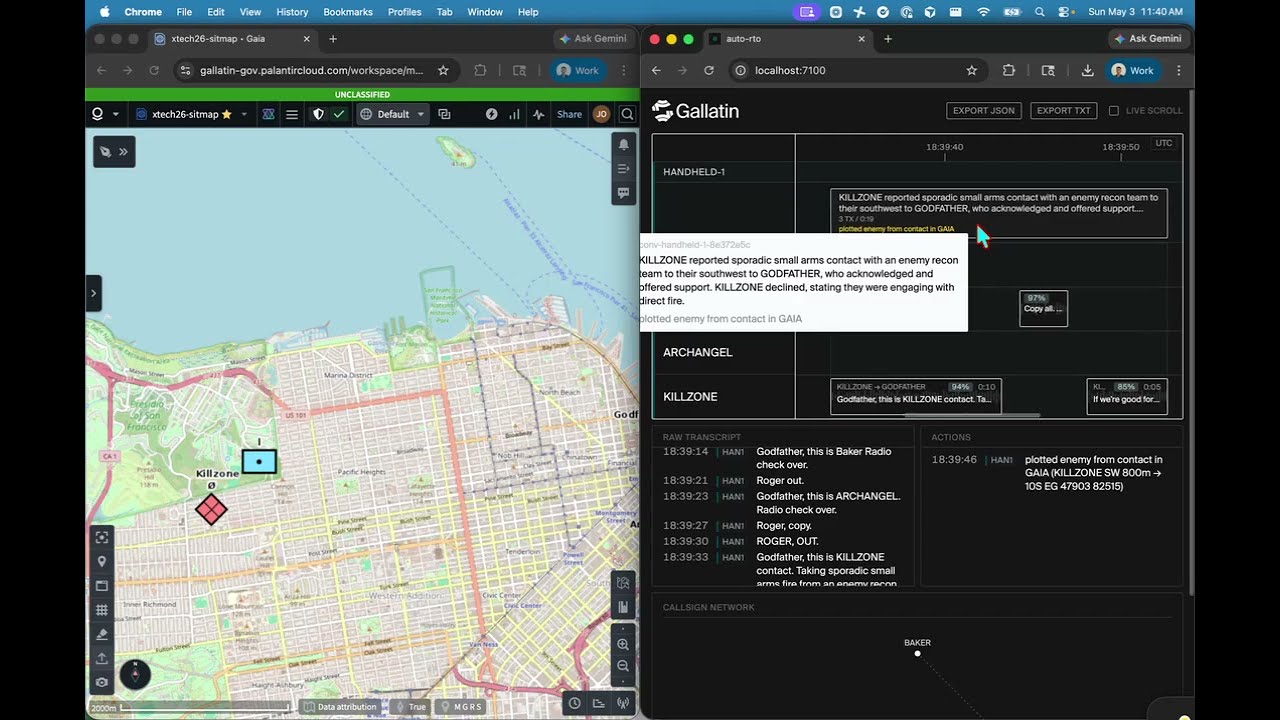
Radio Agent, deployable in the cloud or at the edge on the battlefield. Listens to all available channels, transcribes, categorizes and acts, fully…

Gallatin project preview

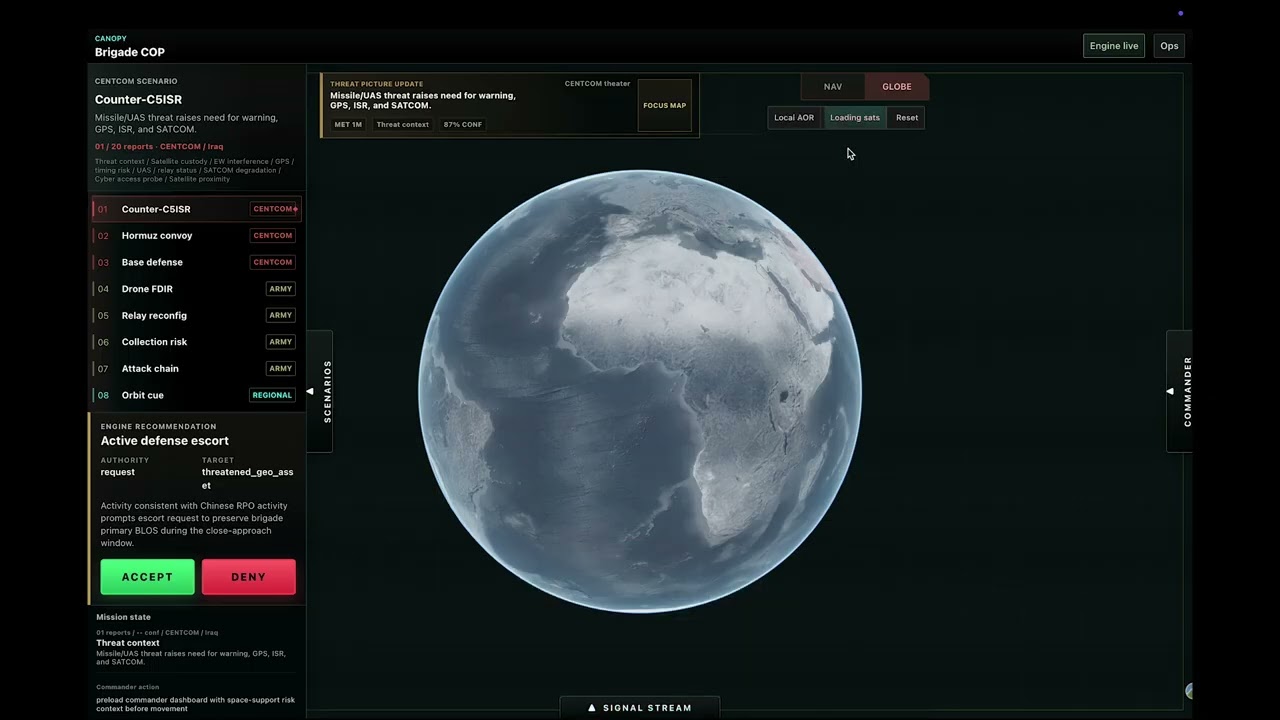
"We must defend U.S. space capabilities, and we must protect our forces from space-enabled attack." — CSO Gen. Saltzman, Space Warfighting, March 2025. Space…

CANOPY: Cross-domain Attribution and Orbital Protection sYstem project preview

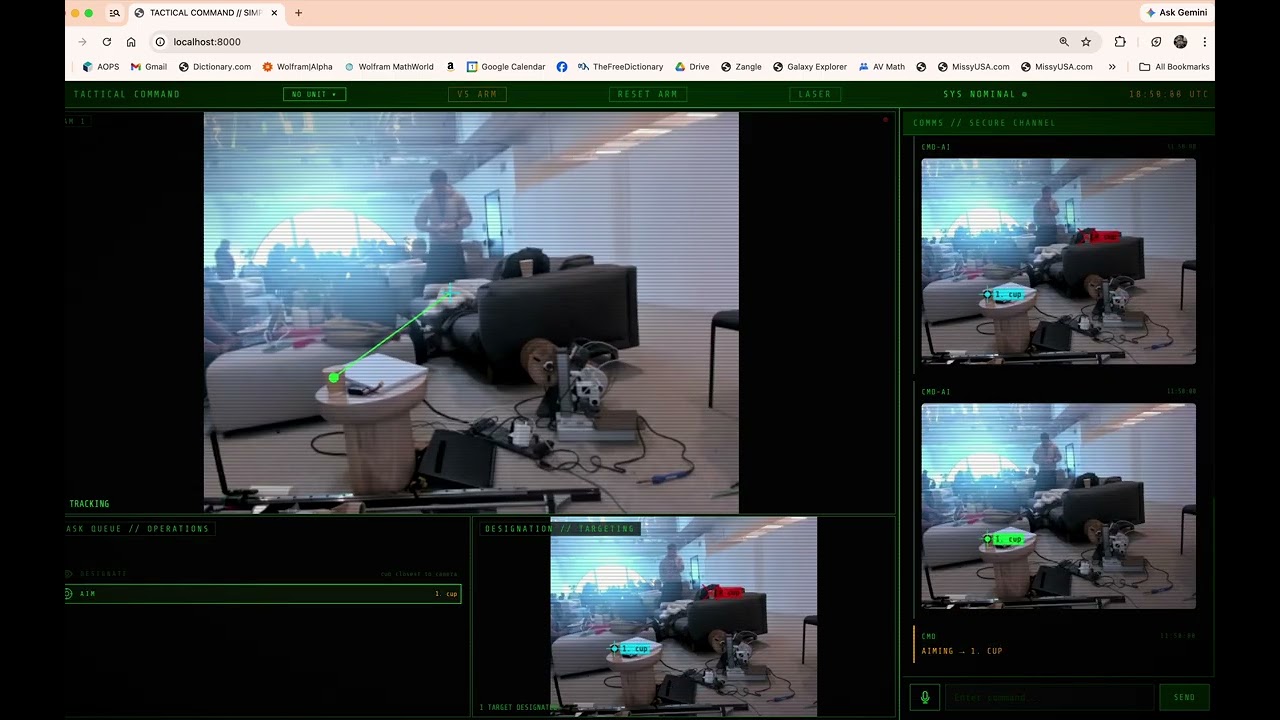
AWW. Aim with Words. The first targeting system that takes orders in English. You tell it 'fire at the electronics, ignore the laptop' it shows you its…

AWW (Aim With Words) project preview

We embed TAK into a phone so it survives a factory reset and we can get PLI and sensor data off.

TAK Phone project preview

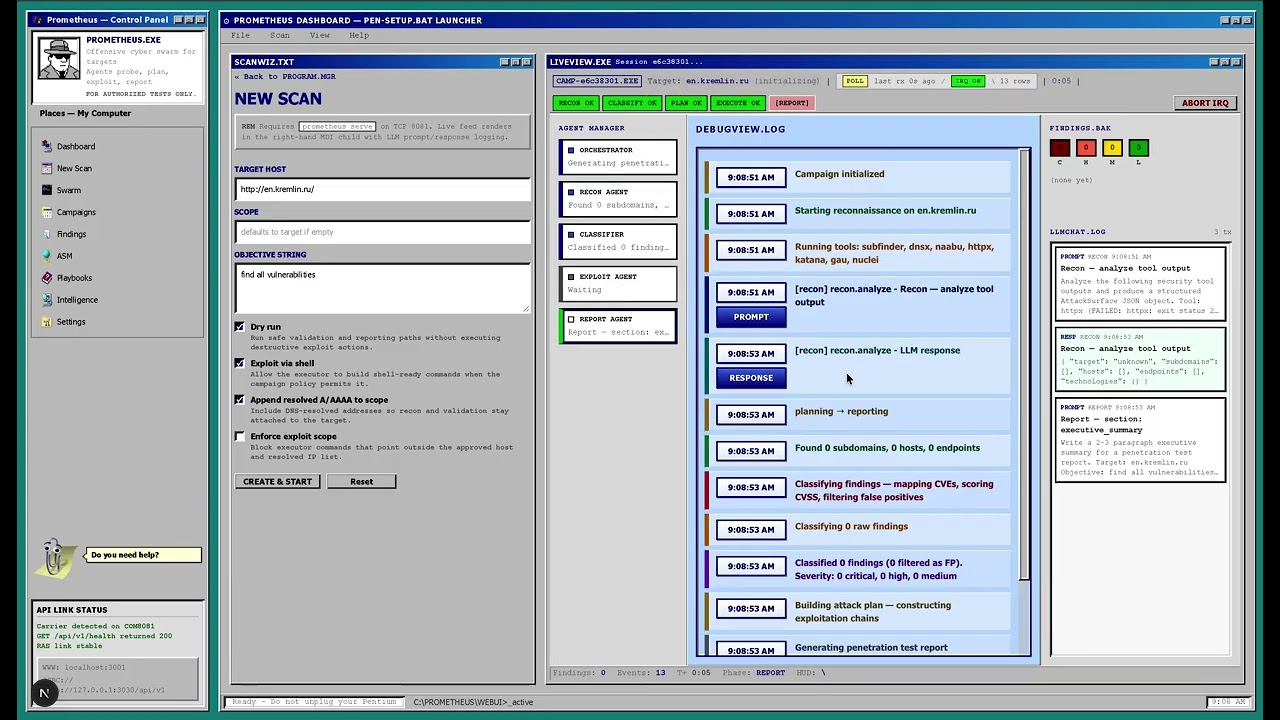
Prometheus (Icarus) is an offensive AI swarm for authorized security testing. It runs a multiagent system on top of LLMs and standard recon tools like…

Icarus project preview

24/7 Maritime Situational Awareness Solution with All-in-one Unmanned System

The Covenant project preview